Mineral Processing Plant Optimization: A Streamlined Workflow for Operational Excellence
Published: 06/04/2026 Updated: 10/05/2026
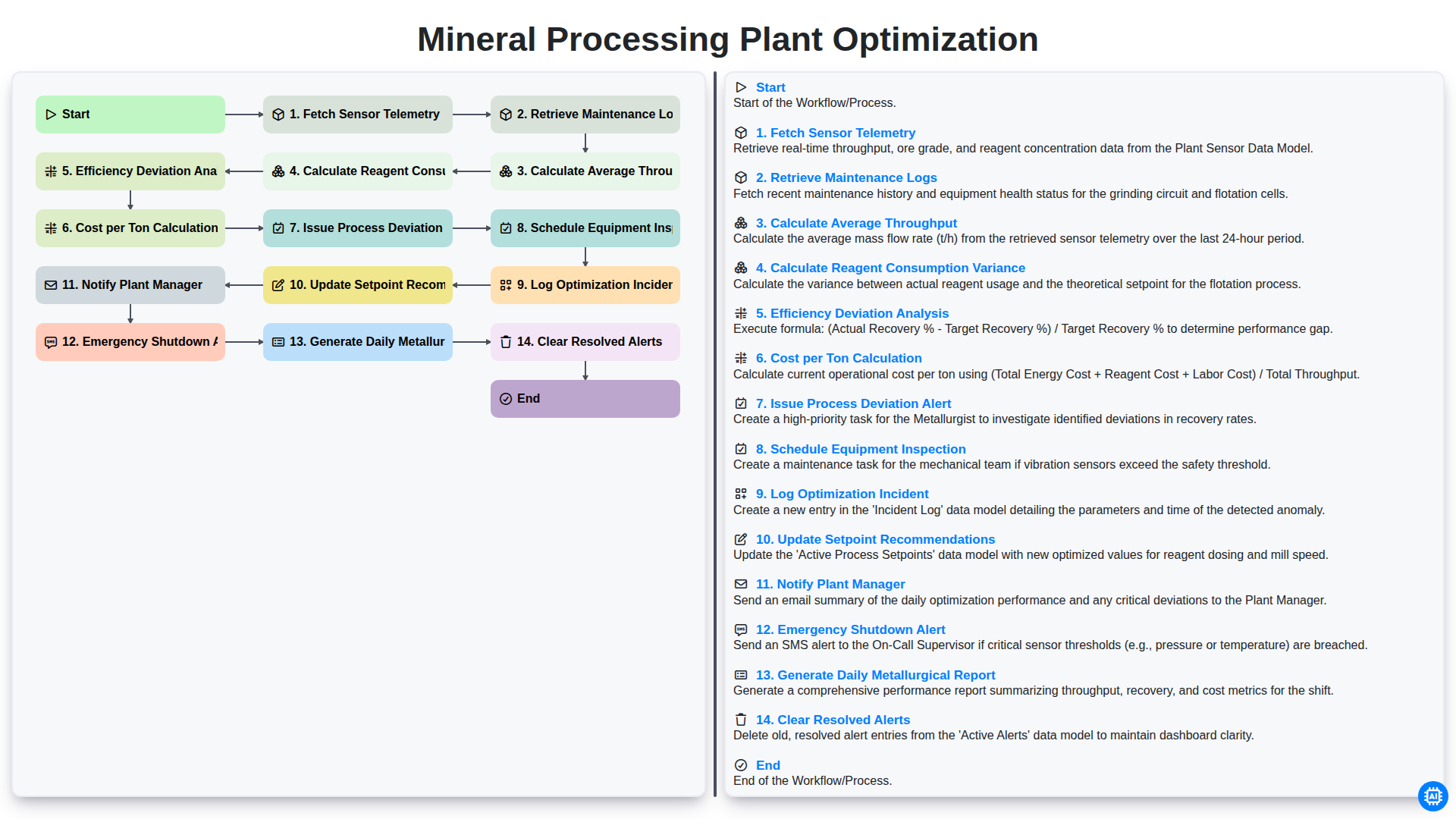
Table of Contents
- Introduction: The Imperative for Real-Time Optimization
- Step 1: Data Acquisition and Foundation Building
- Step 2: Evaluating Operational Performance Metrics
- Step 3: Deep-Dive Analytics and Deviation Detection
- Step 4: Economic Impact and Cost Analysis
- Step 5: Automated Alerting and Critical Intervention
- Step 6: Maintenance Orchestration and Preventive Action
- Step 7: Closing the Loop: Reporting and Continuous Improvement
- Conclusion: Driving Sustained Metallurgical Efficiency
- Resources & Links
TLDR: This guide introduces an automated operational workflow designed to enhance mineral processing efficiency by integrating real-time sensor telemetry with maintenance data. Learn how to automate critical processes-from calculating throughput and reagent variance to triggering intelligent alerts and generating metallurgical reports-to minimize downtime and optimize cost-per-ton performance.
Introduction: The Imperative for Real-Time Optimization
In the modern era of mining, the margin for error in mineral processing has shrunk to nearly zero. As ore grades decline and operational costs rise, the traditional approach of periodic manual sampling and retrospective analysis is no longer sufficient to maintain profitability. To remain competitive, mineral processing plants must transition from reactive management to a proactive, data-driven operational model.
The complexity of modern processing circuits-comprising crushing, grinding, flotation, and leaching stages-requires a seamless integration of real-time data and actionable intelligence. Optimization is no longer just about maximizing recovery rates; it is about the precise orchestration of energy consumption, reagent usage, and equipment availability. When a single deviation in reagent dosage or an unexpected drop in throughput occurs, the ripple effects can impact the entire plant's metallurgical balance and bottom line.
Real-time optimization provides the ability to bridge the gap between raw sensor data and strategic decision-making. By implementing an automated, continuous workflow, operators can move beyond simply monitoring what has happened to understanding what is happening and, most importantly, predicting what will happen. This level of oversight allows for the immediate identification of inefficiencies, ensuring that the plant operates at its theoretical maximum efficiency while minimizing the cost per ton of processed material.
Step 1: Data Acquisition and Foundation Building
The foundation of any successful optimization strategy lies in the integrity and comprehensiveness of the underlying data. Before complex analytical models can be deployed or predictive algorithms executed, the system must first establish a real-time digital snapshot of the plant's current operational state. This initial phase focuses on two critical streams of information: real-time operational dynamics and historical maintenance context.
First, the process begins with the Fetching of Sensor Telemetry. This involves the continuous ingestion of high-frequency data from the plant's SCADA and PLC systems, capturing vital metrics such as conveyor speeds, mill power draw, particle size distributions, and slurry densities. This stream provides the heartbeat of the facility, offering the granular, real-time visibility necessary to detect immediate fluctuations in the processing circuit.
However, real-time data alone lacks the necessary context for deep-dive optimization. To bridge this gap, the workflow simultaneously executes the Retrieval of Maintenance Logs. By integrating historical maintenance records, the system can differentiate between a performance dip caused by a process anomaly and a predictable decline caused by equipment wear or scheduled component degradation. By layering historical maintenance insights over live sensor telemetry, we create a robust, multidimensional dataset that serves as the bedrock for all subsequent analytical computations and decision-making processes.
Step 2: Evaluating Operational Performance Metrics
Once the raw data has been aggregated through sensor telemetry and maintenance logs, the core of the optimization engine begins its analytical deep dive. This stage moves beyond simple data collection and enters the realm of critical performance evaluation. The system performs a multi-dimensional assessment by first calculating the Average Throughput to establish a baseline for current production capacity. Simultaneously, it evaluates the Reagent Consumption Variance, identifying any discrepancies between actual chemical usage and the theoretical requirements for the current ore grade.
To pinpoint exactly where the process is underperforming, the system executes an Efficiency Deviation Analysis, comparing real-time operational metrics against the established Golden Run parameters. This mathematical scrutiny allows the system to perform a precise Cost per Ton Calculation, providing an immediate financial context to the physical performance of the plant. By integrating these metrics, the workflow transforms fragmented data points into actionable intelligence, identifying the exact moment when operational drift begins to impact the plant's profitability.
Step 3: Deep-Dive Analytics and Deviation Detection
Once the foundational data from sensors and maintenance logs are aggregated, the system moves into the core analytical phase. This stage is where raw data is transformed into actionable intelligence through complex computational processes.
The workflow begins by calculating the Average Throughput and measuring the Reagent Consumption Variance to establish a baseline of current operational performance. By comparing these real-time metrics against historical benchmarks, the engine performs an Efficiency Deviation Analysis. This allows the system to pinpoint exactly where the process is drifting from the golden run parameters.
Crucially, this deep-dive includes a Cost per Ton Calculation, ensuring that every efficiency metric is tied directly to the plant's economic bottom line. This multidimensional analysis ensures that the system isn't just looking at mechanical performance, but is actively identifying the precise moments where operational drift begins to erode profitability.
Step 4: Economic Impact and Cost Analysis
Once the technical deviations are identified through efficiency analysis, the workflow shifts focus toward the bottom line by executing a Cost per Ton Calculation. This critical step bridges the gap between operational performance and financial health. By integrating real-time throughput data with current reagent consumption costs and energy expenditures, the system provides an instantaneous view of the plant's unit cost. This enables management to see exactly how much a 1% drop in recovery or a spike in reagent variance translates into actual monetary loss, transforming abstract technical metrics into actionable economic insights.
Step 5: Automated Alerting and Critical Intervention
In a high-stakes environment like a mineral processing plant, data analysis is only as valuable as the speed of the subsequent action. Once the system completes the Efficiency Deviation Analysis and identifies a significant gap between actual performance and target benchmarks, the workflow transitions from passive monitoring to active intervention.
The system is programmed to Issue Process Deviation Alerts immediately when parameters fall outside of predefined control limits. This is not limited to minor fluctuations; in the event of critical sensor anomalies or catastrophic hardware failure, the workflow triggers an Emergency Shutdown Alert, ensuring that human operators can act before equipment damage or safety hazards occur.
To bridge the gap between detection and resolution, the workflow automates the communication chain by automatically-Notify[ing] the Plant Manager and relevant technical leads. Simultaneously, it initiates the operational recovery phase by instructing the system to Schedule Equipment Inspection for the suspected faulty components. Once the corrective actions are taken and the metrics return to baseline, the system provides a clean slate by helping to Clear Resolved Alerts, ensuring the control room dashboard remains focused on active threats rather than historical noise.
Step 6: Maintenance Orchestration and Preventive Action
Once the system identifies critical deviations through efficiency analysis and cost-per-ton fluctuations, the workflow shifts from pure data processing to active operational management. This stage is where the digital insights translate into physical interventions.
The process begins by triggering an Issue Process Deviation Alert if metrics fall outside of defined tolerances, immediately followed by the automated execution of a Schedule Equipment Inspection command. By integrating real-time telemetry with historical Retrieve Maintenance Logs, the system can intelligently determine whether an anomaly requires a routine check or an immediate intervention.
In high-risk scenarios, the workflow is programmed to trigger an Emergency Shutdown Alert to prevent catastrophic equipment failure or safety breaches. For less critical but persistent issues, the system will Log Optimization Incident and autonomously Update Setpoint Recommendations, providing the control room with actionable adjustments to bring the plant back to its optimal baseline.
The cycle concludes with closing the loop: the system will Notify Plant Manager of all significant actions taken and, once the telemetry confirms that parameters have returned to the steady state, it will Clear Resolved Alerts, ensuring that the operational dashboard remains focused only on active, high-priority tasks.
Step 7: Closing the Loop: Reporting and Continuous Improvement
Once the immediate operational anomalies are addressed and the process stabilizes, the final phase of the workflow shifts from reactive troubleshooting to proactive intelligence. This stage is critical for transforming raw operational data into actionable long-term strategy.
The process begins with the Generation of the Daily Metallurgical Report, which consolidates all the day's performance metrics-from throughput averages to reagent variance-into a single source of truth for the engineering team. As the system stabilizes, the workflow automates the administrative overhead by Clearing Resolved Alerts, ensuring that the control room dashboard remains focused only on active threats.
However, the true value of an optimized plant lies in the transition from fixing to learning. By maintaining a detailed Log of Optimization Incidents, the system creates a historical repository of what worked and what failed. This data allows for the continuous refinement of Update Setpoint Recommendations, turning every past deviation into a blueprint for future stability. Through this closed-loop approach, the plant moves beyond simple monitoring and enters a state of continuous, automated improvement.
Conclusion: Driving Sustained Metallurgical Efficiency
Implementing an automated workflow for mineral processing plant optimization is more than just a technological upgrade; it is a fundamental shift toward proactive, data-driven decision-making. By integrating real-time sensor telemetry with historical maintenance logs and reagent consumption data, operators can move away from reactive firefighting and toward a state of continuous improvement. This closed-loop system ensures that every efficiency deviation is not only identified and analyzed but met with immediate, actionable intelligence-from automated setpoint recommendations to precision-scheduled equipment inspections.
Ultimately, the goal of this workflow is to bridge the gap between complex metallurgical data and operational execution. As the system continuously calculates cost per ton and automates daily reporting, it empowers plant managers with the clarity needed to maintain peak throughput while minimizing reagent waste. By turning raw data into a streamlined sequence of alerts and optimizations, mining operations can achieve sustained metallurgical efficiency, reduced downtime, and a more resilient bottom line in an increasingly competitive industry.
Resources & Links
- AusIMM (Australasian Institute of Mining and Metallurgy): Professional resources and technical papers regarding best practices in mineral processing and metallurgical optimization.
- ScienceDirect - Mineral Processing Research: Access to peer-reviewed journals and academic studies on reagent consumption variance and automated control systems in mining.
- International Society of Automation (ISA): Industry standards and technical resources for sensor telemetry, automation workflows, and real-time data acquisition.
- Mining.com: Latest industry news and case studies on digital transformation and smart mining technologies in mineral processing plants.
- IBM Watson IoT Solutions: Information on implementing AI-driven predictive maintenance and real-time anomaly detection in industrial environments.
- Siemens Digital Industries: Advanced automation tools and software for calculating throughput efficiency and managing plant-wide process deviations.
Frequently Asked Questions
What is the primary goal of mineral processing plant optimization?
The primary goal is to achieve operational excellence by maximizing throughput, increasing recovery rates, and reducing operational costs through a more efficient and streamlined workflow.
What are the key components of a streamlined workflow in a mineral processing plant?
A streamlined workflow involves integrating real-time data monitoring, predictive maintenance, automated process control, and optimized reagent dosing to ensure consistent and efficient production cycles.
How does data-driven decision-making impact plant optimization?
Data-driven decision-making allows operators to identify bottlenecks, predict equipment failures before they occur, and make precise adjustments to crushing, grinding, and flotation parameters, leading to reduced downtime.
What role does predictive maintenance play in achieving operational excellence?
Predictive maintenance uses sensor data and analytics to anticipate wear and tear on critical machinery, allowing for planned repairs that prevent unexpected breakdowns and extend the lifespan of the equipment.
How can optimization contribute to environmental sustainability in mineral processing?
Optimization reduces energy consumption, minimizes water usage, and optimizes chemical reagent usage, all of which contribute to a smaller environmental footprint and more sustainable mining operations.
Comments
There are no comments yet. Be the first to add one!
Mining Management Solution Demo
Maximize efficiency & safety in mining operations! ChecklistGuro streamlines task management, equipment tracking, and compliance reporting. Optimize workflows, reduce risk, & boost productivity. Manage it all with our Work OS.
Related Articles
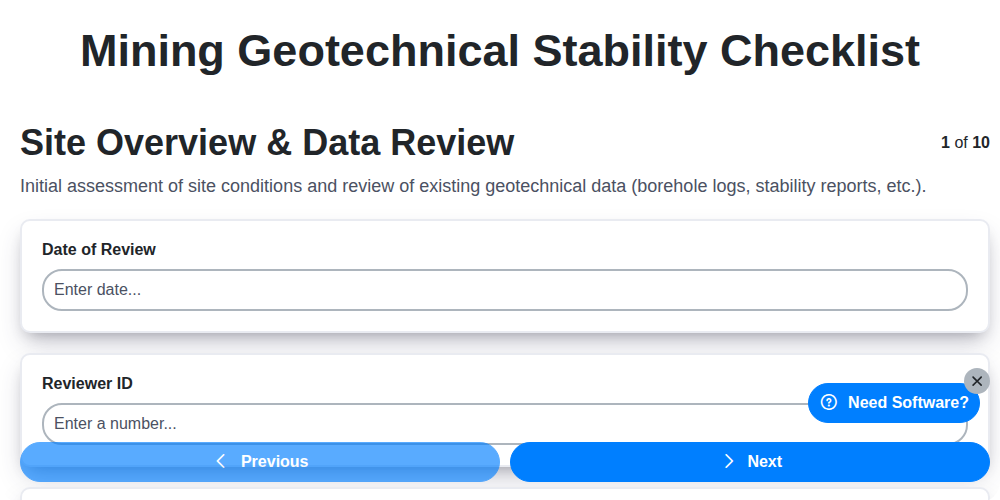
Ensuring Mine Safety: Your Geotechnical Stability Checklist Guide
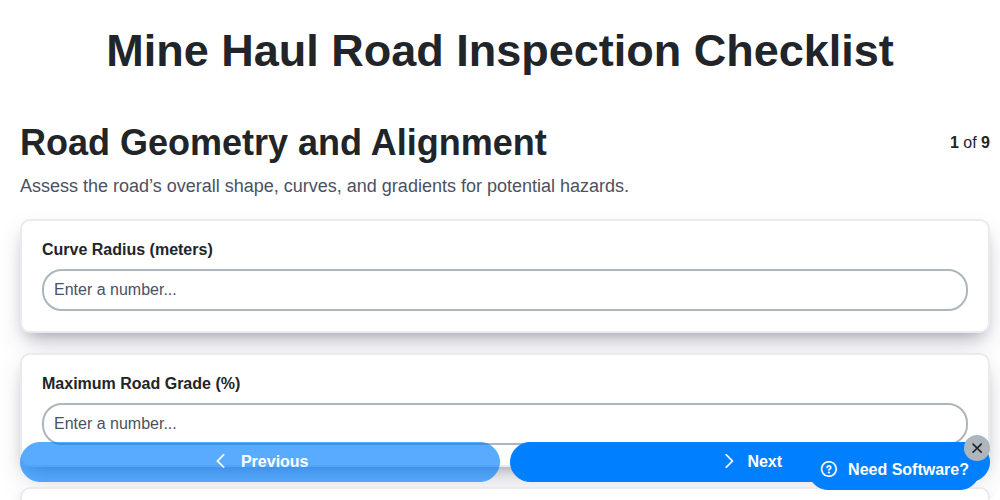
Ensuring Safety & Efficiency: Your Mine Haul Road Inspection Checklist Guide
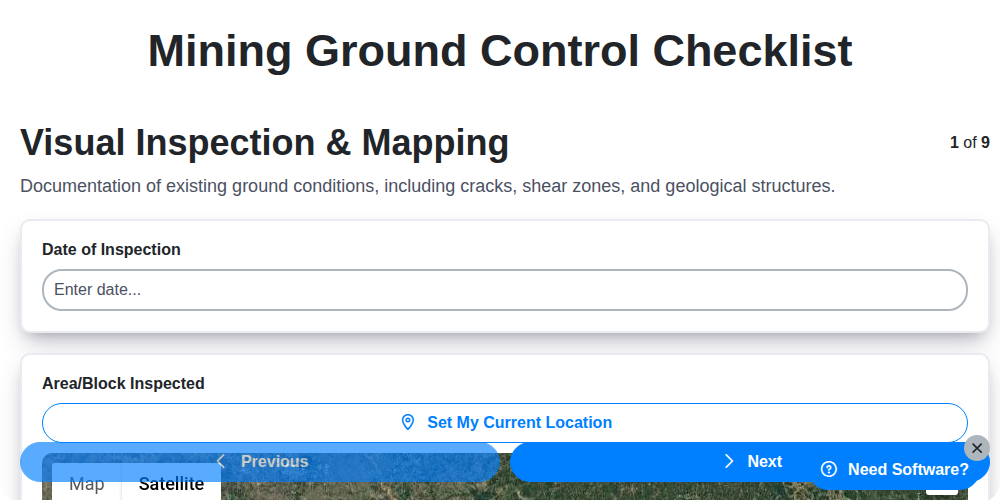
Mastering Mine Safety: Your Guide to the Ground Control Checklist
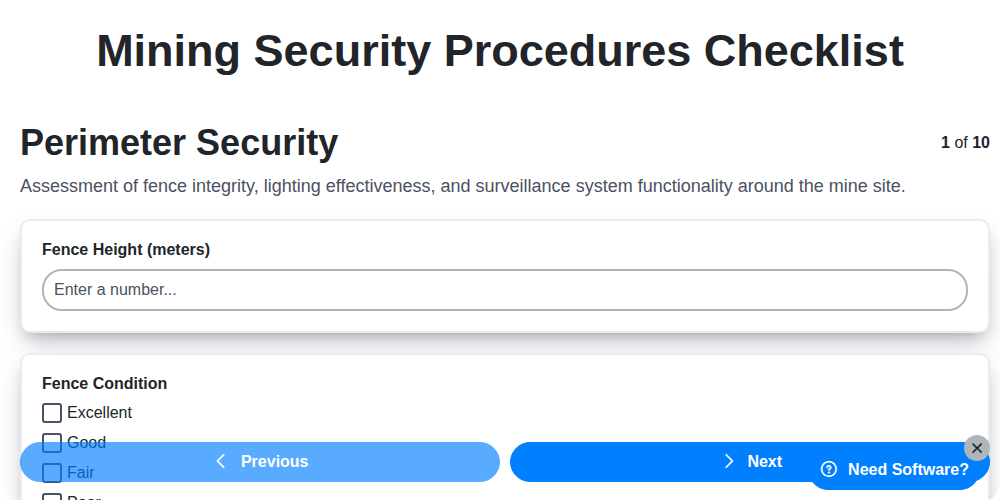
Mining Security Procedures Checklist: A Comprehensive Template for Safety
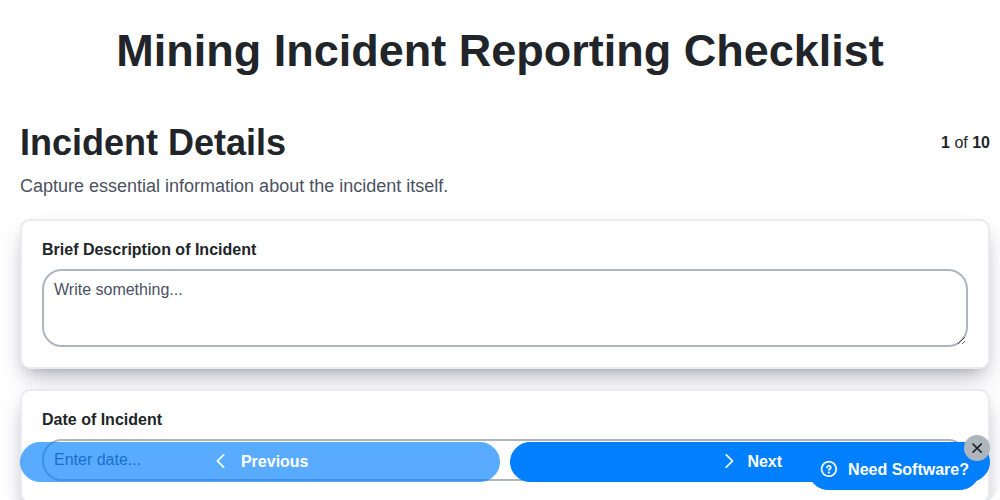
Ensuring Safety: Your Mining Incident Reporting Checklist Guide
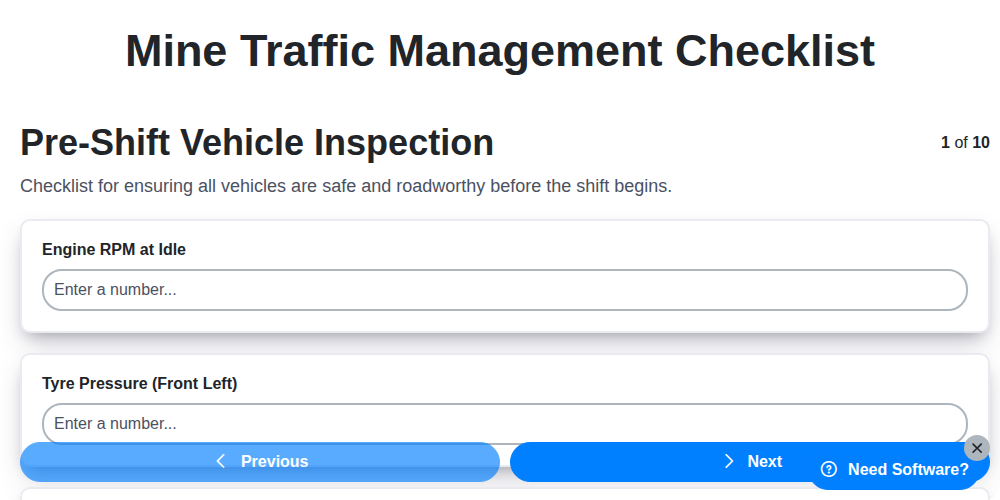
Ensuring Safety Underground: Your Mine Traffic Management Checklist Guide
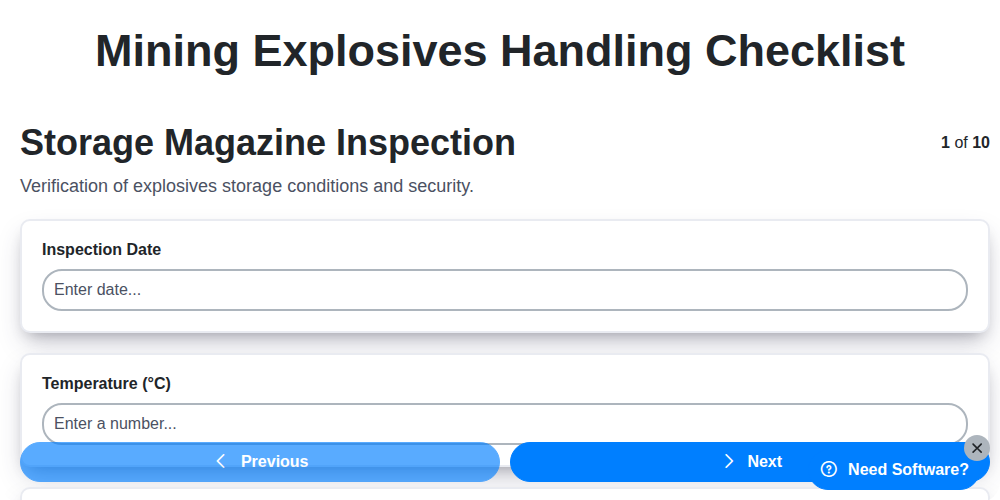
Ensuring Safety: Your Mining Explosives Handling Checklist Template
Ensuring Safety & Compliance: Your Mining Noise Monitoring Checklist Guide
Need help with
Checklists?
Have a question? We're here to help. Please submit your inquiry, and we'll respond promptly.