Mining BOM Equipment Checklist: A Comprehensive Guide
Published: 10.12.2025 22:00 Updated: 14.12.2025 07:56
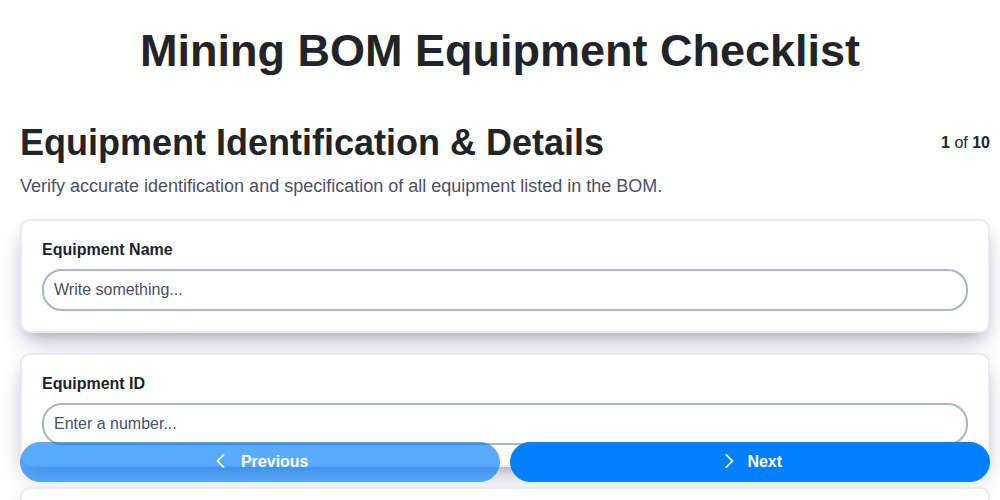
Table of Contents
- Introduction: The Importance of a Mining BOM Equipment Checklist
- What is a BOM (Bill of Materials) in Mining Equipment?
- Equipment Identification & Details: Laying the Foundation
- Supplier Information: Ensuring Reliability and Support
- Material Specifications: Quality and Performance
- Quantity & Usage: Optimizing Resource Allocation
- Regulatory Compliance: Navigating Legal Requirements
- Transportation & Handling: Minimizing Risk and Damage
- Installation & Commissioning: A Smooth Startup
- Maintenance & Spare Parts: Long-Term Operational Success
- Documentation & Approvals: Traceability and Accountability
- Cost & Budget Alignment: Staying Within Financial Limits
- Best Practices for BOM Management in Mining
- Conclusion: Ensuring Efficiency and Safety with a Robust Checklist
- Resources & Links
TLDR: Buying mining equipment? This checklist ensures you cover everything - from identifying the right gear and supplier details to regulatory compliance, installation, maintenance, and budget. It's your all-in-one guide to avoid costly mistakes and keep your mining operation running smoothly!
Introduction: The Importance of a Mining BOM Equipment Checklist
Mining operations are complex and depend heavily on specialized equipment to extract valuable resources. Managing this equipment effectively is crucial for safety, efficiency, and profitability. A Bill of Materials (BOM) Equipment Checklist is your roadmap to ensuring everything related to your mining machinery - from initial acquisition to ongoing maintenance - is meticulously tracked and compliant. This isn't just about having a list; it's about establishing a systematic approach that minimizes risks, optimizes performance, and protects your investment. Neglecting a comprehensive checklist can lead to costly delays, equipment failures, safety hazards, and non-compliance issues. This post will explore the key components of a robust mining BOM equipment checklist, offering insights into why each element is vital for successful operations.
What is a BOM (Bill of Materials) in Mining Equipment?
A Bill of Materials (BOM) for mining equipment is essentially a comprehensive list of everything needed to build, operate, and maintain a specific piece of machinery - think excavators, crushers, haul trucks, or even smaller tools. It's far more than just a parts list; it's a structured document detailing every component, material, assembly, and sub-assembly required.
Think of it as the recipe for your mining equipment. It outlines not only what is needed (a specific brand of hydraulic hose, for example) but also how much is needed, its specifications, where it came from (supplier information), and even the cost implications. A well-maintained BOM is critical for accurate inventory management, procurement efficiency, cost control, and ensuring the correct equipment is available when and where it's needed for safe and effective mining operations. Without it, you risk delays, increased costs, and potential equipment failures.
Equipment Identification & Details: Laying the Foundation
Before any mining operation can begin, meticulous record-keeping of all BOM (Bill of Materials) equipment is paramount. This section of your checklist focuses on capturing the fundamental details that will inform every subsequent step. Don't underestimate the importance of this initial data; inaccuracies here can snowball into larger issues down the line.
Your checklist should include, at minimum:
- Unique Equipment Identifier: Assign a unique alphanumeric code for each piece of equipment. This facilitates tracking and prevents confusion, especially in large operations.
- Equipment Type & Model: Clearly define the equipment's purpose (e.g., excavator, conveyor belt, crusher) and its specific model number.
- Manufacturer Details: Record the manufacturer's name, location, and contact information.
- Serial Number: Note the equipment's serial number - a critical factor for warranty claims and parts identification.
- Location: Specify the current location of the equipment on-site. This is crucial for asset management and relocation planning.
- Purchase Date & Original Cost: Document the original purchase date and associated cost. This information is essential for depreciation calculations and budgetary analysis.
- Photographic Documentation: Include photographs of the equipment from multiple angles. Visual records are invaluable for identification and damage assessment.
This detailed identification lays the foundation for accurate tracking, efficient maintenance, and reliable performance throughout the equipment's lifecycle.
Supplier Information: Ensuring Reliability and Support
Choosing the right supplier is just as critical as selecting the BOM equipment itself. A reliable supplier provides more than just machinery; they offer ongoing support, technical expertise, and a partnership that extends beyond the initial purchase. This section of your BOM equipment checklist should delve deep into supplier credentials.
Don't just accept a supplier's claims at face value. Verify their reputation through references, online reviews, and industry certifications. Key information to gather includes:
- Company History & Financial Stability: How long have they been in business? A stable company is more likely to be around to honor warranties and provide ongoing service.
- Technical Support Availability: What are their support hours? What channels are available (phone, email, online portal)? What is their average response time?
- Warranty Details: Understand the scope of the warranty, its duration, and the process for making a claim.
- Training Programs: Do they offer training for your team to properly operate and maintain the equipment?
- Parts Availability & Lead Times: How quickly can they deliver spare parts? What is their inventory management process?
- Contact Person/Account Manager: Having a dedicated contact simplifies communication and facilitates problem resolution.
- Supplier Risk Assessment: Evaluate potential risks associated with relying on a single supplier and consider diversification strategies.
Thoroughly documenting this supplier information within your BOM provides a clear record of due diligence and establishes a framework for ongoing supplier relationship management.
Material Specifications: Quality and Performance
A Bill of Materials (BOM) for mining equipment isn't just a list; it's a guarantee of quality and predictable performance. The Material Specifications section is absolutely critical, and cutting corners here can lead to catastrophic failures and costly downtime. This isn't about simply listing materials; it's about defining exactly what's needed to ensure the equipment withstands the brutal conditions of a mining environment.
Here's what a robust Material Specifications section should cover:
- Detailed Material Grades: Don't just say steel. Specify the exact steel grade (e.g., ASTM A572 Grade 50, or equivalent), detailing its tensile strength, yield strength, elongation, and other critical properties. Similar specificity is needed for all materials, from rubber linings to hydraulic fluids.
- Corrosion Resistance: Mining environments are often highly corrosive. The BOM should explicitly state requirements for corrosion resistance, referencing industry standards or outlining specific coating specifications. Consider factors like salinity, exposure to acids, and abrasion.
- Wear Resistance: Mining equipment experiences constant abrasion. Specify materials with documented wear resistance, including hardness, impact strength, and fatigue life.
- Environmental Considerations: Highlight any requirements for materials that can withstand extreme temperatures, UV exposure, or other environmental factors specific to the mine location.
- Supplier Certificates: Mandate that suppliers provide material certificates verifying compliance with the specified grades and standards. This provides a vital layer of traceability and accountability.
- Testing Requirements: Specify any required testing (e.g., hydrostatic testing, non-destructive testing) to ensure materials meet performance criteria before installation.
By rigorously defining material specifications, you're building equipment that's not just functional, but resilient and reliable - minimizing risks and maximizing operational efficiency.
Quantity & Usage: Optimizing Resource Allocation
Accurately tracking quantity and usage of BOM equipment isn't just about knowing how much you have - it's about maximizing efficiency and minimizing waste. This section of your checklist is crucial for aligning your operations with actual needs and preventing overspending.
Beyond the Numbers: Don't just record the initial quantity received. This section demands a deeper dive:
- Usage Tracking: Implement a system to monitor equipment usage over time. This could be as simple as a logbook or a more sophisticated software solution. Track frequency of use, duration of use, and any factors affecting usage (e.g., seasonal demands, project phases).
- Project-Specific Allocation: Clearly assign equipment to specific projects or tasks. This provides accountability and helps predict future requirements.
- Utilization Rate Analysis: Regularly calculate utilization rates for each piece of equipment. Low utilization rates may indicate a need to re-evaluate purchases or consider renting equipment instead.
- Demand Forecasting: Use historical usage data to forecast future demand. This helps in planning purchases and avoiding shortages.
- Waste Minimization: Identify instances of equipment over-specification or under-utilization, which can lead to wasted resources and increased costs. Consider alternatives or downsizing where possible.
- Return/Surplus Management: Establish a clear process for handling surplus or returned equipment. Can it be reused, repurposed, or sold?
By meticulously documenting quantity and usage and actively analyzing the data, you'll gain valuable insights into resource allocation, ultimately leading to significant cost savings and improved operational efficiency.
Regulatory Compliance: Navigating Legal Requirements
Mining operations face a complex web of regulations at local, regional, and national levels. Ensuring your BOM (Bill of Materials) equipment adheres to these is not just about avoiding fines; it's about ensuring worker safety, environmental protection, and operational integrity. This section of your BOM checklist is crucial.
What to Include:
- Permitting & Licensing: Note any permits or licenses required for the equipment's operation. Detail the responsible agency and permit numbers directly within the BOM.
- Safety Standards: Document compliance with relevant safety standards like OSHA (in the US), EN standards (in Europe), or equivalent local requirements. Include specific clauses and version numbers.
- Environmental Regulations: Outline compliance with environmental regulations relating to emissions, noise levels, and waste disposal associated with the equipment. Link to relevant environmental impact assessments (EIAs) if applicable.
- Industry-Specific Standards: Identify and document compliance with industry-specific standards, such as those relating to explosives handling, hazardous materials, or tailings management.
- Regular Updates: Regulations change. Implement a system to regularly review and update the BOM to reflect any changes in legal requirements. Assign responsibility for this review and schedule periodic updates.
- Record Keeping: Maintain meticulous records demonstrating compliance, including inspection reports, training certificates, and permit renewals. These records should be readily accessible and tied directly to the relevant equipment entries in the BOM.
Failing to adequately address regulatory compliance within your BOM can lead to significant operational disruptions and financial penalties. Proactive planning and thorough documentation are key.
Transportation & Handling: Minimizing Risk and Damage
Moving mining equipment - from massive excavators to vital conveyors - is a logistical challenge fraught with potential for costly damage and delays. A robust transportation and handling plan, integrated into your BOM equipment checklist, is paramount. This isn't just about getting the equipment from point A to point B; it's about doing so safely and efficiently.
Here's what your checklist should cover:
- Route Assessment: Thoroughly evaluate the proposed transportation route. Consider bridge clearances, road conditions (weight limits, surface quality), and potential obstacles. Are permits required?
- Equipment Preparation: Ensure equipment is properly secured for transport. This includes draining fluids, removing protruding parts, and employing appropriate bracing and tie-down methods. Detailed procedures for securing specific equipment models should be documented.
- Specialized Transport: Determine if specialized transport is needed (e.g., heavy-haul trucks, barges, cranes). Verify the carrier's experience with similar equipment and their compliance with relevant safety regulations.
- Loading & Unloading Procedures: Clearly defined loading and unloading protocols are essential. This includes using correctly rated lifting equipment, employing trained personnel, and using appropriate rigging. Consider environmental factors like weather.
- Damage Inspection: Implement a damage inspection process before and after transport. Document any existing damage meticulously to avoid disputes later. Post-transport inspections are crucial to identify any unseen damage that occurred during transit. Establish a clear reporting system for any observed issues.
- Environmental Considerations: Account for weather conditions (wind, rain, snow) which can significantly impact stability and increase risks.
A proactive approach to transportation and handling, guided by a comprehensive checklist, will safeguard your investment and ensure a smooth equipment deployment.
Installation & Commissioning: A Smooth Startup
Bringing new BOM (Bill of Materials) equipment into operation is more than just plugging it in. A meticulous installation and commissioning process is vital to ensure optimal performance, safety, and longevity. This phase builds directly upon the previous steps, especially material specifications and supplier information - ensuring compatibility and adherence to design.
Here's a breakdown of key considerations:
- Pre-Installation Site Assessment: Verify the site is prepared according to the equipment's requirements - adequate space, power supply, ventilation, and ground stability are critical. Review the supplier's site preparation guidelines carefully.
- Equipment Unpacking & Inspection: Carefully unpack the equipment, documenting any visible damage immediately. Compare the received items against the BOM to confirm completeness.
- Mechanical Installation: Follow the supplier's detailed installation instructions. Precision is paramount, particularly for alignment and securing the equipment. Use calibrated tools and qualified personnel.
- Electrical Connections: Only qualified electricians should handle electrical connections. Double-check all wiring against diagrams and adhere to local electrical codes. Proper grounding is essential for safety.
- Initial Startup & Testing: Conduct a series of tests as outlined by the supplier. This includes verifying proper function, measuring key parameters, and checking for leaks or unusual noises. Record all test results.
- Calibration & Fine-Tuning: Many pieces of BOM equipment require calibration to ensure accuracy and efficiency. Follow supplier recommendations and maintain calibration records.
- Operator Training: Provide comprehensive training to operators on the equipment's operation, safety procedures, and basic troubleshooting.
- Performance Validation: Once operational, monitor performance against expected parameters. Address any discrepancies immediately.
A rushed installation can lead to costly downtime and reduced equipment lifespan. Investing the time and resources into a well-executed installation and commissioning phase is a foundational step towards a successful and profitable operation.
Maintenance & Spare Parts: Long-Term Operational Success
Mining equipment faces brutal conditions. Consistent, proactive maintenance and readily available spare parts are non-negotiable for maximizing uptime, minimizing costly breakdowns, and extending the lifespan of your investment. This section of the BOM equipment checklist focuses specifically on ensuring you've considered these crucial aspects.
Beyond Reactive Repairs: Building a Preventative Strategy
Simply having spare parts isn't enough. You need a comprehensive maintenance plan. This checklist item should prompt you to document:
- Recommended Maintenance Schedules: Refer to the manufacturer's guidelines for preventative maintenance intervals - daily checks, weekly inspections, annual services, etc. Note these down explicitly.
- Critical Spare Parts Inventory: Identify components most prone to failure or those whose failure would cripple operations. Develop a minimum stock level for these critical spares. Don't just guess; analyze historical failure data where possible.
- Supplier Agreements for Expedited Delivery: Establish relationships with suppliers who can guarantee quick delivery of spare parts, especially during emergency situations. Secure favorable pricing for repeat orders.
- On-Site Expertise: Assess if you have the skilled personnel to perform routine maintenance and repairs, or if external contractor support is required. Factor in training needs for your team.
- Condition Monitoring & Predictive Maintenance: Consider incorporating technology like vibration analysis, oil analysis, or thermal imaging to predict failures before they occur. This proactive approach drastically reduces downtime.
Documentation is Key
Maintain meticulous records of all maintenance activities, including dates, work performed, parts used, and personnel involved. This data is invaluable for:
- Tracking Maintenance Costs: Identifying trends and optimizing maintenance strategies.
- Predicting Future Needs: Refining spare parts inventory and maintenance schedules.
- Warranty Compliance: Demonstrating adherence to manufacturer requirements.
Ignoring this checklist item puts your operation at significant risk. A robust maintenance plan and readily available spare parts aren't just about fixing breakdowns; they are fundamental to sustained profitability and safety.
Documentation & Approvals: Traceability and Accountability
A robust BOM equipment checklist isn't complete without meticulous documentation and approval processes. This section moves beyond simply having the information; it's about ensuring its accuracy, accessibility, and auditability.
Here's why this is crucial:
- Traceability: Every step of the equipment's lifecycle-from initial order to decommissioning-needs to be traceable. This includes purchase orders, supplier certifications, inspection reports, modification records, and more. A centralized documentation system linked to your checklist streamlines this process.
- Accountability: Clearly defined approval workflows establish responsibility. Who approved the equipment selection? Who certified its compliance? Documenting these approvals creates a clear chain of accountability, vital for resolving issues and demonstrating due diligence.
- Regulatory Requirements: Many industries have strict regulatory mandates regarding equipment documentation and approvals. Maintaining detailed records demonstrates compliance and minimizes potential penalties.
- Future Reference & Problem Solving: Years down the line, you might need to troubleshoot a specific issue or understand the rationale behind a previous decision. Thorough documentation provides invaluable context.
- Change Management: Any modifications to the equipment or its BOM must be formally documented and approved. This prevents unauthorized changes and maintains accurate records.
Key Documentation Elements:
- Supplier Certificates of Conformity (CoC): Proof of quality and adherence to specifications.
- Inspection Reports: Documenting pre-delivery and on-site inspections.
- Approval Sign-offs: Formal approvals at each stage (e.g., selection, installation, commissioning).
- Modification Records: Tracking all changes to the equipment or its BOM.
- Warranty Information: Ensuring easy access to warranty details and contact information.
By prioritizing documentation and approvals, you transform your BOM equipment checklist from a procedural guide into a comprehensive audit trail, fostering trust, minimizing risk, and ensuring operational excellence.
Cost & Budget Alignment: Staying Within Financial Limits
Mining operations are notoriously cost-sensitive, and straying from the budget for equipment can have significant repercussions. This checklist section focuses on ensuring every aspect of your BOM (Bill of Materials) equipment acquisition aligns with allocated funds.
Beyond the Initial Purchase Price: Don't just look at the sticker price. Factor in all associated costs. This includes:
- Shipping & Logistics: Transportation isn't free. Secure quotes from multiple carriers and understand potential surcharges.
- Import Duties & Taxes: For international sourcing, factor in all applicable import duties, tariffs, and local taxes.
- Installation & Commissioning Fees: These can quickly escalate. Obtain detailed quotes from qualified technicians.
- Training Costs: Operator training on new equipment adds to the overall expense.
- Contingency Fund: A critical element. Unexpected delays, repairs, or modifications inevitably arise; a contingency fund (typically 5-10% of the total budget) provides a financial buffer.
Budget Variance Analysis: Regularly compare actual costs against the initial budget. Identify variances early and understand why they occurred. Was a supplier quote inaccurate? Did the scope of the project change? Document these variances and implement corrective actions to prevent recurrence.
Value Engineering: Explore opportunities for value engineering - finding ways to reduce costs without compromising quality or performance. This might involve sourcing alternative materials, simplifying designs, or negotiating better terms with suppliers.
Lifecycle Costing: Consider the total cost of ownership over the equipment's lifespan, not just the initial purchase price. This includes maintenance, repairs, energy consumption, and eventual decommissioning. A slightly more expensive, higher-efficiency option upfront may ultimately save money in the long run.
Key Question to Ask: Can we achieve the required functionality and performance within the allocated budget and maintain acceptable lifecycle costs?
Best Practices for BOM Management in Mining
The mining industry operates on tight margins and faces immense pressure to maximize efficiency and minimize downtime. A robust Bill of Materials (BOM) is the cornerstone of effective equipment management, but simply having a BOM isn't enough. A structured, detailed checklist - a BOM Equipment Checklist - is vital for ensuring accuracy, accountability, and ultimately, optimized operations. Let's dive into how this checklist can revolutionize your approach.
A well-defined BOM Equipment Checklist doesn't just list parts; it's a living document that guides every stage of an asset's lifecycle, from acquisition to disposal. Here's how a comprehensive checklist ensures best practices:
1. Equipment Identification & Details: Accurate records are the foundation. This section details manufacturer, model number, serial number, purchase date, and initial condition. This ensures traceability and avoids confusion when ordering parts or scheduling maintenance.
2. Supplier Information: Maintaining records of suppliers, contract details, and contact information is critical for timely parts procurement and warranty support.
3. Material Specifications: Detailed specifications for each component, including materials, dimensions, and performance requirements, are essential for identifying compatible replacements and avoiding costly errors.
4. Quantity & Usage: Tracking the quantity of materials used, as well as their usage patterns, helps predict future needs, optimize inventory levels, and identify potential inefficiencies.
5. Regulatory Compliance: Mining operations are heavily regulated. This section ensures all equipment adheres to relevant safety and environmental standards, including documentation of inspections and certifications.
6. Transportation & Handling: Specific handling instructions and transportation requirements for each piece of equipment are documented to prevent damage during transit and installation.
7. Installation & Commissioning: A clear checklist ensures proper installation procedures are followed and equipment is commissioned correctly, minimizing the risk of early failures.
8. Maintenance & Spare Parts: A proactive maintenance schedule and a readily accessible list of required spare parts significantly reduces downtime and extends equipment life. This section should include frequency of maintenance tasks and critical parts to keep on hand.
9. Documentation & Approvals: Maintaining records of all relevant documentation, including manuals, warranties, and approvals, ensures easy access to information and streamlines audits.
10. Cost & Budget Alignment: Linking equipment BOM data to budget lines provides accurate cost tracking and supports informed decision-making regarding upgrades or replacements.
By incorporating these key elements into a standardized BOM Equipment Checklist, mining operations can significantly improve equipment reliability, reduce operational costs, and enhance overall performance. This isn't just about creating a list - it's about building a framework for continuous improvement.
Conclusion: Ensuring Efficiency and Safety with a Robust Checklist
Ultimately, a comprehensive Mining BOM Equipment Checklist isn't just a formality; it's a vital cornerstone of operational success. By systematically addressing each element - from initial identification and supplier vetting to ongoing maintenance and budget alignment - you proactively minimize risks, maximize equipment lifespan, and ensure regulatory adherence. Implementing this checklist fosters a culture of accountability and transparency, leading to safer working conditions, reduced downtime, and a stronger bottom line. Don't view it as an extra burden; embrace it as a powerful tool for optimizing your mining operations and securing a sustainable future.
Resources & Links
- Mining.com: A comprehensive online resource for mining news, commodity prices, company profiles, and industry trends. Provides context for the importance of equipment management in the mining sector.
- Society for Mining, Metallurgy & Exploration (SME): A professional organization for mining engineers and related professionals. Offers publications, training courses, and conferences related to mining equipment and operations.
- International Organization for Standardization (ISO): Provides standards (like ISO 9001 for quality management) that are relevant to equipment management and documentation, crucial for regulatory compliance and ensuring quality.
- American Society for Quality (ASQ): Offers resources and training on quality management, relevant to maintaining equipment BOMs and ensuring supplier reliability. Helps align with ISO standards.
- National Institute of Standards and Technology (NIST): Provides resources and standards related to measurement and data management, important for accurate equipment identification and material specifications within a BOM.
- CMMI Institute: Provides frameworks (Capability Maturity Model Integration - CMMI) which helps in managing processes related to equipment lifecycle which includes BOM management and documentation.
- EHS Insight: Offers guidance and software solutions related to Environmental, Health, and Safety (EHS) compliance, a key aspect of mining operations and equipment handling.
- American Petroleum Institute (API): While focused on petroleum, API standards can be relevant to certain mining equipment and provide benchmarks for quality and safety.
- International Electrotechnical Commission (IEC): Sets standards for electrical equipment and systems, relevant to the electrical components of mining machinery.
- GS1: Provides global standards for product identification and traceability, helpful for equipment identification and maintaining accurate BOMs.
- SAP: A leading provider of ERP software; many mining companies use SAP systems to manage equipment, inventory, and BOMs. Provides a perspective on common software solutions.
- Oracle: Another major ERP software provider, similar to SAP, offering solutions for equipment and asset management within a mining context.
- PTC: Provides CAD/CAM/CAE software and PLM (Product Lifecycle Management) solutions, useful for detailed equipment design and BOM management.
- BOM Tool: A dedicated BOM management software which helps organize and manage Bills of Materials for various industries.
Frequently Asked Questions
What is a BOM (Bill of Materials) Equipment Checklist and why is it important?
A BOM Equipment Checklist is a detailed list outlining all the equipment, tools, and materials required for a specific mining operation or project, referenced back to the Bill of Materials. It's crucial for accurate budgeting, procurement, efficient project execution, minimizing delays, and ensuring safety by confirming availability of necessary equipment.
Who should use this checklist?
This checklist is valuable for mining engineers, project managers, procurement specialists, equipment managers, and any personnel involved in planning, purchasing, and managing equipment for mining projects.
What kind of equipment should be included in the checklist?
The checklist should encompass a wide range of equipment, including heavy machinery (excavators, loaders, trucks), hand tools, safety equipment, consumables (fuel, lubricants), instrumentation, and any specialized tools necessary for the particular mining operation.
How detailed should the checklist be?
The checklist should be as detailed as possible. Include manufacturer, model number, serial number, quantity needed, and condition requirements. The level of detail depends on the complexity of the project and the organization's tracking needs.
Can I customize this checklist?
Absolutely. The provided checklist is a template. You should modify it to reflect the specific requirements of your mining project, including adding or removing items, adjusting quantities, and adding relevant specifications.
What is the difference between a BOM and a BOM Equipment Checklist?
The Bill of Materials (BOM) defines *what* materials are needed, while the BOM Equipment Checklist translates that into a practical, equipment-focused list, detailing specific tools, machinery, and their attributes to facilitate procurement and on-site management.
How does this checklist help with budgeting?
By listing all equipment needs upfront, the checklist allows for accurate cost estimation and budget allocation. It minimizes the risk of unexpected expenses due to missing items or having to expedite orders.
What's the best way to organize and manage the checklist?
Consider using spreadsheet software (like Excel or Google Sheets) for easy organization and tracking. For larger projects, dedicated project management software with BOM functionality might be beneficial.
How can I ensure the checklist remains accurate and up-to-date?
Regularly review and update the checklist throughout the project lifecycle. Account for usage, maintenance, repairs, and any changes in project scope. Designate a responsible person to manage updates.
What should I do if an item on the checklist is unavailable or delayed?
Have contingency plans in place. Identify alternative suppliers, consider renting equipment, or adjust the project schedule to account for delays. Communicate any issues promptly to relevant stakeholders.
Found this Article helpful?
Comments
There are no comments yet. Be the first to add one!
BOM - Bill of Materials Management Solution Demo
Struggling with inaccurate BOMs & costly errors? ChecklistGuro provides a centralized BOM Management solution, connecting your design, engineering, & manufacturing teams for improved collaboration and control. Simplify operations & boost efficiency.
Related Articles
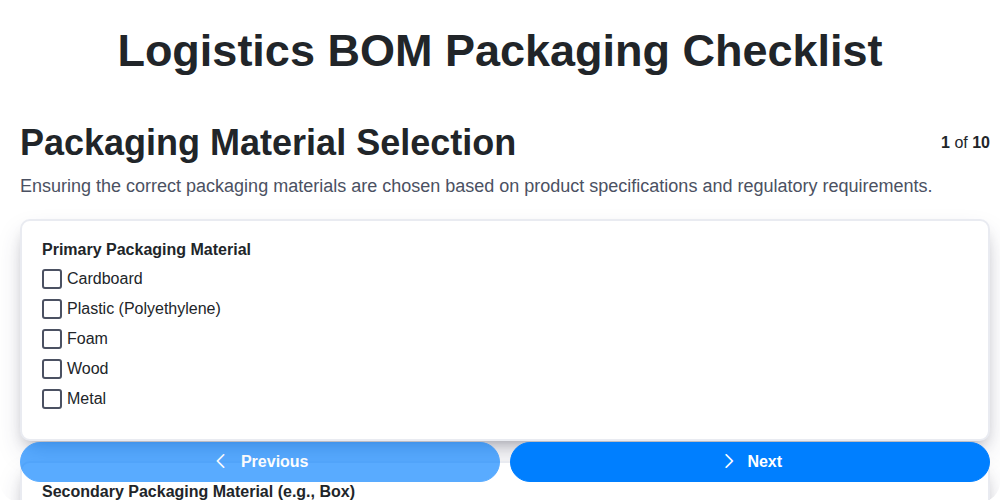
The Ultimate Logistics BOM Packaging Checklist: Ensuring Safe & Efficient Shipments
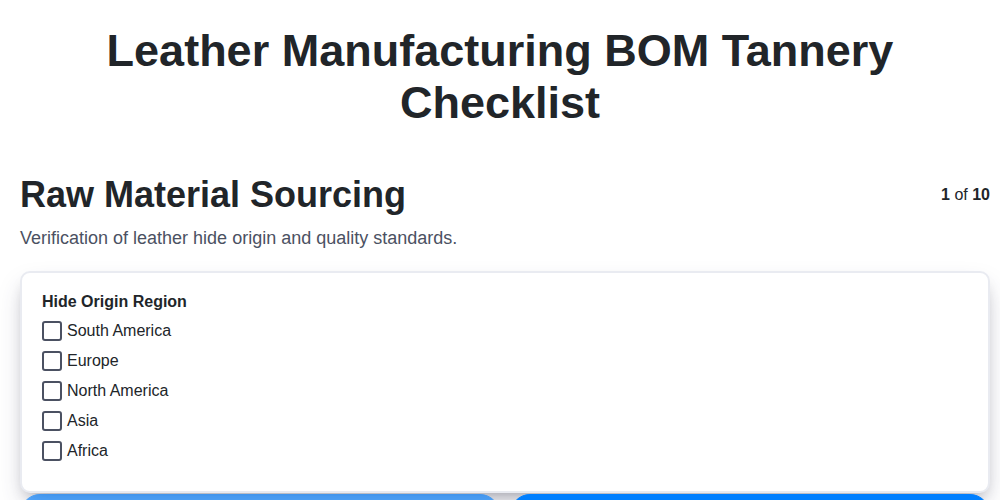
Mastering Leather Manufacturing: Your Tannery BOM & Compliance Checklist
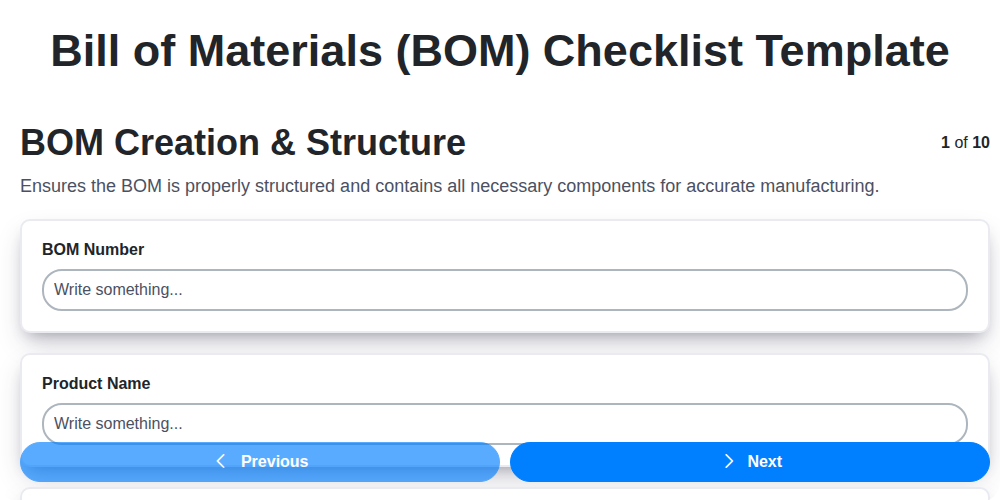
Mastering Your BOM: A Comprehensive Checklist Template for Success
Ensuring Success: Your Oil & Gas BOM Component Approval Checklist Guide
Navigating Medical Device BOM Regulatory Compliance: Your Essential Checklist
The Ultimate Retail BOM Product Definition Checklist: A Step-by-Step Guide
Ensuring Quality: Your Rubber Manufacturing Polymer BOM Checklist Guide
Decoding Origins: Your Construction Materials BOM Origin Checklist Guide
We can do it Together
Need help with
Bill of Materials (BOM) Management?
Have a question? We're here to help. Please submit your inquiry, and we'll respond promptly.