Navigating Mining Cases: Your Essential Management Checklist Template
Published: 12/19/2025 10:00 PM Updated: 12/20/2025 9:16 AM
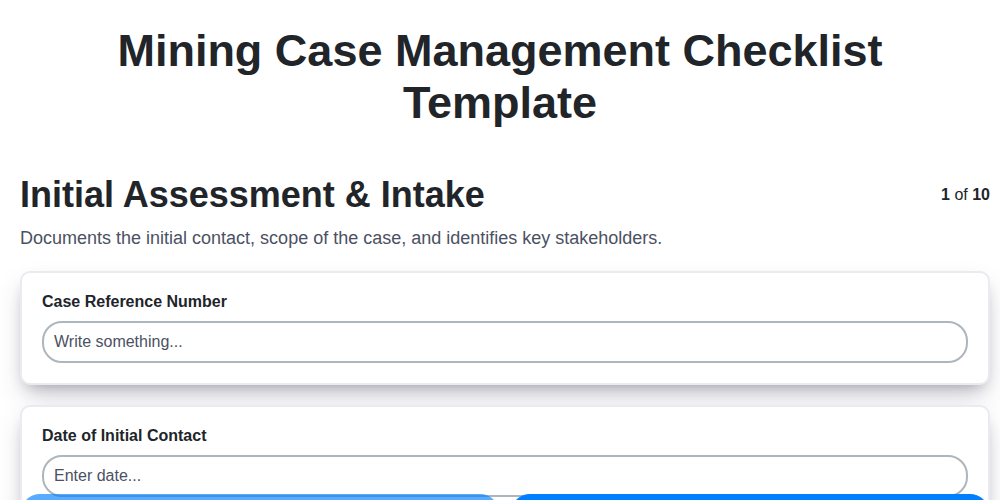
Table of Contents
- Introduction: The Complexities of Mining Case Management
- Why a Mining Case Management Checklist is Crucial
- 1. Initial Assessment & Intake: Laying the Foundation
- 2. Documentation & Evidence Gathering: Building a Robust Case
- 3. Regulatory Compliance: Staying on the Right Side of the Law
- 4. Expert Consultation & Analysis: Leveraging Specialized Knowledge
- 5. Risk Assessment & Mitigation: Identifying and Addressing Potential Issues
- 6. Community Engagement & Stakeholder Communication: Building Trust and Transparency
- 7. Environmental Impact Management: Minimizing Ecological Footprint
- 8. Financial Analysis & Cost Tracking: Maintaining Budgetary Control
- 9. Legal Review & Strategy: Ensuring Legal Soundness
- 10. Case Resolution & Closure: Achieving a Positive Outcome
- Template Download & Customization Tips
- Conclusion: Streamlining Your Mining Case Workflow
- Resources & Links
TLDR: Managing mining cases is complex! This checklist template breaks down the process-from initial assessment to case closure-covering everything from legal reviews and environmental impact to financial tracking and community engagement. It's your guide to ensuring compliance, minimizing risk, and keeping everything on track.
Introduction: The Complexities of Mining Case Management
Mining case management presents a unique set of challenges. Unlike many other industries, mining operations inherently interact with a complex web of environmental, legal, financial, and social factors. Successfully navigating these complexities requires meticulous organization, adherence to strict regulations, and proactive risk mitigation. A single misstep can lead to significant legal ramifications, environmental damage, operational delays, and reputational harm. This isn't just about paperwork; it's about safeguarding communities, protecting ecosystems, and ensuring the long-term viability of the project. Effectively managing mining cases-from initial exploration to final closure-demands a structured, repeatable process, and that's where a robust checklist becomes an invaluable tool. This post will explore the key components of a mining case management checklist, outlining the critical steps needed for successful outcomes.
Why a Mining Case Management Checklist is Crucial
Mining operations, by their very nature, present a complex web of potential issues - environmental concerns, legal challenges, community relations, financial risks, and more. A single incident, or even a perceived oversight, can lead to costly delays, reputational damage, and significant legal repercussions. That's where a robust mining case management checklist becomes absolutely crucial.
Think of it as your proactive shield against potential pitfalls. A well-constructed checklist ensures that every critical step, from initial assessment to final closure, is meticulously documented and addressed. It minimizes the risk of human error, promotes consistency across teams, and creates a clear audit trail - invaluable should any challenges arise. Ignoring this vital tool is essentially operating without a safety net, leaving your project vulnerable to preventable issues and potentially jeopardizing the long-term viability of your mining operation. It's not just about ticking boxes; it's about building a foundation of responsible and sustainable mining practices.
1. Initial Assessment & Intake: Laying the Foundation
The first step in successful case management - particularly in mining - is a thorough initial assessment and intake. This isn't just about gathering basic information; it's about establishing a clear understanding of the situation and setting the stage for all subsequent actions.
This phase involves detailed interviews with involved parties, gathering preliminary background information, and defining the scope of the case. Key considerations include:
- Identifying the Core Issues: What are the fundamental challenges or conflicts driving the case?
- Defining Objectives: What are the desired outcomes for all stakeholders?
- Establishing Timelines: What are the critical deadlines and potential roadblocks?
- Determining Resource Needs: What expertise, data, and tools will be required for effective case management?
- Establishing Contact & Confidentiality Agreements: Ensuring all parties understand their obligations and privacy expectations.
A poorly executed initial assessment can lead to misunderstandings, wasted resources, and ultimately, a less favorable outcome. Accuracy and diligence at this stage are paramount.
2. Documentation & Evidence Gathering: Building a Robust Case
A solid case hinges on thorough and meticulously organized documentation. This isn't simply about collecting information; it's about building a defensible and persuasive record. In mining case management, this phase is critical for demonstrating due diligence, compliance, and responsible practice.
What to Collect & How to Organize It:
- Initial Reports: Start with everything from the initial assessment - geological surveys, preliminary environmental studies, and community consultations.
- Permitting Documents: Compile all permits, licenses, and applications, alongside any associated correspondence with regulatory bodies. Ensure versions are clearly labeled (e.g., Application - Draft 1, Approval - Final).
- Environmental Data: Detailed records of baseline environmental conditions are vital. This includes water quality, air quality, soil samples, noise levels, and biodiversity surveys. Track changes over time.
- Community Consultation Records: Meticulously document all interactions with the community, including meeting minutes, feedback received, and responses provided. Use a consistent format for recording concerns and resolutions.
- Technical Data: Capture all technical data related to the mining operation - geological models, extraction plans, processing methods, and waste management strategies.
- Photographic and Video Evidence: Visual documentation provides powerful support. Label photos and videos with dates, locations, and brief descriptions.
- Correspondence: Maintain a complete archive of all communications - emails, letters, formal requests, and responses.
- Financial Records: Gather all receipts, invoices, budget spreadsheets, and cost analyses.
Best Practices:
- Centralized Repository: Utilize a secure, digital case management system to store all documents in an organized, searchable format.
- Versioning: Implement a version control system to track changes to documents and ensure accountability.
- Chain of Custody: For critical evidence (e.g., samples), maintain a rigorous chain of custody record.
- Regular Audits: Periodically audit the documentation to ensure completeness and accuracy.
- Accessibility: Ensure authorized personnel can easily access the necessary documentation.
Proper documentation isn't just about ticking a box; it's the bedrock upon which a strong and successful mining case is built.
3. Regulatory Compliance: Staying on the Right Side of the Law
Mining operations are heavily regulated, and failing to adhere to these regulations can result in substantial fines, project delays, and reputational damage. This section of the case management checklist focuses on ensuring all activities align with applicable federal, state, and local laws and guidelines.
Here's what we cover:
- Identify Applicable Regulations: Conduct a comprehensive review to identify all relevant environmental, safety, labor, and permitting regulations applicable to the specific mining project and location. This includes, but isn't limited to, those from agencies like the EPA, OSHA, and state mining boards.
- Permitting & Licensing: Track all necessary permits and licenses, ensuring timely applications and renewals. Maintain accurate records of permit conditions and reporting requirements.
- Reporting & Monitoring: Implement systems for consistent monitoring of environmental parameters (water quality, air emissions, noise levels, etc.) as mandated by regulations. Ensure timely and accurate reporting to regulatory agencies.
- Compliance Audits: Schedule and conduct regular compliance audits - both internal and potentially external - to identify gaps and areas for improvement. Document findings and corrective actions taken.
- Training: Provide comprehensive training to all personnel on relevant regulations and compliance procedures.
- Record Keeping: Meticulously maintain records of all compliance activities, including permits, monitoring data, training records, and audit reports. These records are crucial for demonstrating due diligence in case of regulatory scrutiny.
This proactive approach to regulatory compliance minimizes risk and fosters a culture of responsible mining practices.
4. Expert Consultation & Analysis: Leveraging Specialized Knowledge
Mining case management often involves complexities that require specialized expertise. This stage focuses on bringing in the right consultants and analysts to provide in-depth evaluations and informed opinions. It's not just about collecting data; it's about interpreting it accurately.
This could include geotechnical engineers assessing ground stability, hydrologists evaluating water resources, metallurgists analyzing ore processing methods, or archaeologists surveying potential heritage sites. The scope of expertise needed will directly relate to the specific challenges presented by the case.
The process involves clearly defining the consultant's brief, ensuring they understand the case objectives and available data, and establishing a clear reporting framework. Their analysis should be thoroughly documented and integrated into the overall case management process. This data informs risk assessments, helps shape mitigation strategies, and ultimately strengthens the legal and technical standing of the case. Don't underestimate the value of a fresh, expert perspective - it can be crucial for uncovering hidden risks or opportunities.
5. Risk Assessment & Mitigation: Identifying and Addressing Potential Issues
Mining case management inherently carries significant risks, and proactively identifying and mitigating them is crucial for success and minimizing negative impacts. This stage goes beyond simply acknowledging potential problems; it's about systematically evaluating them and implementing concrete solutions.
Our checklist template necessitates a thorough risk assessment focusing on areas like geological instability, water contamination, community opposition, supply chain disruptions, regulatory changes, and market fluctuations. This assessment should involve a multidisciplinary team - geologists, environmental scientists, legal experts, community representatives, and financial analysts - to provide a comprehensive view.
The assessment should go beyond simply listing risks. It must quantify potential impact (e.g., environmental damage, financial loss, project delays) and likelihood. A risk matrix, assigning scores for both impact and likelihood, is a valuable tool here.
Following the assessment, mitigation strategies should be developed and implemented. These might include:
- Geotechnical Stability: Implementing slope stabilization techniques, monitoring ground movement, and utilizing advanced drilling methods.
- Water Management: Designing robust water treatment facilities, implementing water monitoring programs, and establishing contingency plans for spills or leaks.
- Community Relations: Establishing transparent communication channels, offering economic benefits to the community, and addressing concerns proactively.
- Legal & Regulatory Compliance: Maintaining a robust compliance program and anticipating potential regulatory changes.
- Financial Hedging: Utilizing financial instruments to mitigate commodity price volatility.
This isn't a one-time activity. Risk assessment and mitigation must be ongoing throughout the entire case management lifecycle, with regular reviews and adjustments based on new information and changing circumstances. This proactive approach protects the project, the environment, and the communities involved.
6. Community Engagement & Stakeholder Communication: Building Trust and Transparency
Mining case management isn't just about legal and environmental adherence; it's fundamentally about people. Community engagement and proactive stakeholder communication are crucial for building trust, mitigating conflict, and ensuring the long-term success of any mining project. Failing to adequately engage with affected communities can lead to delays, protests, legal challenges, and reputational damage.
This step goes beyond simply informing; it requires genuine dialogue and a willingness to listen to concerns and incorporate feedback. Key actions include:
- Identifying Stakeholders: This includes local residents, Indigenous groups, landowners, government agencies, NGOs, and businesses.
- Establishing Communication Channels: Utilizing multiple avenues like public forums, newsletters, website updates, one-on-one meetings, and community liaison officers.
- Transparent Information Sharing: Providing clear and accessible information about the project's scope, potential impacts (both positive and negative), and mitigation plans.
- Feedback Mechanisms: Creating opportunities for stakeholders to voice concerns and provide input throughout the process. This includes formal grievance mechanisms and regular consultations.
- Addressing Concerns Proactively: Responding promptly and thoughtfully to any issues raised, even if they are complex or challenging.
- Building Relationships: Cultivating long-term relationships based on respect and mutual understanding.
Remember, open and honest communication isn't just a legal requirement; it's a cornerstone of responsible mining practices and builds a foundation for a more sustainable future. It's about fostering a sense of shared responsibility and ensuring that the benefits of the project are shared fairly with all affected parties.
7. Environmental Impact Management: Minimizing Ecological Footprint
Mining operations, by their very nature, have the potential to significantly impact the surrounding environment. A robust Environmental Impact Management (EIM) component within your case management checklist is not just about compliance; it's about responsible mining practices and long-term sustainability. This section ensures potential ecological damage is proactively identified, mitigated, and monitored throughout the entire project lifecycle.
Key Considerations & Actions:
- Baseline Environmental Studies: Conduct thorough initial assessments to establish pre-mining environmental conditions. This includes flora and fauna surveys, water quality testing, soil analysis, and noise level measurements. This data serves as a crucial reference point for future comparisons.
- Impact Prediction & Modeling: Employ predictive models to anticipate potential impacts from mining activities - dust generation, water contamination, habitat loss, noise pollution, and altered drainage patterns.
- Mitigation Strategies: Develop and implement specific mitigation measures based on impact predictions. This could involve erosion control plans, reforestation programs, water treatment systems, noise barriers, and wildlife protection strategies.
- Monitoring & Reporting: Establish a comprehensive monitoring program to track environmental parameters during and after mining operations. Regular reporting on environmental performance is essential, both internally and to regulatory bodies.
- Rehabilitation & Restoration: Detail a phased rehabilitation plan to restore mined areas to a productive and ecologically viable state. This includes topsoil replacement, revegetation with native species, and stabilization of slopes.
- Emergency Response Plan: Develop a plan to address environmental emergencies, such as spills or accidental releases, ensuring prompt and effective containment and remediation.
- Stakeholder Consultation: Engage with local communities and environmental groups to incorporate their concerns and perspectives into environmental management plans.
This proactive approach demonstrates a commitment to environmental stewardship and minimizes the long-term ecological footprint of the mining project, contributing to a more sustainable and socially responsible operation.
8. Financial Analysis & Cost Tracking: Maintaining Budgetary Control
Effective case management hinges on more than just legal or environmental considerations; it demands diligent financial oversight. This section outlines the crucial steps for tracking costs and maintaining budgetary control throughout the case lifecycle.
Detailed Cost Breakdown: Begin by meticulously breaking down all potential expenses. This includes legal fees (attorney, paralegal, expert witness), investigation costs, environmental remediation efforts, community engagement activities, travel expenses, and any other foreseeable outlays. Develop a detailed spreadsheet or utilize case management software to categorize and track these costs.
Budget Creation & Forecasting: Establish a realistic budget based on the initial assessment and ongoing case developments. Regularly update this budget to reflect any changes in scope, complexities, or unexpected costs. Incorporate contingency funds to account for unforeseen circumstances - a prudent practice in any case.
Invoice Review & Approval: Implement a strict invoice review process. Ensure all invoices are accurate, aligned with the agreed-upon rates, and properly documented. Require pre-approval for all significant expenses.
Cost Variance Analysis: Regularly compare actual costs against the budget. Analyze any significant variances - both positive and negative - to understand the reasons behind them and adjust strategies accordingly. This proactive approach can prevent budget overruns and identify opportunities for cost optimization.
Reporting & Transparency: Provide regular financial reports to stakeholders, highlighting spending trends, potential overages, and any adjustments made to the budget. Transparency builds trust and facilitates informed decision-making.
Software & Tools: Leverage case management software with built-in financial tracking capabilities. This streamlines the process, reduces manual errors, and provides real-time insights into financial performance.
By prioritizing rigorous financial analysis and cost tracking, you'll safeguard the case's financial health and contribute to a more successful and sustainable resolution.
9. Legal Review & Strategy: Ensuring Legal Soundness
Navigating the complexities of mining case management often requires a thorough and proactive legal review. This step isn't simply about addressing legal issues after they arise; it's about integrating legal considerations into every stage of the process.
Our checklist prioritizes a comprehensive legal review that encompasses several key areas: initial permit acquisition and compliance, potential environmental regulations (local, regional, and national), land rights and mineral ownership verification, and a detailed assessment of potential liabilities related to operations.
This review involves engaging legal counsel specialized in mining law, environmental law, and potentially indigenous rights, depending on the project's location and nature. The strategy developed should outline a plan for proactively addressing potential legal challenges, including potential litigation, regulatory disputes, and contractual disagreements. It's crucial to document all legal opinions, strategies, and decisions, and to regularly update them as the case evolves and new information becomes available. We also ensure alignment with evolving legal precedents and regulatory changes, minimizing future risks and securing a legally defensible approach to mining operations.
10. Case Resolution & Closure: Achieving a Positive Outcome
Reaching the Case Resolution & Closure stage signifies the culmination of significant effort and careful management. This final step isn't just about formally wrapping things up; it's about ensuring a sustainable, positive outcome for all parties involved and solidifying the integrity of the entire process.
Here, meticulous attention to detail is paramount. This includes verifying that all objectives initially outlined in the case have been met and documented. A thorough review of all actions taken, findings, and outcomes is essential to identify lessons learned and areas for potential improvement in future case management.
Key activities in this phase include:
- Final Report Compilation: Consolidate all documentation, findings, and recommendations into a comprehensive final report. This report should be clear, concise, and accessible to stakeholders.
- Formal Closure Documentation: Officially record the case closure, including dates, responsible parties, and any remaining outstanding items.
- Stakeholder Sign-Off: Obtain formal sign-off from relevant stakeholders, confirming their agreement with the resolution and acknowledging their involvement.
- Data Archiving: Securely archive all case files and documentation, adhering to retention policies and legal requirements.
- Post-Resolution Monitoring (if applicable): Implement any necessary post-resolution monitoring activities to ensure the long-term effectiveness of the solution.
- Review and Feedback: Gather feedback from involved parties to assess the overall case management process and identify opportunities for optimization.
Successful closure involves not just ending the case, but also demonstrating accountability, transparency, and a commitment to continuous improvement in the mining case management process.
Template Download & Customization Tips
Ready to streamline your case management process? Download our Mining Case Management Checklist Template and get started! Here's how to make the most of it:
- Download Options: The template is available in both Microsoft Word and Google Sheets formats for maximum flexibility. Choose the format that best suits your team's preferred tools.
- Initial Review: Before customizing, thoroughly review the entire checklist to understand the intended flow and identify areas where your specific mining case may require adjustments.
- Task Prioritization: We've included suggested task prioritization, but feel free to reorder steps based on the urgency and criticality of each element in your particular case.
- Add/Remove Tasks: Mining cases are unique. Don't hesitate to add new tasks or remove those that aren't relevant. Consider the specifics of the mineral, location, and involved parties.
- Assign Responsibility: Clearly assign responsibility for each task to specific team members or departments. This ensures accountability and prevents tasks from falling through the cracks. Utilize the provided Assigned To column.
- Deadline Integration: Input specific deadlines for each task to keep your case management on track. Link to relevant external documents or systems for easy access.
- Status Tracking: Regularly update the Status column to reflect the progress of each task. Use consistent terminology (e.g., Not Started, In Progress, Completed, Blocked).
- Notes & Comments: Use the Notes & Comments section to document important decisions, observations, or challenges encountered during each step.
- Version Control: When making significant changes, consider saving a copy of the template with a revised date to maintain version control and track modifications.
Conclusion: Streamlining Your Mining Case Workflow
Navigating mining case management is inherently complex, demanding meticulous attention to detail, legal compliance, and environmental responsibility. As we've explored, a robust checklist, like the one detailed above, isn't merely a formality - it's the bedrock of a successful and defensible operation.
Implementing this Mining Case Management Checklist Template offers a tangible pathway to streamlining your workflow. It ensures no critical step is overlooked, fosters transparency throughout the process, and ultimately strengthens your ability to proactively address potential challenges. By systematically working through each phase - from initial assessment to final closure - you reduce the risk of costly errors, delays, and reputational damage.
Remember, this template is a foundation; adapt and customize it to perfectly suit the unique complexities of your specific mining project. Embrace the power of organized processes, and you'll be well-equipped to manage your mining cases efficiently, ethically, and responsibly. The consistent application of a detailed checklist is an investment in the long-term success and sustainability of your mining endeavors.
Resources & Links
- Minerals and Metals Policy and Development Centre (MMPDC): South African governmental body offering information and resources related to mining policy, regulations, and industry best practices. Useful for understanding the regulatory landscape.
- Natural Resources Canada (NRCan): Provides information on Canadian mining regulations, environmental assessments, and sustainable mining practices. A good resource for understanding regulatory frameworks and best practices.
- United States Geological Survey (USGS) - Mining: The USGS provides comprehensive data and reports on mining activities, mineral resources, and geological information. Relevant for understanding geological context and data analysis.
- International Council on Mining and Metals (ICMM): A global mining industry association promoting sustainable development and responsible mining practices. Provides guidelines and resources on various aspects of mining management.
- International Organization for Standardization (ISO): Provides a range of standards relevant to mining, including environmental management (ISO 14001), quality management (ISO 9001), and occupational health and safety (ISO 45001). Important for building robust management systems.
- Law.com: A legal news and information platform. Useful for staying up-to-date on legal developments impacting the mining industry.
- U.S. Energy Information Administration (EIA): Provides data and analysis related to energy resources, including those extracted through mining. Helpful for financial and economic considerations.
- International Finance Corporation (IFC): Part of the World Bank Group, the IFC provides investment, advisory, and asset management services. Their guidelines often include robust sustainability and community engagement frameworks applicable to mining.
- Global Reporting Initiative (GRI): Provides a framework for sustainability reporting. Useful for documenting environmental and social impacts, fostering transparency and stakeholder engagement.
- The World Bank: Offers expertise and resources related to sustainable development and responsible resource management, with a focus on community engagement and environmental protection.
Frequently Asked Questions
What is a 'Mining Case' as referenced in this article?
In this article, a 'Mining Case' refers to any situation requiring investigation, remediation, or resolution within a mining operation. This could include incidents, near misses, environmental concerns, regulatory non-compliance, or any deviation from standard operating procedures that warrants a formal, documented response.
Why should I use a checklist for managing mining cases?
A checklist provides structure and consistency in case management. It ensures all essential steps are followed, reduces the risk of overlooking critical information, improves accountability, and provides a repeatable process for learning from past incidents.
Is this checklist template suitable for all types of mining operations?
The template is designed to be adaptable. While generally applicable, you may need to customize it to align with the specific regulations, operational procedures, and potential hazards of your particular mining environment (e.g., surface mining vs. underground, coal vs. metal ore).
What are the key sections of the checklist template?
The checklist covers key areas including incident identification and reporting, initial assessment & containment, investigation, root cause analysis, corrective actions, verification of effectiveness, documentation, and communication. Each section contains specific tasks to be completed.
Who should be involved in using this checklist?
The checklist should be utilized by a team. This commonly includes the incident reporter, supervisor, safety personnel, investigators, environmental specialists, and relevant operational managers. Clearly defined roles and responsibilities are crucial for efficient use.
Can I modify the checklist to suit my company's needs?
Absolutely. The template is intended to be a starting point. You should modify it to reflect your organization's specific policies, procedures, and regulatory requirements. Adding or removing steps as necessary is encouraged.
What types of data should I be collecting and documenting during a mining case investigation?
Documentation should include: date and time of the incident, location, personnel involved, initial observations, witness statements, photos/videos, environmental readings, equipment logs, and any actions taken to contain the situation. Accurate and detailed records are critical.
How does the checklist help with preventing future incidents?
By identifying root causes and implementing corrective actions, the checklist process helps address the underlying factors contributing to incidents. Regular review and updates to procedures based on learnings from past cases are also vital.
Where can I find more information about mining safety regulations?
Regulations vary by region. Consult your local mining regulatory agencies (e.g., MSHA in the US, similar organizations in other countries) and industry best practices to ensure compliance. Your company's legal and compliance departments can also provide guidance.
What should I do if I encounter a situation not directly covered by the checklist?
If a situation isn't explicitly addressed, apply the principles of hazard identification, risk assessment, and escalation as appropriate. Document the process used to address the situation and consider adding a new step to the checklist for future reference.
Found this Article helpful?
Comments
There are no comments yet. Be the first to add one!
Case Management Solution Demo
Streamline your casework & improve outcomes! ChecklistGuro centralizes case details, tasks, & communication. Enhance efficiency, ensure compliance, & deliver exceptional service. Manage it all with our Work OS.
Related Articles
Streamline Your Deals: The Ultimate Real Estate Case Management Checklist Template
Streamline Your Debt Collection: A Case Management Checklist Template
Cybersecurity Incident Response: Your Checklist Template for Success
Streamline Your Case Management: The Ultimate Checklist Template
Mastering IP: Your Intellectual Property Case Management Checklist Template
HR Case Management Checklist Template: Your Guide to Fair & Compliant Investigations
Streamlining Veteran Care: Your Comprehensive Case Management Checklist Template
Mastering Investigations: Your Case Management Checklist Template Guide
We can do it Together
Need help with
Case Management?
Have a question? We're here to help. Please submit your inquiry, and we'll respond promptly.