Ensuring Excellence: Your Mining Contractor Performance Checklist Template
Published: 11/20/2025 Updated: 07/02/2026
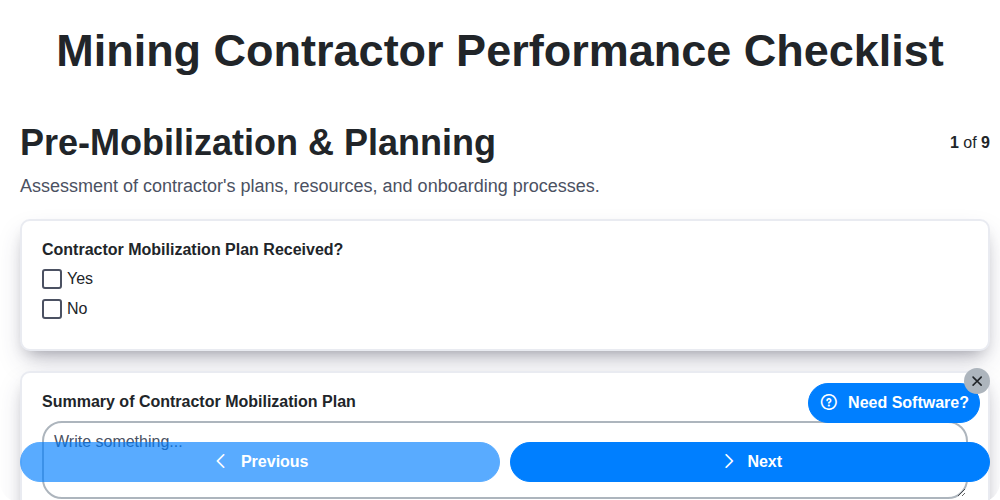
Table of Contents
- Introduction: Why a Mining Contractor Performance Checklist Matters
- 1. Pre-Mobilization & Planning: Setting the Foundation
- 2. Safety Performance: Prioritizing People Above All Else
- 3. Environmental Compliance: Responsible Mining Practices
- 4. Production & Efficiency: Meeting Targets & Optimizing Output
- 5. Equipment & Maintenance: Reliability and Uptime
- 6. Communication & Reporting: Keeping Everyone Informed
- 7. Personnel & Training: Skills and Expertise
- 8. Site Management & Housekeeping: Order and Efficiency
- 9. Closeout & Demobilization: A Smooth Transition
- Resources & Links
TLDR: Want to make sure your mining contractor is hitting the mark? This checklist template covers everything from safety and environmental compliance to production and reporting, giving you a clear, structured way to evaluate their performance and ensure project success. Download it and start tracking!
Introduction: Why a Mining Contractor Performance Checklist Matters
The success of any mining operation hinges significantly on the performance of its contractors. Mining contractors are often brought in for specialized tasks, from drilling and blasting to hauling and crushing, and their efficiency and adherence to standards directly impact project timelines, budgets, and overall safety. However, simply hiring a contractor isn't enough; a robust system for evaluating and monitoring their performance is critical.
This is where a comprehensive Mining Contractor Performance Checklist becomes invaluable. It's more than just a formality - it's a vital tool for ensuring accountability, identifying areas for improvement, and ultimately, maximizing the value of your contractor relationship. A well-defined checklist provides a structured framework for objective assessment, minimizing subjective opinions and promoting transparency. It ensures that contractors are consistently meeting expectations, upholding safety protocols, and contributing positively to the mining operation's success. Without a clear performance checklist, you risk overlooking critical issues that can lead to costly delays, environmental damage, and potentially, serious safety incidents. This article will delve into the key elements of such a checklist and explain why it's an essential element of modern mining management.
1. Pre-Mobilization & Planning: Setting the Foundation
A successful mining operation hinges on meticulous planning before a single shovel hits the ground. This phase, often overlooked, directly impacts safety, efficiency, and overall project success. A thorough pre-mobilization and planning checklist ensures everyone is aligned and potential pitfalls are identified early.
Key elements of a robust pre-mobilization checklist should include:
- Scope of Work Definition: A crystal-clear understanding of the contracted work, including deliverables, timelines, and responsibilities. Ambiguity here breeds conflict later.
- Site Assessment & Risk Identification: Detailed site surveys, geotechnical reports, and hazard identification exercises. This informs the mobilization plan and allows for proactive mitigation strategies.
- Permitting & Approvals: Verifying all necessary permits and approvals are in place before mobilization begins. Delays here can be incredibly costly.
- Resource Allocation & Logistics: Planning for personnel, equipment, and material transport - including route planning, access requirements, and potential bottlenecks.
- Contract Review & Clarification: Thorough review and understanding of the contract terms, including insurance requirements, payment schedules, and performance guarantees.
- Stakeholder Engagement: Identifying and engaging with relevant stakeholders - landowners, local communities, and regulatory bodies - to ensure a collaborative approach.
- Emergency Response Planning: Development of a comprehensive emergency response plan, including evacuation procedures, medical facilities, and communication protocols.
Without this critical upfront planning, the mining contractor's performance from the very start will be compromised, impacting the entire project lifecycle.
2. Safety Performance: Prioritizing People Above All Else
Mining is inherently a high-risk industry, making a robust safety performance record absolutely critical for any mining contractor. This isn't just about ticking boxes; it's about fostering a culture where everyone goes home safe every day. Our checklist assesses several key areas to ensure this commitment is consistently upheld.
We evaluate the contractor's adherence to established safety protocols, including hazard identification and risk assessment processes. This goes beyond simply identifying hazards; it delves into the effectiveness of control measures implemented to mitigate those risks. We scrutinize the contractor's incident reporting system, ensuring prompt and thorough investigations are conducted, and corrective actions are implemented to prevent recurrence.
A critical element is the visibility and enforcement of Personal Protective Equipment (PPE) requirements. We're looking for a demonstrable commitment to ensuring all personnel are correctly equipped and consistently utilizing the appropriate PPE. Beyond this, we assess the contractor's commitment to proactive safety initiatives, such as toolbox talks, safety audits, and near-miss reporting programs. Our evaluation also includes verification of emergency response plans and drills, ensuring everyone is prepared for unexpected events. Ultimately, a strong safety performance record reflects a contractor who values their workforce above all else.
3. Environmental Compliance: Responsible Mining Practices
Mining operations inherently impact the environment, making robust environmental compliance a non-negotiable aspect of contractor performance. This section of the checklist focuses on ensuring the mining contractor adheres to all applicable environmental regulations, minimizes environmental disturbance, and actively contributes to sustainable practices.
Key areas assessed include:
- Permitting & Regulatory Adherence: Verification that all necessary permits are obtained and up-to-date, and that operations consistently comply with all relevant environmental regulations (local, state/provincial, and federal).
- Water Management: Assessment of water quality monitoring programs, sediment and erosion control measures, wastewater treatment processes, and adherence to discharge limits. Evidence of proactive measures to prevent contamination of surface and groundwater.
- Dust Control: Evaluation of dust suppression techniques employed (water spraying, chemical stabilization, vegetation), air quality monitoring data, and effectiveness in minimizing airborne particulate matter.
- Waste Management: Scrutiny of waste handling procedures, including hazardous waste identification, storage, disposal, and recycling programs. Proper segregation and disposal of all waste materials.
- Rehabilitation & Reclamation: Monitoring progress on rehabilitation plans, including topsoil management, revegetation efforts, and the implementation of erosion control measures to restore disturbed areas.
- Biodiversity Protection: Identification and mitigation of potential impacts on flora and fauna, including habitat preservation efforts and protection of endangered species.
- Spill Prevention & Response: Evaluation of spill prevention plans, equipment inspections, and the availability of trained personnel and necessary resources for effective spill response.
This area necessitates ongoing monitoring, audits, and a demonstrated commitment to minimizing the mining operation's environmental footprint.
4. Production & Efficiency: Meeting Targets & Optimizing Output
A mining contractor's success hinges significantly on their ability to consistently meet production targets while maximizing efficiency. This section of the performance checklist drills down into those critical areas. We're looking beyond just hitting tonnage; we're evaluating how those targets are achieved.
Key Areas of Assessment:
- Tonnage & Meterage: Are agreed-upon tonnage and meterage goals being met regularly? We're examining trends and investigating any shortfalls.
- Cycle Times: Analyzing the efficiency of mining cycles - drilling, blasting, loading, hauling - to identify bottlenecks and opportunities for improvement. This includes assessing blast performance (fragment size, dilution) and haul road efficiency.
- Utilization Rates: Monitoring equipment utilization rates. Underutilized equipment signals inefficiency, whether due to maintenance issues, poor planning, or lack of work.
- Dilution & Loss: Assessing dilution (unwanted material mined) and loss (valuable material left behind). These directly impact the quality of the ore and profitability.
- Optimization Strategies: Evaluating the contractor's proactive approach to optimization - are they implementing new technologies, refining processes, or utilizing data analytics to improve output?
- Continuous Improvement: Demonstrating a commitment to continuous improvement initiatives, incorporating lessons learned and adapting strategies for better performance.
Regular performance reviews focusing on these areas allow for proactive adjustments, ensuring the contractor maintains a competitive edge and delivers consistently high-quality results.
5. Equipment & Maintenance: Reliability and Uptime
A mining contractor's equipment is their lifeblood. Consistent and reliable performance is paramount to meeting production targets and avoiding costly delays. This section of the checklist focuses on evaluating the contractor's proactive approach to equipment management.
We assess not just the condition of equipment during operations, but also the comprehensive maintenance program in place. Key considerations include:
- Preventative Maintenance Schedules: Are schedules adhered to? Are they detailed and specific to each piece of equipment, factoring in usage and operating conditions? We look for documented evidence of planned maintenance activities.
- Spare Parts Management: Does the contractor maintain an adequate inventory of critical spare parts? Are parts readily available to minimize downtime? A reactive approach to parts procurement is a red flag.
- Equipment Condition Assessment: Regular inspections and condition assessments are vital. Are inspections documented? Are findings addressed promptly and effectively?
- Repair and Refurbishment Processes: How are repairs handled? Are qualified personnel utilized? Are refurbishment programs in place to extend equipment lifespan?
- Equipment Utilization Tracking: Are metrics tracked to identify equipment under-utilization or excessive wear and tear? This data should inform maintenance strategies.
- Mobile Equipment Condition Monitoring: Are technologies like vibration analysis, oil analysis, and thermal imaging used to predict failures before they occur?
A contractor demonstrating a robust equipment and maintenance program minimizes breakdowns, maximizes uptime, and ultimately contributes to project success.
6. Communication & Reporting: Keeping Everyone Informed
Effective communication and transparent reporting are the lifeblood of a successful mining operation. For a mining contractor, it's not just about doing the work; it's about clearly demonstrating how the work is progressing and identifying potential issues proactively. A robust communication and reporting system builds trust with the client and allows for timely adjustments to strategy.
What should be included?
- Daily/Weekly Progress Reports: These should outline work completed, quantities moved, any challenges encountered, and plans for the following period. Use clear, concise language - avoid technical jargon unless it's defined.
- Performance Metrics Dashboards: Visual representations of key performance indicators (KPIs) like production rates, cost per tonne, and downtime are invaluable. Easy-to-understand graphs and charts facilitate quick assessments.
- Incident Reporting: Immediate and detailed reporting of any incidents, near misses, or equipment failures is critical. Include root cause analysis and corrective actions planned.
- Meeting Schedules & Minutes: Regular meetings (shift briefings, weekly progress meetings) should be scheduled and documented with clear action items and responsibilities.
- Client Interface: A designated point of contact for the client ensures consistent communication and a single source of information. Proactive updates, even when things are going well, foster a strong relationship.
- Change Management Communication: Any deviations from the original plan - scope changes, schedule adjustments - must be communicated promptly and with a clear explanation of the impact.
- Feedback Loops: Establish channels for feedback from the client and internal teams, and demonstrate how that feedback is being used to improve performance.
A contractor who prioritizes clear and consistent communication demonstrates professionalism and accountability, fostering a collaborative and productive working environment.
7. Personnel & Training: Skills and Expertise
A mining contractor's success hinges on the competence and dedication of its workforce. This section of the performance checklist focuses on ensuring personnel possess the necessary skills and receive ongoing training to maintain a high level of performance and safety.
We assess the contractor's approach to personnel selection, including verification of qualifications, experience, and relevant certifications (e.g., blasting licenses, first aid, confined space entry). Beyond initial qualifications, we examine the contractor's commitment to continuous professional development. This includes:
- Regular Toolbox Talks: Frequency, quality, and effectiveness of on-site training sessions.
- Specialized Training Programs: Availability and participation in programs covering specific tasks and equipment operation.
- Refresher Courses: Frequency and content of refresher training to maintain proficiency.
- Mentorship Programs: Opportunities for less experienced personnel to learn from seasoned professionals.
- Performance Feedback & Development Plans: Formal processes for identifying skill gaps and creating personalized development plans.
Furthermore, we evaluate the contractor's approach to team leadership, ensuring supervisors possess the leadership skills to effectively manage, motivate, and mentor their teams. A robust personnel and training program directly contributes to improved safety, productivity, and overall project success.
8. Site Management & Housekeeping: Order and Efficiency
A mining operation's success isn't solely defined by tonnes moved; it's also a reflection of how well the site is managed and maintained. Effective site management and housekeeping are critical for safety, efficiency, and overall project success. A poorly maintained site is a recipe for accidents, equipment damage, and reduced productivity.
This section of the contractor performance checklist focuses on the contractor's ability to maintain a clean, organized, and well-managed worksite. We're looking for proactive measures, not just reactive cleanups. Key areas of evaluation include:
- Waste Management: Proper segregation, storage, and disposal of waste materials. Evidence of recycling programs where applicable.
- Material Storage: Secure and organized storage of materials, minimizing environmental impact and preventing damage.
- Work Area Organization: Clear and unobstructed access routes, defined work zones, and a general absence of unnecessary clutter.
- Housekeeping Schedule & Execution: A documented housekeeping plan and evidence of its consistent implementation.
- Security Measures: Adequate security protocols to protect equipment and materials from theft or vandalism.
- Site Drainage: Effective drainage systems to prevent water accumulation and potential hazards.
- General Appearance: A demonstrably tidy and professional appearance of the worksite.
Failure to maintain adequate site management and housekeeping can lead to penalties, delays, and even project termination. A strong performance in this area demonstrates a commitment to safety and a professional approach to the entire mining operation.
9. Closeout & Demobilization: A Smooth Transition
The end of a mining contract isn't the end of the contractor's responsibilities. A thorough and well-executed closeout and demobilization phase is critical for maintaining a positive working relationship with the client, ensuring site safety, and protecting the contractor's reputation. This checklist element assesses the contractor's performance in these final stages.
Key considerations within this area include:
- Detailed Closeout Plan: Was a comprehensive plan developed well in advance of contract completion, outlining responsibilities, timelines, and required approvals? This plan should be reviewed and updated collaboratively with the client.
- Site Remediation: Proper restoration of the site to its agreed-upon condition. This includes removal of all contractor-owned equipment, materials, and debris. Soil stabilization, revegetation, and erosion control must be implemented according to agreed-upon plans.
- Data Handover: Complete and accurate transfer of all relevant data, including production records, geological information, equipment maintenance logs, and environmental monitoring results. This facilitates seamless transition for the client's team.
- Final Inspections & Sign-Off: Formal inspections conducted jointly with the client to verify completion of all work and site remediation. Documented sign-off is crucial to confirm acceptance of the final condition.
- Equipment Removal & Transportation: Efficient and safe removal of all equipment, ensuring proper securing and transportation to avoid damage or environmental impact.
- Financial Closeout: Reconciliation of all outstanding invoices, final payments, and resolution of any financial disputes.
- Lessons Learned Review: A collaborative review of the entire contract, identifying successes and areas for improvement in future operations.
Poor performance in this area can result in penalties, withheld payments, and damage to the contractor's reputation. A successful closeout demonstrates professionalism and a commitment to long-term partnerships.
Resources & Links
- Ausenco: Ausenco is a global mining and infrastructure engineering company, providing resources for understanding contractor management and performance evaluation - helpful for broader context and industry best practices.
- Lycaon Technologies: Lycaon specializes in mine engineering, providing expertise and potentially relevant case studies or reports on contractor performance management.
- Warden Services: Warden provides mining safety and training services. Relevant for understanding the importance of safety checklists and contractor responsibility.
- Ramsar: Ramsar offer environmental monitoring and compliance services - valuable for understanding environmental performance aspects in mining contracts.
- Baker Bros: Provides specialized mining equipment and maintenance expertise, offering perspective on equipment reliability and uptime.
- Global Workforce: Focuses on mining recruitment and HR solutions. Offers insights into personnel management, training, and contractor workforce compliance.
- Monash University (Mining Engineering Dept.): Academic research and publications from a leading mining engineering university can offer theoretical frameworks and case studies related to contractor management.
- University of Sydney (Mining Engineering Dept.): Similar to Monash, the University of Sydney's mining engineering department provides valuable research and expertise.
- SafetySmart: Offers safety management systems and training, useful for understanding best practices in contractor safety performance and checklist development.
- HSE (UK Health and Safety Executive): While UK-based, the HSE provides a wealth of information on health and safety standards and best practices applicable internationally.
- ISO (International Organization for Standardization): ISO standards, particularly those related to quality management (ISO 9001) and environmental management (ISO 14001), can guide contractor performance assessment.
- Queensland Resources Council: Resources for the Queensland resources sector, with information potentially relevant to contractor performance.
- NSW Government Resources & Energy: Government resources related to mining and contractor management in NSW, Australia, potentially including regulatory guidelines.
- WestNet: Provides technology and reporting solutions for the mining industry - potentially useful for streamlining communication and reporting aspects of contractor performance.
- CRC Mining: CRC Mining researches into mining innovation and efficiency; may have reports or insights on contractor performance factors.
Frequently Asked Questions
What is a mining contractor performance checklist and why do I need one?
A mining contractor performance checklist is a structured document used to evaluate and track the performance of your mining contractor. It helps ensure they meet contractual obligations, maintain safety standards, deliver on production targets, and provide value for money. It moves beyond gut feeling to a data-driven evaluation process.
Who should use this checklist template?
This template is designed for mining companies, site managers, procurement teams, and anyone responsible for overseeing and evaluating the performance of mining contractors. It's useful for both large and small-scale mining operations.
What are the key areas covered in the checklist template?
The template covers crucial areas including safety performance, production efficiency, equipment maintenance, environmental compliance, cost management, communication & reporting, and adherence to agreed processes. A full breakdown of categories can be found within the template itself.
Is this checklist customizable? Can I add or remove categories?
Yes, absolutely! The checklist is provided as a template for your convenience. You are encouraged to customize it to align with your specific contract terms, operational requirements, and risk profile. Add, remove, or modify categories as needed.
How often should I use this checklist?
The frequency of checklist usage should be determined by your contract and operational needs. We recommend regular assessments - potentially weekly, monthly, or quarterly - with more frequent checks during critical phases or when addressing specific concerns.
What kind of documentation should I keep related to the checklist assessments?
Maintain detailed records of each assessment, including dates, scores, observations, corrective actions taken, and any supporting evidence (photos, reports, etc.). This documentation is essential for contract management, dispute resolution, and continuous improvement.
What happens if a contractor fails to meet the criteria outlined in the checklist?
The checklist provides a clear basis for addressing performance issues. Discuss the findings with the contractor, collaborate on a corrective action plan, and monitor progress. If performance doesn't improve, escalate the issue according to your contractual agreements.
How does this checklist contribute to continuous improvement?
The checklist identifies areas for improvement in both contractor performance and your internal processes. By tracking trends and analyzing results, you can proactively address weaknesses and optimize contractor management strategies.
Are there any legal considerations I should be aware of when using this checklist?
Ensure the checklist aligns with the terms of your contract and relevant legal regulations. Consult with legal counsel if you have any concerns about contractual language or compliance requirements.
Where can I find more resources and information on contractor management?
Many resources are available online, including industry publications, professional associations, and government agencies. Search for terms like 'mining contractor management,' 'contractor performance evaluation,' and 'risk management in mining'.
Comments
There are no comments yet. Be the first to add one!
Mining Management Solution Demo
Maximize efficiency & safety in mining operations! ChecklistGuro streamlines task management, equipment tracking, and compliance reporting. Optimize workflows, reduce risk, & boost productivity. Manage it all with our Work OS.
Related Articles
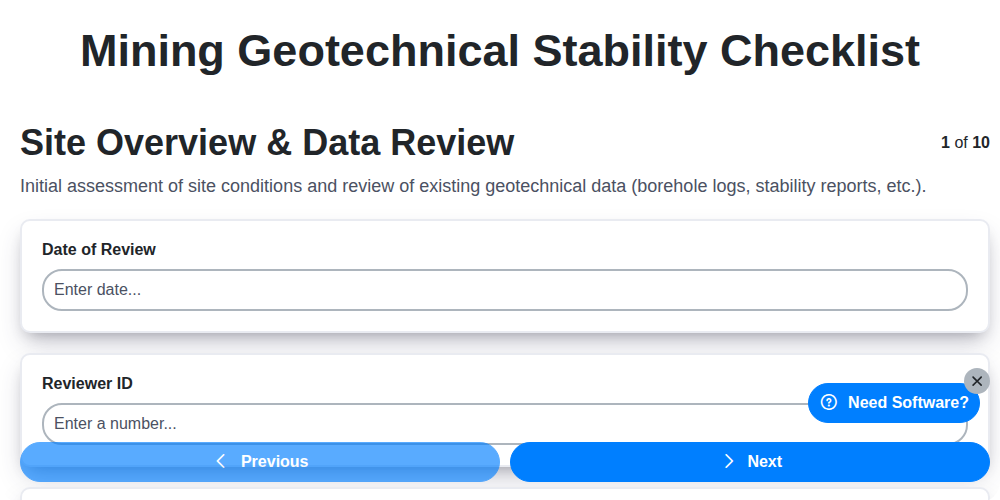
Ensuring Mine Safety: Your Geotechnical Stability Checklist Guide
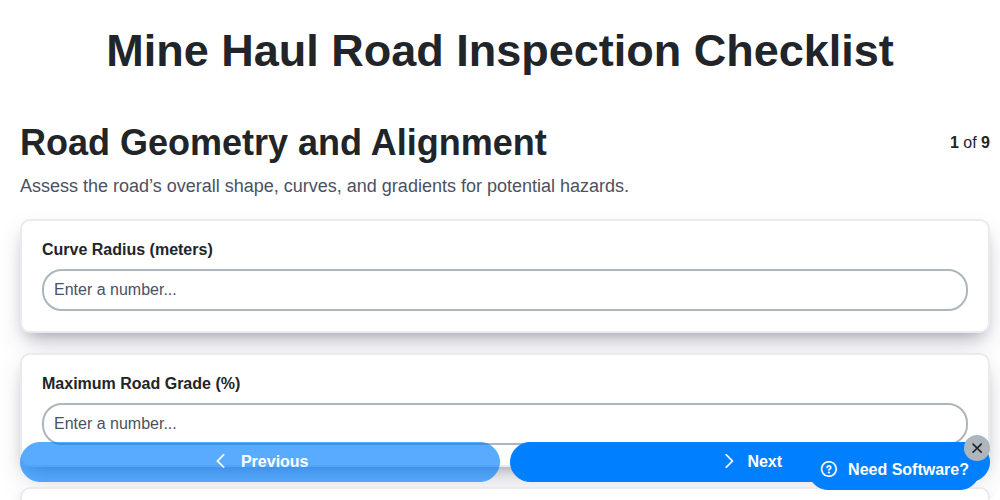
Ensuring Safety & Efficiency: Your Mine Haul Road Inspection Checklist Guide
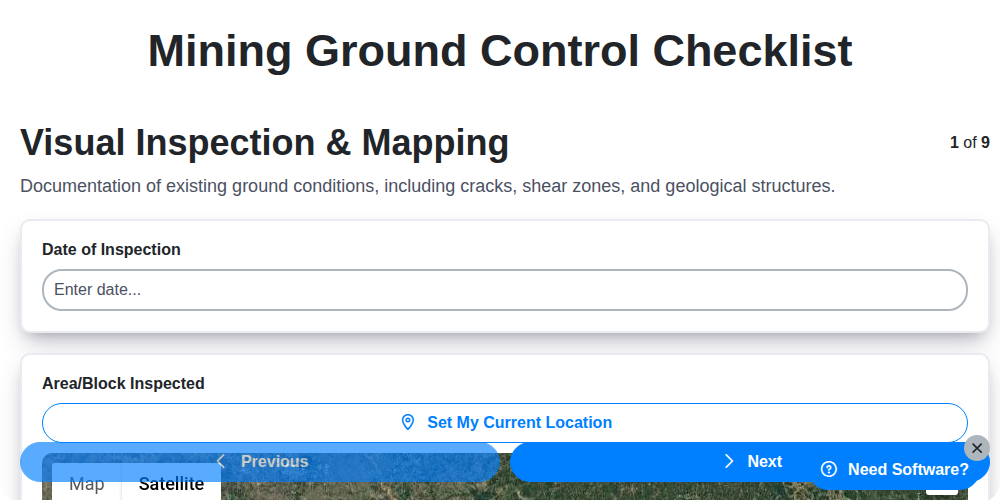
Mastering Mine Safety: Your Guide to the Ground Control Checklist
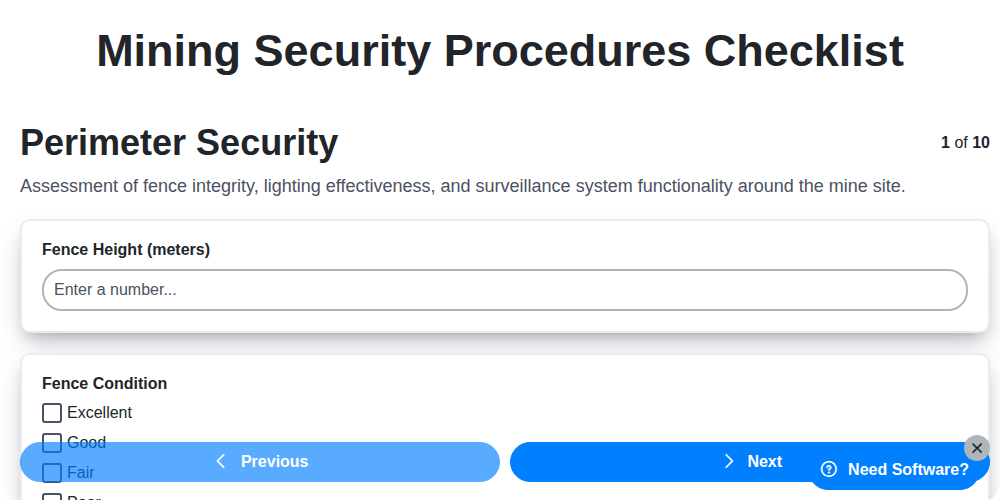
Mining Security Procedures Checklist: A Comprehensive Template for Safety
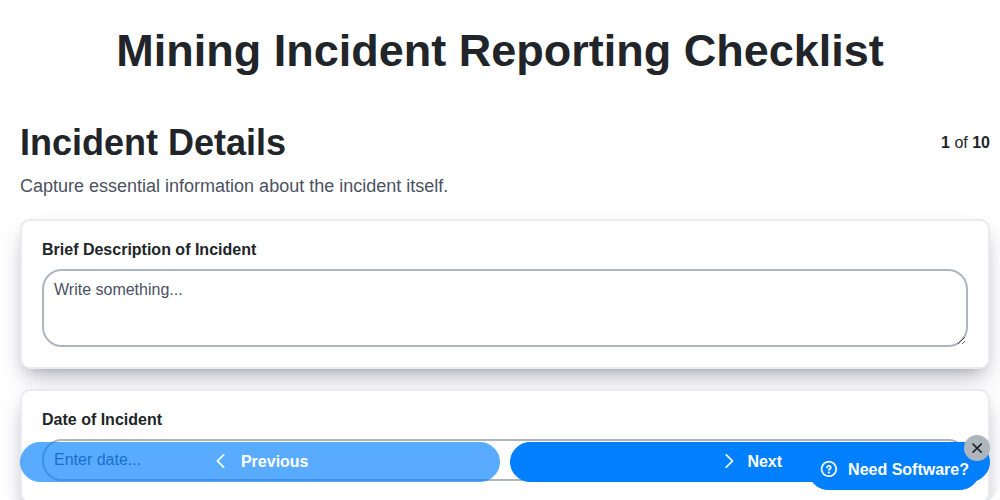
Ensuring Safety: Your Mining Incident Reporting Checklist Guide
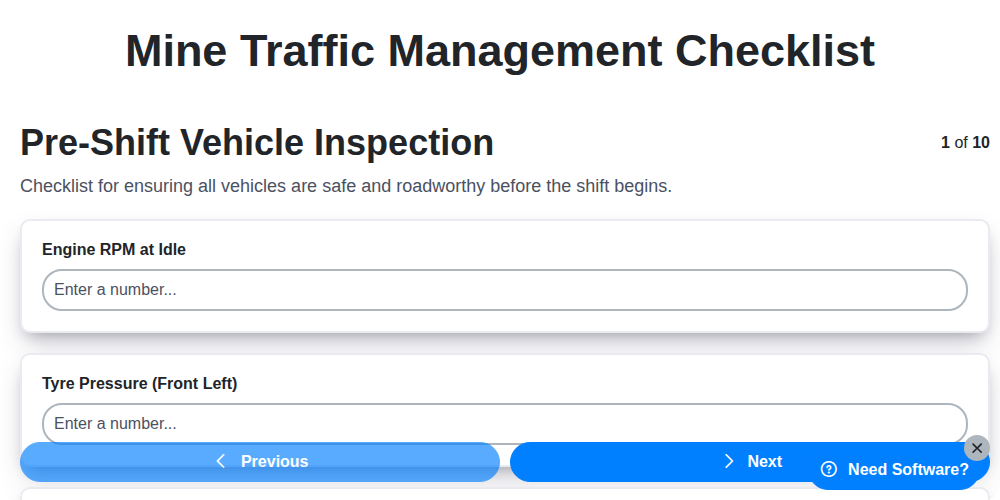
Ensuring Safety Underground: Your Mine Traffic Management Checklist Guide
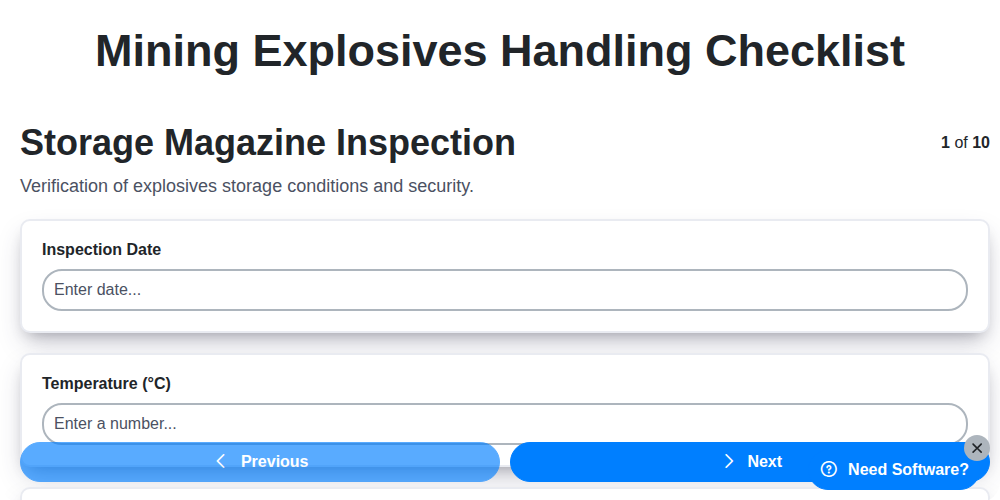
Ensuring Safety: Your Mining Explosives Handling Checklist Template
Ensuring Safety & Compliance: Your Mining Noise Monitoring Checklist Guide
Need help with
Mining Management?
Have a question? We're here to help. Please submit your inquiry, and we'll respond promptly.