Keeping Mines Safe: Your Mining Dust Control Checklist Template
Published: 11/20/2025 Updated: 07/02/2026
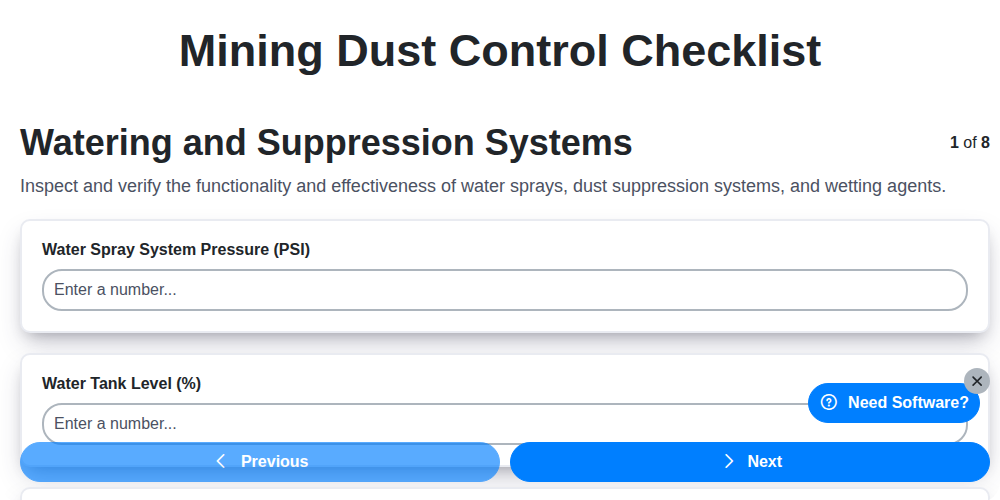
Table of Contents
- Introduction: Why Dust Control Matters in Mining
- 1. Watering and Suppression Systems: The First Line of Defense
- 2. Ventilation System Performance: Keeping Air Clean
- 3. Road and Area Management: Minimizing Dust Generation
- 4. Equipment Maintenance & Emissions: Reducing Fugitive Dust
- 5. Monitoring and Sampling: Tracking Dust Levels
- 6. Personal Protective Equipment (PPE): Protecting Your Workforce
- 7. Training & Awareness: Building a Safety Culture
- 8. Record Keeping: Demonstrating Compliance
- 9. Emergency Response Planning for Dust Events
- 10. Regular Checklist Reviews and Updates
- Resources & Links
TLDR: Worried about mining dust? This checklist template is your easy-to-use guide! It covers everything from watering systems and equipment maintenance to PPE and training, helping you stay compliant, protect your workforce, and keep your mine operating safely and efficiently. Download it, customize it, and breathe easier!
Introduction: Why Dust Control Matters in Mining
Mining operations inherently generate dust - a byproduct of blasting, drilling, crushing, and hauling. While seemingly unavoidable, unchecked dust poses significant risks to worker health, environmental sustainability, and operational efficiency. Prolonged exposure to mining dust, particularly respirable crystalline silica, can lead to serious respiratory illnesses like silicosis, chronic bronchitis, and lung cancer. Beyond human health, dust can impact surrounding ecosystems, damage equipment through abrasion, reduce visibility, and even lead to regulatory non-compliance and costly fines. Therefore, a proactive and comprehensive dust control program isn't just best practice - it's essential for responsible and sustainable mining. This blog post outlines a detailed checklist to guide you in establishing and maintaining an effective dust control strategy, helping to protect your workforce, minimize environmental impact, and ensure ongoing operational success.
1. Watering and Suppression Systems: The First Line of Defense
Effective dust control starts with a robust watering and suppression system. These aren't just about spraying water; they're a meticulously planned and maintained component of your overall dust mitigation strategy.
Here's a breakdown of key considerations for this critical area:
- System Inspection: Regularly inspect all watering systems (sprinklers, water trucks, misting systems, etc.) for leaks, clogs, and proper functionality. Don't wait for a breakdown - proactive checks are vital.
- Water Source & Quality: Ensure a consistent and adequate water supply. The water quality itself matters - highly saline or chemically contaminated water can actually exacerbate dust problems by creating surface crusts that break apart easily. Test water regularly.
- Application Rates: Establish and adhere to optimal watering rates based on the type of material being handled, weather conditions (humidity, wind speed), and the effectiveness of the suppression. Too little water won't work; too much can create mud and other issues.
- Nozzle Condition & Distribution: Ensure nozzles are clean, undamaged, and distributing water evenly. Regularly replace worn or blocked nozzles.
- Seasonal Adjustments: Adjust watering frequency and volume based on seasonal changes and increased or decreased activity levels.
- Surface Coverage: Verify that watering efforts adequately cover all areas prone to dust generation, including haul roads, stockpiles, and processing areas.
2. Ventilation System Performance: Keeping Air Clean
Effective ventilation is a critical line of defense against mining dust. It's not just about moving air; it's about capturing and removing dust at its source before it can be dispersed throughout the mine. A poorly performing ventilation system significantly increases worker exposure and poses serious health risks.
Key Areas to Assess:
- Airflow Measurements: Regularly measure airflow rates at strategic locations throughout the mine, including face areas, return airways, and splitters. Compare these measurements to design specifications and identify areas with inadequate airflow.
- Fan Performance: Monitor fan speed, amperage draw, and static pressure to ensure fans are operating within expected parameters. Reduced performance can indicate wear, blockage, or other issues.
- Dust Collection Systems: Inspect and maintain dust collection devices (e.g., scrubbers, baghouses) to ensure optimal dust removal efficiency. Check filter condition, pressure drops, and overall functionality.
- Sealing and Leakage: Identify and seal leaks in airways and ventilation doors. Even small leaks can disrupt airflow patterns and reduce overall system effectiveness. Regularly check and repair ventilation curtains and stoppings.
- Negative Pressure Zones: Be vigilant for areas experiencing excessive negative pressure, which can draw dust from uncontrolled sources.
- Emergency Ventilation: Ensure emergency ventilation systems are functional and tested regularly.
Regular checks and proactive maintenance are paramount. A poorly maintained system can quickly become a major contributor to dust exposure. Document all checks, repairs, and modifications.
3. Road and Area Management: Minimizing Dust Generation
Effective road and area management is a cornerstone of a robust dust control program. Simply put, how you manage traffic flow and surface conditions significantly impacts the amount of dust kicked up. Here's a breakdown of key practices:
- Road Grading & Compaction: Regularly grade and compact roadways, especially haul roads and access routes. A smooth, stable surface reduces the likelihood of dust generation from vehicle movement. Consider using road binders or stabilizers to further minimize dust.
- Speed Limits & Traffic Control: Enforce strict speed limits for vehicles operating within the mining site. Lower speeds drastically decrease the amount of dust raised. Implement traffic control measures, such as designated routes and one-way systems, to optimize flow and reduce unnecessary vehicle movements.
- Material Selection: When constructing or repairing roads, choose materials that bind well and minimize dust. This could include using stabilized aggregates, dust suppressants, or even asphalt in appropriate areas.
- Stockpile Management: Stockpiles of ore, overburden, and other materials are significant dust sources. Cover stockpiles with tarps or other coverings when not actively being used. Locate stockpiles strategically to minimize wind exposure. Regularly water stockpiles, particularly during dry and windy conditions. Consider vegetation cover for longer-term stabilization.
- Perimeter Control: Manage areas surrounding roads and working faces. This might involve vegetation establishment, fencing to prevent unauthorized access, and strategic placement of berms to contain dust.
4. Equipment Maintenance & Emissions: Reducing Fugitive Dust
Equipment is a major contributor to fugitive dust generation in mining operations. Regular maintenance and proactive emissions controls are crucial to minimizing this source. This isn't just about regulatory compliance; it's about protecting worker health and the surrounding environment.
Here's what your maintenance and emissions program should encompass:
- Regular Inspections: Implement a schedule for inspecting all equipment, from haul trucks and loaders to drills and crushers. Look for leaks (hydraulic fluid, oil), worn tires, damaged hoses, and general wear and tear.
- Fluid Management: Leaky equipment releases not just fluid, but often carries dust with it. Implement a leak detection and repair program (LDAR). Use drip pans where necessary and promptly address any identified leaks.
- Tire Pressure & Condition: Properly inflated tires reduce rolling resistance, lowering emissions. Regularly inspect tires for damage, uneven wear, and proper inflation. Consider using tire chains in appropriate conditions to minimize dust generation.
- Filter Maintenance: Diesel particulate filters (DPFs) and other filtration systems are vital. Follow manufacturer's recommendations for cleaning, replacement, and inspection. Blocked filters significantly increase emissions and reduce engine efficiency.
- Engine Optimization: Ensure engines are properly tuned and operating within their optimal performance range. This includes checking and adjusting fuel injectors, spark plugs (for applicable engines), and air intake systems.
- Emissions Control Technology: Evaluate and implement appropriate emissions control technologies, such as selective catalytic reduction (SCR) systems for NOx reduction and diesel oxidation catalysts (DOCs) for particulate matter.
- Idling Reduction: Implement policies to minimize equipment idling. Excessive idling wastes fuel and generates unnecessary emissions. Consider automatic engine shutdown systems.
- Fuel Quality: Use fuel that meets specifications and avoid the use of adulterated or substandard fuels.
- Record Keeping: Maintain detailed records of all maintenance activities, inspections, and repairs related to equipment emissions.
5. Monitoring and Sampling: Tracking Dust Levels
Regular monitoring and sampling are absolutely crucial for verifying the effectiveness of your dust control measures. It's not enough to think you're controlling dust; you need concrete data to prove it. This section outlines the key steps.
Understanding Your Requirements: First, familiarize yourself with applicable regulations and permit conditions. These will often dictate specific monitoring requirements - frequency, locations, and methods.
Sampling Locations: Strategically place sampling points to represent areas of highest potential dust generation. Consider:
- Perimeter: Monitor dust levels at the site boundary to ensure compliance with off-site impacts.
- High-Traffic Areas: Roads, haul roads, and loading/unloading zones are prime areas.
- Areas with Significant Excavation/Blasting: These activities often generate significant dust.
- Downwind Locations: Assess dust transport and deposition.
Sampling Methods: Choose appropriate methods based on dust particle size and regulatory requirements. Common methods include:
- High-Volume Air Sampling: For collecting larger respirable dust particles.
- Dust Sedimentation Pads: Measuring deposition rates.
- Real-Time Dust Monitors: Providing continuous data (though often requiring calibration).
Data Analysis & Interpretation: Don't just collect data; analyze it! Compare results against baseline levels, regulatory limits, and internal targets. Identify trends and areas needing improvement.
Documentation: Meticulously record all monitoring data, sampling methods, equipment calibration records, and any deviations from the standard operating procedures. This documentation is vital for demonstrating compliance and identifying corrective actions.
6. Personal Protective Equipment (PPE): Protecting Your Workforce
Mining dust control isn't just about engineering solutions; it's about safeguarding the health and wellbeing of your workforce. Personal Protective Equipment (PPE) forms a critical last line of defense against respirable dust exposure. A robust PPE program goes beyond simply providing equipment; it requires proper selection, fit testing, training, and consistent enforcement.
What PPE is Essential?
- Respirators: This is the cornerstone of PPE in dust control. Selection should be based on the dust concentration levels and the specific tasks being performed. Options range from disposable N95 respirators to more advanced powered air-purifying respirators (PAPRs). Crucially, all employees required to wear respirators must undergo fit testing and medical evaluations.
- Eye Protection: Safety glasses or goggles are essential to prevent dust from irritating the eyes.
- Hearing Protection: While primarily addressing noise hazards, hearing protection can also offer some protection from dust.
- Protective Clothing: Coveralls or other protective clothing can help minimize dust contact with skin.
Beyond Provision: A Complete PPE Program
- Regular Inspections: Ensure PPE is in good working order and replace damaged or worn items promptly.
- Proper Storage: Clean and store PPE when not in use to prevent contamination and prolong its lifespan.
- Enforcement: Consistently enforce PPE requirements and address any non-compliance issues.
- Program Evaluation: Regularly review and update your PPE program to ensure its effectiveness and address any identified gaps.
A comprehensive PPE program, combined with proactive dust control measures, is vital for protecting your miners and maintaining a safe and healthy work environment.
7. Training & Awareness: Building a Safety Culture
Effective dust control isn't just about implementing procedures; it's about fostering a safety culture where everyone understands the risks and their role in mitigation. This starts with comprehensive training and ongoing awareness programs.
What Should Training Cover?
- Dust Hazards & Health Effects: Employees need to understand why dust control is important - the potential health impacts of exposure to mining dust, including respiratory illnesses like silicosis and pneumoconiosis.
- Control Measures: Detailed instruction on each control measure outlined in the checklist - how watering systems work, proper ventilation techniques, best practices for road maintenance, and the purpose of PPE.
- PPE Usage: Hands-on training on the correct selection, fitting, use, and maintenance of respirators and other PPE. This isn't just about handing out equipment; it's about ensuring it's used properly and consistently.
- Emergency Procedures: What to do in the event of a dust control system failure or unexpected dust release.
- Reporting Procedures: Empowering employees to report concerns, near misses, or potential issues without fear of reprisal.
Beyond the Initial Training:
- Regular Refresher Courses: Keep knowledge fresh and reinforce best practices.
- Toolbox Talks: Short, focused discussions addressing specific dust control topics.
- Safety Meetings: Dedicated time for open communication and feedback.
- Visual Reminders: Posters and signage reinforcing key procedures and safety messages.
- Continuous Improvement: Encourage employee input on how to improve dust control efforts.
A well-trained and informed workforce is your first and most valuable line of defense against mining dust hazards.
8. Record Keeping: Demonstrating Compliance
Robust record keeping is the backbone of any successful dust control program. It's not enough to do the right things; you need to prove you've done them. Thorough records provide tangible evidence of your commitment to compliance with regulations (like MSHA in the US, or equivalent standards elsewhere) and demonstrate due diligence in mitigating dust-related health risks.
What should you be tracking? Here's a breakdown:
- Watering and Suppression System Maintenance: Dates of maintenance, repairs, and inspections for all watering systems, including pumps, nozzles, and timers. Record any adjustments made to ensure optimal performance.
- Ventilation System Performance: Keep logs of airflow measurements, fan speeds, and ductwork inspections. Document any repairs or modifications to ventilation systems.
- Road and Area Management: Record the dates and methods of dust suppression activities on roads and in work areas (e.g., chemical application rates, watering schedules).
- Equipment Maintenance & Emissions: Maintain records of all preventative maintenance performed on equipment, including engine servicing and filter replacements. Track emissions testing results.
- Monitoring and Sampling Data: Securely store all dust monitoring and sampling results, including dates, locations, methods used, and personnel involved. Include any corrective actions taken based on sampling results.
- PPE Inspections & Distribution: Maintain records of PPE inspections, distribution, and replacement. Track employee training records related to PPE use and fit testing.
- Training & Awareness Programs: Document all training sessions conducted, including dates, topics covered, and attendees.
- Incident Reporting: Keep a detailed log of any dust-related incidents or near misses, along with corrective actions implemented to prevent recurrence.
Best Practices for Record Keeping:
- Digital is Best: Consider using a digital system for storing records. This allows for easy searching, reporting, and data analysis.
- Secure Storage: Protect records from damage and unauthorized access.
- Retention Policy: Establish a clear record retention policy in accordance with legal and regulatory requirements.
- Regular Review: Regularly review records to identify trends, assess program effectiveness, and make necessary adjustments.
Proper record keeping isn't just about avoiding penalties; it's about proactively safeguarding the health and safety of your workforce.
9. Emergency Response Planning for Dust Events
Despite diligent preventative measures, unexpected and significant dust events can still occur. Having a clearly defined and practiced emergency response plan is crucial for minimizing risks to personnel and the surrounding environment. This plan should detail specific actions to be taken when dust concentrations exceed pre-determined thresholds, or when visible, uncontrolled dust plumes are observed.
Key components of an effective emergency response plan include:
- Communication Protocol: Establish clear lines of communication, including designated personnel responsible for issuing alerts, notifying affected areas (both internal and external), and coordinating responses. Utilize multiple communication methods (radio, sirens, phone trees) to ensure message delivery.
- Dust Event Severity Levels: Define different levels of dust event severity (e.g., minor, moderate, severe) and corresponding response actions for each.
- Immediate Actions: Outline steps for immediate mitigation, such as activating emergency watering systems, halting operations in affected areas, and evacuating personnel if necessary.
- Root Cause Investigation: Include a process for quickly investigating the cause of the event after it has been contained. This helps prevent recurrence.
- Community Notification: Develop a plan for notifying nearby communities and stakeholders in the event of a significant dust event that may impact them.
- Post-Event Review: Following any emergency response, conduct a thorough review to identify areas for plan improvement.
Regular drills and training exercises are vital to ensure the effectiveness of the emergency response plan and to keep personnel prepared for any situation.
10. Regular Checklist Reviews and Updates
Checklists aren't static documents; they're living tools that need regular upkeep to remain effective. Dust control measures evolve with regulations, equipment upgrades, and lessons learned from experience. Schedule periodic reviews - at least annually, and ideally more frequently - to assess the checklist's accuracy and comprehensiveness.
Consider the following during these reviews:
- Regulatory Changes: Are there any new or revised regulations impacting dust control?
- Operational Changes: Have there been modifications to mining processes, equipment, or site layout?
- Incident Analysis: Were there any dust-related incidents? If so, does the checklist adequately address the contributing factors?
- Employee Feedback: Solicit input from personnel directly involved in dust control activities. They often have valuable insights.
- Technology Advancements: Are there new technologies or techniques available that could improve dust control?
Updating the checklist based on these considerations ensures it remains a relevant and valuable resource for maintaining a safe and compliant mining operation. Don't be afraid to adapt and refine it-your proactive approach will be key to ongoing success.
Resources & Links
- National Institute for Occupational Safety and Health (NIOSH) - Mining: NIOSH is a federal agency dedicated to worker safety and health. Their Mining section provides extensive resources on dust control, health hazards, and best practices, including research reports and guidelines.
- Mine Safety and Health Administration (MSHA): MSHA is the primary federal agency responsible for regulating mine safety and health. This site offers regulations, guidance documents, training materials, and inspection data relating to dust control.
- International Organization for Standardization (ISO): ISO develops and publishes international standards. While not exclusively mining-focused, understanding ISO standards (e.g., related to environmental management systems) can contribute to effective dust control programs.
- Global Expertise: This site specializes in mining ventilation and dust control systems, offering insight into engineering solutions for reducing dust exposure. While it's a commercial site, the information provided on their website provides valuable overview of technologies and practices.
- Dust Control World: Industry-specific publication and resource covering a broad range of dust control technologies and applications, including mining. Provides news, case studies, and product information.
- Rock Dust Control: A company specializing in rock dust control solutions for the mining industry. Their site contains technical information and product details about their offerings.
- Ausenco: A global engineering, procurement, and construction (EPC) company with extensive mining experience. Their website may contain case studies or technical information related to dust control systems implemented in mining projects.
- Baker Hughes: A prominent energy technology company. Their mining solutions often involve dust management and suppression systems. Their website includes technical information and case studies.
- Sandvik: Sandvik is a global engineering group providing a range of mining equipment and services, including dust suppression solutions. Their site highlights their offerings and technologies.
- FLSmidth: FLSmidth provides equipment and services to the cement, mining, and mineral processing industries. Their website provides information on technologies that may be relevant to dust control, specifically in mineral processing stages.
- Airtech Group: Specializes in dust collection and ventilation systems. This could be valuable for understanding ventilation system maintenance and performance.
Frequently Asked Questions
What is mining dust and why is it a concern?
Mining dust consists of fine particles released during drilling, blasting, crushing, and hauling operations. It poses a significant health risk to miners, primarily causing respiratory illnesses like silicosis, pneumoconiosis, and chronic bronchitis. It can also be explosive under certain conditions.
What is the purpose of this checklist template?
This checklist template provides a practical guide to help mining operations systematically assess and improve their dust control measures. It's designed to help identify potential hazards, track progress, and ensure compliance with safety regulations.
Who should use this checklist?
This checklist is intended for use by mining managers, safety officers, health and safety representatives, and any personnel involved in implementing and monitoring dust control programs. It's suitable for all types of mining operations - surface and underground.
How often should I use this checklist?
Ideally, this checklist should be reviewed and updated regularly - at least quarterly, or more frequently depending on operational changes, incidents, or regulatory updates. It should also be used before any new mining activities or changes to existing processes.
What are the key areas covered in the checklist?
The checklist covers key aspects of dust control including ventilation, water suppression, equipment maintenance, personal protective equipment (PPE), monitoring and measurement, training, and compliance with relevant regulations. It also includes sections for assessing risk and implementing corrective actions.
What does 'water suppression' mean in the context of dust control?
Water suppression involves using water to reduce dust levels. This can be achieved through various methods, such as spraying water on roadways, applying water to crushers, or using water monitors near drilling and blasting activities.
What type of PPE is relevant for dust control?
Appropriate PPE includes respirators (dust masks), safety glasses/goggles, and hearing protection, depending on the specific task and dust levels. The checklist will help you verify if the right PPE is available and being used correctly.
How does the checklist address ventilation?
The checklist assesses the adequacy of ventilation systems to remove dust from the mining area. This includes checking airflow rates, filter efficiency, and ensuring proper ventilation design based on operational needs and regulations.
What do I do if I identify a hazard during the checklist review?
The checklist includes a section for documenting identified hazards and outlining corrective actions. These actions should be prioritized, assigned to responsible individuals, and tracked to ensure completion. Follow up on corrective actions to verify effectiveness.
Where can I find relevant regulations and standards related to mining dust control?
Consult your local mining regulatory agencies (e.g., MSHA in the US, HSE in the UK). Also, refer to industry standards and best practices documents published by organizations like the National Institute for Occupational Safety and Health (NIOSH). The checklist provides prompts to verify compliance with these standards.
Comments
There are no comments yet. Be the first to add one!
Mining Management Solution Demo
Maximize efficiency & safety in mining operations! ChecklistGuro streamlines task management, equipment tracking, and compliance reporting. Optimize workflows, reduce risk, & boost productivity. Manage it all with our Work OS.
Related Articles
Ensuring Mine Safety: Your Geotechnical Stability Checklist Guide
Ensuring Safety & Efficiency: Your Mine Haul Road Inspection Checklist Guide
Mastering Mine Safety: Your Guide to the Ground Control Checklist
Mining Security Procedures Checklist: A Comprehensive Template for Safety
Ensuring Safety: Your Mining Incident Reporting Checklist Guide
Ensuring Safety Underground: Your Mine Traffic Management Checklist Guide
Ensuring Safety: Your Mining Explosives Handling Checklist Template
Ensuring Safety & Compliance: Your Mining Noise Monitoring Checklist Guide
Need help with
Mining Management?
Have a question? We're here to help. Please submit your inquiry, and we'll respond promptly.