Staying Safe Underground: Your Mining Fire Prevention Checklist Guide
Published: 11/22/2025 Updated: 07/02/2026
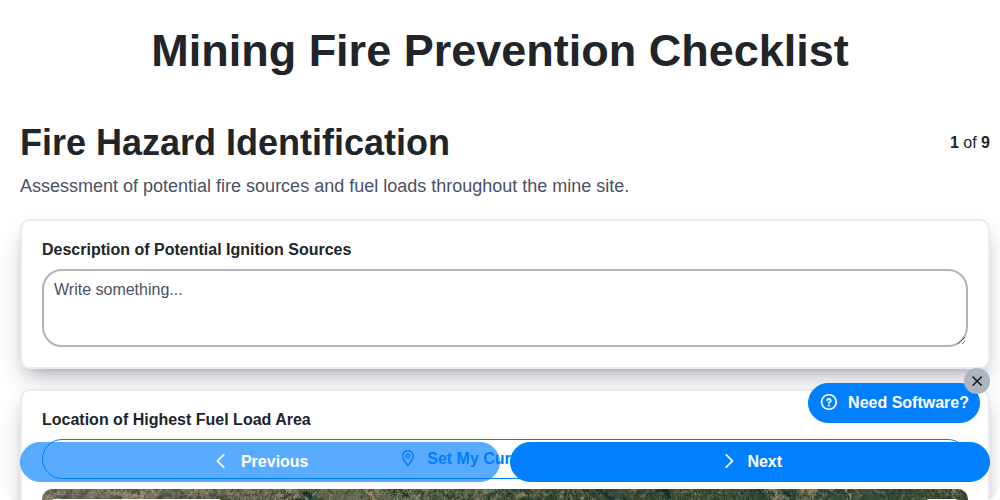
Table of Contents
- Introduction: The Critical Need for Fire Prevention in Mining
- 1. Fire Hazard Identification: Spotting Potential Risks
- 2. Electrical Equipment Inspection: A Detailed Examination
- 3. Welding & Cutting Operations: Safe Practices for Heat Work
- 4. Ventilation System Performance: Ensuring Clean Air and Dilution
- 5. Fire Suppression Equipment: Readiness and Maintenance
- 6. Flammable Material Storage: Secure and Compliant
- 7. Housekeeping Practices: Maintaining a Fire-Safe Environment
- 8. Employee Training & Awareness: Building a Culture of Safety
- 9. Emergency Response Plan Review: Testing and Refining
- 10. Common Mining Fire Scenarios and Prevention
- 11. Legal & Regulatory Compliance for Mining Fire Safety
- Conclusion: Proactive Fire Prevention for a Safer Mine
- Resources & Links
TLDR: Mining fires are a serious threat. This checklist provides a straightforward guide to identify risks (like faulty equipment, improper storage, and lack of training), ensuring your mine is fire-safe. Follow the steps - hazard identification, equipment checks, ventilation, fire suppression, and emergency planning - to keep your team and your operation protected. Download the template and use it regularly for proactive fire prevention!
Introduction: The Critical Need for Fire Prevention in Mining
Mining operations inherently present significant fire hazards. From the presence of methane and coal dust to the use of heavy machinery and electrical equipment, the potential for a devastating fire is ever-present. A single incident can result in catastrophic loss of life, environmental damage, and substantial financial repercussions, potentially halting operations for extended periods. Beyond the immediate risks, a fire can severely damage critical infrastructure and disrupt the entire supply chain. Therefore, a robust and proactive fire prevention program isn't just a regulatory requirement; it's an ethical and operational imperative. This checklist is designed to provide a structured approach to identifying and mitigating these risks, ensuring the safety of personnel and the continued viability of mining operations.
1. Fire Hazard Identification: Spotting Potential Risks
Mining environments present unique and often complex fire hazards. A proactive fire prevention strategy starts with meticulously identifying these risks. Don't rely on assumptions; a systematic and thorough hazard identification process is critical.
What does this involve? It's more than just a quick walk-through. It requires a detailed assessment of every area, considering both obvious and less apparent dangers. Look for:
- Combustible Materials: Identify all materials that could burn - wood, coal dust (a significant risk in many mines), methane gas, oil, grease, solvents, and even certain types of rock. Note their location and quantity.
- Ignition Sources: Pinpoint potential ignition sources, including electrical equipment, friction-generating machinery, hot surfaces, sparks from equipment, and static electricity build-up.
- Dust Accumulation: Coal dust, rock dust, and other particulate matter are major fuel sources. Heavy dust layering drastically increases fire risk.
- Gas Leaks: Methane and other flammable gases are inherent risks. Regular monitoring and leak detection are crucial.
- Confined Spaces: Areas with limited ventilation can quickly accumulate flammable gases and heat, escalating fire danger.
- Unusual Conditions: Be aware of changes in ventilation, unusual heat signatures, or any other deviations from the norm that could indicate a developing hazard.
This initial assessment should be documented, including photographic evidence where applicable. It should also be reviewed regularly, especially after any changes to processes, equipment, or layout. Engage employees - they often have valuable insight into potential hazards based on their daily experience.
2. Electrical Equipment Inspection: A Detailed Examination
Electrical faults are a leading cause of underground mine fires, making regular and thorough inspections absolutely critical. This isn't just about a quick visual check; it requires a methodical and detailed approach. Here's what your inspections should cover:
- Wiring Integrity: Examine all wiring for signs of damage, fraying, cracking, or rodent damage. Look for exposed conductors and loose connections.
- Overloading: Verify that electrical circuits aren't overloaded. Use ammeters to measure current draw and compare against rated capacity. Overloaded circuits generate excessive heat.
- Equipment Condition: Inspect motors, transformers, generators, and other electrical equipment for signs of overheating, corrosion, or unusual noises. Check for proper grounding.
- Insulation Resistance: Periodically perform insulation resistance testing (megger testing) to identify degrading insulation on cables and equipment. Low resistance readings indicate potential failure points.
- Lighting: Ensure all lighting fixtures are properly shielded and grounded. Check for damaged or cracked globes and ensure adequate illumination.
- Portable Equipment: Don't forget portable tools and equipment! Inspect power cords, plugs, and connections regularly. Ensure Ground Fault Circuit Interrupters (GFCIs) are functioning correctly where required.
- Documentation: Maintain detailed records of all inspections, including dates, findings, and corrective actions taken. This creates a traceable history and helps identify recurring issues.
Remember, a qualified electrician should conduct these inspections, especially those involving more technical aspects like insulation resistance testing.
3. Welding & Cutting Operations: Safe Practices for Heat Work
Welding and cutting operations, while essential in mining, present significant fire hazards. Sparks, intense heat, and potential for ignition are constant risks. A robust and strictly adhered-to process is vital to mitigate these dangers.
Pre-Work Assessment is Key: Before any hot work commences, a thorough "Hot Work Permit" process must be followed. This includes:
- Atmospheric Testing: Oxygen levels, flammable gas concentrations (methane, hydrogen, etc.), and carbon monoxide levels must be tested in the work area and surrounding areas. Readings must be within safe limits (typically below 5% oxygen and minimal flammable gas concentrations - refer to your site's specific standards). No hot work should proceed until readings are safe.
- Fire Watch Assignment: A designated, trained Fire Watch must be present during and for at least 30 minutes after hot work is completed. The Fire Watch is responsible for continuous observation for signs of fire and must be equipped with a fire extinguisher.
- Clearance of Flammables: All flammable materials within a designated radius (typically 35 feet, but this may vary depending on site procedures and material types) must be removed or shielded with fire-resistant blankets.
During Operation:
- Shielding: Use appropriate fire-resistant blankets or screens to contain sparks and heat.
- Equipment Condition: Ensure welding and cutting equipment is in good working order, with proper insulation and grounding.
- Personal Protective Equipment (PPE): All personnel involved must wear appropriate PPE, including welding helmets, gloves, flame-resistant clothing, and hearing protection.
- Spark Arrestors: Utilize spark arrestors on cutting torches.
Post-Operation:
- Continued Fire Watch: As mentioned above, a vigilant Fire Watch must remain after the work is finished to detect any smoldering embers.
- Area Inspection: Thoroughly inspect the work area and surrounding areas for any signs of fire or overheating.
4. Ventilation System Performance: Ensuring Clean Air and Dilution
Maintaining a robust ventilation system is absolutely critical in a mining environment to prevent the build-up of flammable gases, dust, and fumes. Poor ventilation can quickly turn a minor spark into a catastrophic event. This checklist item goes beyond simply ensuring the fans are running; it's about verifying the system's effectiveness.
Here's what to assess:
- Airflow Measurement: Regularly measure airflow rates in critical areas to ensure they meet design specifications. Use calibrated anemometers to quantify the air movement. Deviations could indicate blockages or system degradation.
- Ductwork Inspection: Check ductwork for obstructions like debris, collapsed sections, or corrosion. Any blockage significantly reduces airflow.
- Fan Performance: Monitor fan motor amperage and RPM. Unusual readings suggest motor issues or fan blade damage, impacting airflow. Check for excessive noise or vibration.
- Filter Maintenance: If your ventilation system uses filters (especially important for dust control), ensure they are clean and properly maintained according to the manufacturer's recommendations. Clogged filters dramatically reduce efficiency.
- Exhaust Point Verification: Confirm exhaust points are clear and unobstructed, allowing gases and dust to safely disperse away from the mine workings.
- Local Exhaust Ventilation (LEV): For specific operations generating fumes or dust (e.g., grinding, blasting), verify LEV systems are functioning correctly and capturing contaminants at the source.
5. Fire Suppression Equipment: Readiness and Maintenance
Your fire suppression system is your last line of defense against a devastating fire. Regular inspection and maintenance are absolutely critical to ensure it functions reliably when needed. This goes beyond simply having the equipment; it's about guaranteeing it's ready.
Here's what your checklist should cover:
- Visual Inspection: Conduct frequent (at least monthly) visual checks of all fire extinguishers, sprinkler heads, and standpipes. Look for signs of damage, corrosion, or obstructions. Are extinguisher tags current and legible?
- Hydrostatic Testing: Sprinkler systems require periodic hydrostatic testing - a pressure test to ensure the piping and sprinkler heads are intact. This is typically required every 5 years, but check local regulations for specific intervals. Keep meticulous records of these tests.
- Fire Extinguisher Inspection & Maintenance: Annual inspections by a certified professional are mandatory. This includes checking pressure gauges, ensuring tamper seals are intact, and verifying that extinguishers are accessible. Six-year and 12-year internal maintenance/recharge/replacement is also required for certain types of extinguishers.
- Sprinkler Head Inspection: Regularly inspect sprinkler heads for damage, paint build-up, or obstructions. Any obstructions must be removed immediately.
- Standpipe Testing: Standpipe systems used for manual firefighting require periodic testing to ensure adequate water pressure and functionality.
- Documentation: Maintain detailed records of all inspections, maintenance, and testing performed. This documentation is vital for compliance and demonstrating due diligence in case of an incident.
Neglecting your fire suppression equipment is a gamble you can't afford to take. A properly maintained system can mean the difference between a minor incident and a major disaster.
6. Flammable Material Storage: Secure and Compliant
Proper storage of flammable materials is absolutely critical in preventing mining fires. It's not just about keeping them contained; it's about minimizing risk in every possible way. Here's what your checklist should address:
- Approved Containers: All flammable liquids and solids must be stored in containers specifically designed and approved for that purpose. This means checking for proper labeling, material compatibility (the container must not react with the substance), and tight-sealing lids. Don't use makeshift containers!
- Designated Storage Areas: Establish clearly marked, designated storage areas for flammable materials, away from ignition sources like electrical equipment, welding areas, and exhaust vents. These areas should be well-ventilated and, ideally, fire-resistant.
- Quantity Limits: Adhere strictly to maximum allowable quantities of flammable materials allowed for storage, as dictated by local regulations and internal safety protocols. Less is always safer.
- Spill Containment: Implement spill containment measures, such as dikes, trays, or absorbent materials. This is your last line of defense against a small spill escalating into a larger hazard. Regularly inspect and maintain these systems.
- Grounding and Bonding: When transferring flammable liquids, ensure proper grounding and bonding to prevent static electricity buildup, a frequent ignition source.
- Segregation: Store incompatible materials separately. A chart detailing chemical incompatibility should be readily available and strictly followed. Mixing the wrong substances can create explosive compounds.
- Regular Inspections: Conduct frequent inspections of flammable material storage areas to identify leaks, damaged containers, and any deviations from established protocols. Document these inspections and address any issues promptly.
7. Housekeeping Practices: Maintaining a Fire-Safe Environment
Good housekeeping isn't just about aesthetics; it's a cornerstone of fire prevention in any mining operation. Accumulated dust, debris, and improperly stored materials are significant fuel sources for a fire to ignite and rapidly spread.
Here's what robust housekeeping practices should encompass:
- Regular Dust Removal: Mining environments generate copious amounts of dust - coal dust, rock dust, and more. Implement a rigorous schedule for removing this dust from surfaces, including floors, walls, beams, and equipment. Vacuuming is generally preferred over sweeping, as sweeping can redistribute dust into the air.
- Waste Management: Ensure a readily available and properly managed waste disposal system. Trash cans should be emptied frequently, and flammable waste should be stored in designated, secure containers.
- Material Storage: Keep walkways, exits, and emergency equipment access routes clear of obstructions. Store materials neatly and in designated areas, avoiding piles and ensuring proper ventilation.
- Spill Control: Develop and enforce procedures for immediate cleanup of any spills involving flammable liquids or other hazardous materials. Spill kits should be readily available and employees trained in their proper use.
- Routine Inspections: Conduct regular housekeeping inspections to identify and correct any potential hazards. Document these inspections and follow up on corrective actions promptly.
Poor housekeeping creates an environment ripe for fire - proactive and consistent cleaning is a simple, yet vital, investment in safety.
8. Employee Training & Awareness: Building a Culture of Safety
A comprehensive fire prevention checklist is only as effective as the people implementing it. That's why robust employee training and awareness programs are absolutely critical. It's not enough to just tell employees about fire hazards; you need to empower them to recognize, report, and prevent them.
Here's what a successful program should include:
- Hazard Recognition: Training should equip employees with the ability to identify potential fire hazards - from overloaded electrical outlets to improper storage of flammable materials. Use visual aids, site-specific examples, and interactive exercises.
- Safe Work Practices: Demonstrate and reinforce safe work procedures, particularly for high-risk activities like welding, cutting, and the use of electrical equipment.
- Reporting Procedures: Create a clear and easily accessible system for employees to report potential fire hazards or safety concerns without fear of reprisal. Encourage open communication and make reporting simple.
- Emergency Procedures: Regularly review and practice emergency evacuation procedures. Ensure everyone knows the location of fire extinguishers, alarm pull stations, and assembly points.
- Regular Refreshers: Fire safety isn't a one-and-done deal. Implement recurring training sessions (at least annually, but ideally more often) to refresh knowledge and address new hazards or procedures.
- Tailored Training: Recognize that different roles have different risks. Customize training content to address the specific hazards faced by each department or job function.
- Documentation: Keep records of all training sessions, including attendance and content covered. This is important for compliance and demonstrates a commitment to safety.
By investing in employee training and fostering a culture of awareness, you're not just minimizing fire risk - you're building a stronger, safer, and more responsible workplace.
9. Emergency Response Plan Review: Testing and Refining
A well-crafted Emergency Response Plan (ERP) is useless if it's never tested or updated. It's a living document that needs regular review and refinement to remain effective. Don't just file it away; actively use it!
Here's how to keep your ERP sharp:
- Annual Drills: Conduct full-scale drills at least annually, simulating various fire scenarios. Observe how employees react, identify bottlenecks in evacuation routes, and assess communication effectiveness.
- Tabletop Exercises: These less disruptive exercises involve discussing hypothetical scenarios and walking through the ERP's procedures. They are excellent for identifying gaps in understanding and decision-making.
- Post-Incident Review: Following any incident - even a minor one - conduct a thorough review of the ERP's performance. What worked? What didn't? What improvements can be made?
- Regular Updates: Update the plan whenever there are changes to personnel, processes, facility layout, or equipment. Keep contact information current and reflect any modifications to evacuation routes.
- Feedback Incorporation: Encourage employee feedback on the plan. They are often the first to notice potential weaknesses or suggest improvements based on their daily experiences.
- Documentation: Meticulously document all reviews, drills, and updates. This provides a clear audit trail and highlights the plan's evolution.
By consistently testing and refining your ERP, you ensure it's ready to protect your mine and its workforce when it's needed most.
10. Common Mining Fire Scenarios and Prevention
Mining environments present unique and significant fire hazards. Understanding the most common scenarios and proactively preventing them is crucial for safety. Here's a breakdown of frequently encountered situations and how to mitigate them:
1. Coal Spontaneous Combustion: This is a major concern in coal mines. Coal naturally contains sulfur and pyrite which, when exposed to oxygen and moisture, can react and generate heat. This process can escalate into a spontaneous combustion fire, often days or even weeks after the initial reaction. Prevention: Strict coal storage practices (pile size limits, ventilation, monitoring temperature), proper blasting techniques to minimize fines, and careful management of coal dust are critical.
2. Methane Explosions: Methane is often released from coal seams and can accumulate in poorly ventilated areas. A spark from any source (electrical equipment, friction) can ignite this gas, leading to a devastating explosion. Prevention: Robust gas monitoring systems, ventilation improvements, spark-resistant equipment, and strictly enforced no-smoking policies are essential.
3. Electrical Equipment Malfunctions: Faulty wiring, overloaded circuits, and improperly maintained electrical machinery are a common ignition source. Prevention: Regular and thorough electrical inspections, proper grounding, use of explosion-proof equipment, and adherence to maintenance schedules are vital.
4. Welding & Cutting Operations: These activities produce sparks and intense heat, posing a significant fire risk if combustible materials are nearby. Prevention: Strict hot work permits, thorough area clearing, fire watch personnel, and adequate ventilation are mandatory.
5. Hydraulic Fluid Leaks: Leaking hydraulic oil can pool and ignite, particularly near ignition sources. Prevention: Regular inspection of hydraulic systems, prompt repair of leaks, and proper disposal of contaminated fluids are essential.
6. Dust Accumulation (Beyond Coal): While coal dust is a primary concern, other materials like limestone and ore dust can also be combustible and create fire hazards when finely dispersed. Prevention: Implement comprehensive dust control measures, including ventilation, dust collection systems, and regular cleaning.
7. Propane and Natural Gas Use: Mining operations often use propane or natural gas for heating, lighting, or powering equipment. Leaks or improper use can lead to explosions or fires. Prevention: Regular inspection of gas lines and equipment, leak detection systems, and adherence to safety protocols are paramount.
8. Oil & Grease Fires: Improperly stored or handled oils and greases can ignite if exposed to heat or sparks. Prevention: Secure storage in approved containers, proper handling procedures, and readily available fire suppression equipment are crucial.
9. Friction-Caused Ignition: In some scenarios, friction between moving parts can generate enough heat to ignite flammable materials. Prevention: Regular equipment maintenance, lubrication, and spark-resistant machinery are necessary.
10. Wildfires Entering Mines: In areas prone to wildfires, smoke and embers can be drawn into underground workings, posing a significant fire hazard. Prevention: Perimeter firebreaks, smoke detection systems, and emergency plans accounting for wildfire impacts are important considerations.
Addressing these common scenarios with a robust preventative checklist - as detailed in the rest of this blog post - is a continuous process vital for ensuring the safety of everyone involved in mining operations.
11. Legal & Regulatory Compliance for Mining Fire Safety
Mining operations aren't just responsible for the safety of their workforce; they're legally obligated to maintain it. Numerous regulations, both at the federal and state levels, dictate fire safety protocols. In the United States, the Mine Safety and Health Administration (MSHA) sets stringent requirements, often with specific mandates regarding fire prevention and mitigation. These regulations cover everything from permissible equipment standards to ventilation requirements and emergency preparedness.
Beyond MSHA, state-level regulations may further define responsibilities and impose additional layers of oversight. Keeping abreast of these evolving legal landscapes is paramount. Regular audits, consistent record-keeping (documentation of inspections, training, and corrective actions), and demonstrating proactive adherence to regulations are crucial. Failure to comply can result in hefty fines, operational shutdowns, and, most importantly, preventable tragedies. It's not just about avoiding penalties; it's about fulfilling a moral and legal duty to protect miners. Familiarize yourself with applicable laws and ensure your fire prevention checklist directly addresses them.
Conclusion: Proactive Fire Prevention for a Safer Mine
Mining presents inherent fire risks, and complacency is simply not an option. This checklist, encompassing hazard identification, equipment inspection, operational safety, and preparedness, isn't just a document - it's a roadmap to a significantly safer working environment. Regularly reviewing and rigorously adhering to each item demonstrates a commitment to protecting your workforce and assets. Remember, fire prevention isn't a one-time task; it's an ongoing process demanding constant vigilance and a proactive mindset. By embracing this checklist and integrating it into your daily operations, you're investing in the long-term health and sustainability of your mine. Let's prioritize safety, mitigate risks, and ensure a secure future for everyone involved.
Resources & Links
- Mine Safety and Health Administration (MSHA): The primary federal agency responsible for ensuring the safety and health of miners. Their website provides regulations, safety information, training materials, and incident reports crucial for understanding mining fire safety requirements and best practices. Includes specific guidance on fire prevention.
- The Society for Mining, Metallurgy & Exploration (SME): SME offers technical publications, conferences, and training focused on mining operations, including resources on fire prevention and control. Their publications often cover the science and engineering behind fire behavior in underground environments. While not exclusively about fire, they have relevant content.
- National Fire Protection Association (NFPA): NFPA develops codes and standards related to fire safety, some of which are applicable to mining operations (though typically requires adaptation and supplementation with MSHA regulations). Offers comprehensive fire safety information and resources.
- International Organization for Standardization (ISO): ISO develops and publishes international standards. While direct mining standards might not be their focus, relevant ISO standards (e.g., for risk assessment, quality management) can be applied to improve fire safety management systems.
- National Institute of Standards and Technology (NIST): NIST conducts research and develops standards to improve the safety and reliability of mining technologies and practices. They're a good source for understanding advanced fire detection and suppression technologies.
- Health and Safety Executive (HSE - UK): The UK's HSE is a regulatory body. While focusing on UK regulations, their publications and guidance on preventing fires in hazardous environments often provide valuable insights and best practices that are applicable globally.
- Canadian Safety Council: The Canadian Safety Council offers training and resources focused on workplace safety, including topics relevant to mining fire prevention. Their programs can be adapted for use in mining environments.
- BG Group (Mining Safety Consultants): BG Group is a consultancy specializing in mining safety, including fire prevention and control. Their website provides insights into best practices and technological solutions for fire safety in underground mines.
- 3M: 3M is a major supplier of fire safety equipment and detection systems for the mining industry. Their website details products and technologies relevant to fire prevention and suppression.
- Honeywell: Honeywell provides various safety solutions including gas detection, fire detection, and control systems used in mining. Their website offers technical information and product details related to fire prevention.
- thyssenkrupp Mining: thyssenkrupp Mining offers ventilation and safety solutions for the mining industry. Their website details their offerings for preventing and mitigating fire risks in underground mines.
Frequently Asked Questions
What is the biggest risk of fire in a mine?
The primary risk is the presence of methane gas, which is highly flammable. Other risks include coal dust (which is explosive when suspended in air), electrical faults, and spontaneous combustion of materials like wood or improperly stored chemicals.
Why is methane a significant fire hazard in mines?
Methane is lighter than air and can accumulate in underground areas, creating explosive mixtures when combined with oxygen. Even small ignition sources can trigger a dangerous explosion or fire.
What role does coal dust play in mine fires?
Coal dust, when suspended in the air, can be highly explosive. A small ignition source can create a devastating dust explosion if sufficient dust is present and dispersed.
What is spontaneous combustion, and how can it contribute to mine fires?
Spontaneous combustion occurs when organic materials like wood or improperly stored chemicals heat up due to bacterial activity or chemical reactions. This heat can build up over time and eventually ignite, starting a fire.
What are some common ignition sources in a mine?
Common ignition sources include electrical equipment malfunctions (e.g., faulty wiring, overheating motors), friction sparks from machinery, welding and cutting operations, and even static electricity.
What's the purpose of gas monitoring systems in mines?
Gas monitoring systems continuously measure the concentration of flammable gases like methane. They provide early warnings of dangerous levels, allowing for preventative measures to be taken.
What does 'ventilation' mean in the context of mine fire prevention?
Ventilation refers to the process of circulating fresh air into the mine to dilute and remove flammable gases and dust. Proper ventilation is crucial to maintaining a safe working environment.
How often should ventilation systems be inspected and maintained?
Ventilation systems should be inspected and maintained regularly, typically daily or weekly, depending on the mine's operating procedures and regulations. Maintenance records should be kept.
What are some important electrical safety practices in a mine?
Electrical safety practices include regular inspections of electrical equipment, ensuring proper grounding, using approved electrical components, and implementing lockout/tagout procedures during maintenance and repairs.
What are the guidelines for safe storage of flammable materials in a mine?
Flammable materials should be stored in designated, well-ventilated areas, away from ignition sources. They should be properly labeled, secured to prevent spills, and quantities should be minimized.
What's the importance of housekeeping in preventing mine fires?
Good housekeeping practices like regular cleaning to remove coal dust and debris reduce fuel loads and eliminate potential ignition sources. Keeping work areas tidy is essential.
What training should mine workers receive regarding fire prevention?
Workers should receive comprehensive training on fire prevention, hazard recognition, emergency procedures, and the proper use of fire suppression equipment. Refresher training should be conducted regularly.
What personal protective equipment (PPE) is essential for mine workers?
Essential PPE includes flame-resistant clothing, respiratory protection (self-contained breathing apparatus - SCBA) in areas with potential for flammable gas or smoke, and appropriate head and eye protection.
What is a fire suppression system, and what types are commonly used in mines?
Fire suppression systems are designed to control or extinguish fires. Common types include water deluge systems, inert gas suppression systems (like nitrogen), and foam systems. Selection depends on the specific hazards.
What are emergency evacuation procedures in case of a mine fire?
Emergency evacuation procedures should be clearly defined, practiced regularly, and include designated escape routes, assembly points, and communication protocols. Everyone must know how to respond quickly and safely.
Comments
There are no comments yet. Be the first to add one!
Mining Management Solution Demo
Maximize efficiency & safety in mining operations! ChecklistGuro streamlines task management, equipment tracking, and compliance reporting. Optimize workflows, reduce risk, & boost productivity. Manage it all with our Work OS.
Related Articles
Ensuring Mine Safety: Your Geotechnical Stability Checklist Guide
Ensuring Safety & Efficiency: Your Mine Haul Road Inspection Checklist Guide
Mastering Mine Safety: Your Guide to the Ground Control Checklist
Mining Security Procedures Checklist: A Comprehensive Template for Safety
Ensuring Safety: Your Mining Incident Reporting Checklist Guide
Ensuring Safety Underground: Your Mine Traffic Management Checklist Guide
Ensuring Safety: Your Mining Explosives Handling Checklist Template
Ensuring Safety & Compliance: Your Mining Noise Monitoring Checklist Guide
Need help with
Mining Management?
Have a question? We're here to help. Please submit your inquiry, and we'll respond promptly.