Mining Safety: Your First Aid & Medical Response Checklist Template
Published: 11/22/2025 Updated: 07/02/2026
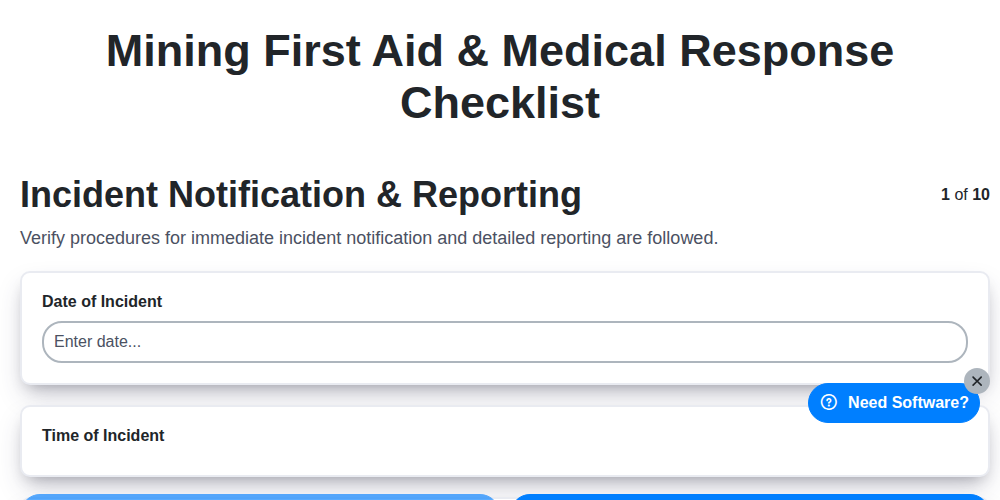
Table of Contents
- Why a First Aid & Medical Response Checklist is Crucial for Mining Operations
- 1. Incident Notification & Reporting: The Foundation of a Rapid Response
- 2. First Aid Kit Inspection & Replenishment: Ensuring Readiness
- 3. Emergency Contact Information: Keeping Critical Contacts Accessible
- 4. Medical Personnel Availability & Roles: Defining Responsibilities
- 5. First Aid Response Procedures: A Step-by-Step Guide
- 6. Communication Systems: Maintaining Clear Lines of Contact
- 7. Evacuation Procedures & Assembly Points: Safe & Efficient Evacuation
- 8. Ongoing Review & Improvement: Training Records & Incident Debriefing
- Resources & Links
TLDR: Keep your mine safe and compliant! This checklist template ensures you've got all your first aid and medical response procedures covered - from kit inspections and emergency contacts to training verification and post-incident reviews. It's a simple way to proactively manage risk and be prepared for any situation.
Why a First Aid & Medical Response Checklist is Crucial for Mining Operations
Mining operations inherently present significant risks, from equipment malfunctions and falls to rock bursts and exposure to hazardous substances. A single incident can quickly escalate into a major emergency, and a well-prepared medical response is critical to minimizing harm and protecting lives. That's where a comprehensive First Aid & Medical Response Checklist becomes absolutely crucial.
It's not enough to simply have a first aid kit. A checklist ensures consistent, proactive management of all aspects of your medical response plan. Think of it as a roadmap for preparedness. Without it, vital steps can be overlooked, leading to delayed response times, inadequate equipment, and increased risk to personnel. A checklist instills a culture of safety, demonstrates due diligence, and provides documented proof of your commitment to employee well-being - a necessity for regulatory compliance and risk mitigation. Ultimately, it's about proactively preventing a bad situation from becoming a tragedy.
1. Incident Notification & Reporting: The Foundation of a Rapid Response
When an incident occurs, the first few minutes are critical. A swift and accurate notification and reporting process can drastically impact the outcome, potentially minimizing injuries and preventing escalation. This isn't just about paperwork; it's about triggering the right resources and initiating a coordinated response.
Your incident notification and reporting system should be clear, concise, and easily accessible to everyone on site. Consider multiple reporting channels - phone, radio, designated online forms - to ensure accessibility regardless of the situation. The initial notification should include essential details: the type of incident, location, number of people affected (if known), and the severity of the situation.
Following the initial notification, a detailed report needs to be completed. This report should capture all relevant information, including witness statements, contributing factors (if immediately apparent), and actions taken. Keep records organized and readily available for review and potential investigations. Regularly review and update your notification procedures - are they intuitive? Are they followed consistently? A flawed notification process can delay critical aid and compromise safety.
2. First Aid Kit Inspection & Replenishment: Ensuring Readiness
A well-stocked and maintained first aid kit is the cornerstone of any effective safety program. It's not enough to simply have a kit; regular inspections and replenishment are crucial to ensure its contents are usable and readily available when needed.
What to Check:
- Expiry Dates: This is paramount. Check expiry dates on all medications (pain relievers, antiseptic wipes, burn cream, etc.), sterile dressings, and saline solutions. Discard anything expired immediately.
- Quantity: Ensure sufficient quantities of essential items are present based on the size of your workforce and potential hazards. Consider restocking commonly used items more frequently.
- Condition: Examine bandages, gauze, and other dressings for damage or contamination. Replace any that are torn, dirty, or compromised.
- Completeness: Compare the kit's contents against a comprehensive checklist (often provided by the manufacturer or regulatory bodies). This ensures nothing vital is missing.
- Organization: A disorganized kit is a useless kit. Arrange items logically, clearly labeled, and easily accessible.
Replenishment:
- Establish a System: Assign responsibility for regular inspections and restocking.
- Record Usage: Maintain a log of items used so you know what to prioritize for restocking.
- Supplier Relationship: Have a reliable supplier for quick replenishment.
- Frequency: Conduct thorough inspections at least monthly, and more frequently in high-risk environments or after incidents.
Pro-Tip: Include a small, laminated card within the kit listing the date of the last inspection and who conducted it. This provides a quick visual reminder and promotes accountability.
3. Emergency Contact Information: Keeping Critical Contacts Accessible
In a medical emergency, every second counts. Fumbling through phone books or trying to recall names and numbers can waste precious time and exacerbate the situation. That's why readily available and organized emergency contact information is absolutely vital.
This isn't just about having a list; it's about ensuring it's accessible to everyone who might need it. Consider these key points:
- Multiple Locations: Don't rely on a single sheet taped to a wall. Post lists in prominent, easily visible locations - near first aid stations, in common areas, and even digitally (on shared devices with controlled access).
- Comprehensive List: Include not only emergency services (police, fire, ambulance) but also key personnel: site supervisors, medical professionals on-site (if applicable), and designated contacts for family notification.
- Clear Format: Use a clear, easy-to-read format. Include names, titles, phone numbers, and any relevant notes (e.g., On-site Nurse).
- Regular Updates: Contact information changes. Designate someone responsible for regularly reviewing and updating the list-at least quarterly or whenever a personnel change occurs. Outdated information is useless information.
- Digital Backup: Having a secure digital copy provides redundancy and allows for quick access from mobile devices. Ensure only authorized personnel have access to this digital version.
Properly maintained emergency contact information is a foundational element of a robust first aid and medical response plan.
4. Medical Personnel Availability & Roles: Defining Responsibilities
Having a well-stocked first aid kit and established procedures is only half the battle. Equally critical is knowing who is available and qualified to provide medical assistance when an incident occurs. This section focuses on clearly defining roles and ensuring sufficient personnel are trained and ready to respond.
Beyond Just a Trained Person: Don't simply identify someone who took a first aid course. Define specific roles with clear responsibilities. Consider roles like:
- First Responder: The initial person on the scene, responsible for immediate assessment and basic life support.
- First Aider: Individuals trained in more advanced first aid techniques, capable of handling a wider range of injuries.
- Medical Team Lead: If multiple personnel are available, designate a leader to coordinate efforts and communicate with external medical services.
- Communication Liaison: Someone specifically responsible for contacting emergency services and relaying information.
Maintaining Records and Skills: Regularly update the list of available personnel and their certifications. Expiration dates on training should be strictly monitored and refresher courses scheduled proactively. Knowing who is currently qualified and their skill level is essential for appropriate response.
Contingency Planning: What happens if your designated first aider is unavailable? Have backup personnel identified and cross-trained to ensure continuous coverage. A robust plan accounts for unforeseen circumstances and ensures medical response capabilities aren't compromised.
Regular Review: Periodically review the assigned roles and personnel to account for changes in staffing, skills, and experience.
5. First Aid Response Procedures: A Step-by-Step Guide
When an incident occurs, swift and effective first aid is crucial. This isn't just about applying a bandage; it's about a structured approach that prioritizes safety and ensures the best possible outcome for the injured person. Here's a breakdown of essential first aid response procedures to follow:
1. Assess the Scene - Safety First!
Before approaching the injured person, always assess the surrounding environment. Is it safe? Are there hazards like traffic, falling debris, or chemical spills? If the scene is unsafe, do not enter - call for professional help. Your safety is paramount.
2. Primary Survey - Life-Threatening Issues
Once the scene is safe, perform a primary survey. This involves quickly checking for:
- Responsiveness: Gently shake the person and ask, Are you okay?
- Airway: Ensure the airway is open. If blocked, try to clear it (only if trained).
- Breathing: Look, listen, and feel for breathing. If absent, begin rescue breathing (if trained).
- Circulation: Check for signs of circulation, like a pulse. Severe bleeding needs immediate attention.
3. Secondary Survey - Detailed Assessment
After addressing any immediate life threats, conduct a more detailed secondary survey. This includes:
- Head-to-toe Examination: Look for any injuries, deformities, or signs of pain.
- Gather Information: Ask the person (or bystanders) about how the injury occurred, any pre-existing medical conditions, and allergies.
- Treat Injuries: Provide appropriate first aid based on the injuries identified (e.g., cleaning and bandaging wounds, immobilizing fractures - only if trained).
4. Ongoing Monitoring
Continuously monitor the person's condition, including their level of consciousness, breathing, and pulse. Be prepared to adjust treatment as needed.
5. Documentation
Carefully document all actions taken, observations made, and information gathered. This is vital for continuity of care and potential legal considerations.
Important Note: This guide provides a general overview. Always follow your company's specific first aid protocols and seek further training to develop the necessary skills and confidence to respond effectively in emergency situations.
6. Communication Systems: Maintaining Clear Lines of Contact
In a mining environment, where hazards are present and rapid response is critical, reliable communication isn't just beneficial-it's essential for survival. A breakdown in communication can delay crucial assistance, escalate a situation, and potentially lead to serious consequences. Your first aid and medical response checklist must rigorously assess and maintain your communication systems.
Here's what to consider:
- Radio Functionality: Regularly test all radios used for emergency communication. Ensure batteries are charged, antennas are in good condition, and everyone understands the proper channels and protocols. Conduct simulated drills to test clarity and range.
- Cell Phone Coverage: While not always reliable in mines, identify areas with cell phone coverage and ensure designated personnel have access to these locations. Have backup power sources for phones if necessary.
- Alternative Communication Methods: Develop and document alternative communication strategies if radio or cell phone communication fails. This might include runner systems, designated signal points, or pre-arranged hand signals.
- Communication Protocols: Ensure everyone on the team is familiar with communication protocols, including how to report incidents, request assistance, and relay critical information. Include designated call signs and concise reporting language.
- Public Address (PA) System: If your mine uses a PA system, verify its functionality and ensure it's accessible and understandable in all areas. Test the microphone and speaker systems regularly.
- Emergency Hotline/Contact Numbers: Clearly display and regularly update emergency contact numbers for external medical services, rescue teams, and relevant authorities.
A well-maintained communication system provides a vital link between the incident site and the support network, ensuring a swift and effective response in any emergency.
7. Evacuation Procedures & Assembly Points: Safe & Efficient Evacuation
A well-defined and practiced evacuation plan is crucial for ensuring everyone's safety during an emergency. It's more than just knowing the exits; it's about having a coordinated response that minimizes panic and maximizes efficiency.
Clearly Defined Routes: Your evacuation plan should detail primary and secondary escape routes from all areas of the site. These routes should be well-lit, unobstructed, and clearly marked with signage. Regularly inspect these routes to ensure they remain clear of any obstacles.
Designated Assembly Points: Establish specific, pre-determined assembly points away from the incident location. These points should be accessible and large enough to accommodate all personnel. Clearly mark these assembly points with signs. Consider multiple assembly points to account for varying locations within the site.
Roles & Responsibilities: Assign specific personnel with responsibilities during evacuation, such as guiding people, taking headcounts, and assisting those with disabilities. Clearly define these roles and ensure those individuals are trained.
Regular Drills: Conduct regular evacuation drills - at least annually, and ideally more frequently - to familiarize everyone with the procedures. These drills should simulate different scenarios and allow for adjustments to the plan based on observations. Debrief after each drill to identify areas for improvement.
Communication During Evacuation: Establish a clear communication system for directing personnel during an evacuation. This might include verbal instructions, alarms, or designated messengers. Ensure everyone understands how to receive and act on instructions.
Accountability: A crucial element of any evacuation plan is accountability. At the assembly point, a designated person should conduct a headcount to ensure everyone is accounted for. Report any missing individuals to the incident command team immediately.
8. Ongoing Review & Improvement: Training Records & Incident Debriefing
A static checklist is only as effective as its continued relevance. Regular review and improvement are absolutely critical for maintaining a robust First Aid & Medical Response plan. This isn't a "set it and forget it" process.
Training Records Verification - A Living Document: Don't just file those training certificates away! Regularly (at least annually, or more frequently if personnel change) verify that all team members are current in their certifications (CPR, First Aid, advanced medical training, etc.). Outdated training renders your responders less effective and potentially puts individuals at risk. Keep a clear, accessible system for tracking expiry dates and scheduling refresher courses.
The Power of Incident Debriefing: After every incident, regardless of severity, a thorough debriefing is essential. This isn't about blame; it's about learning. Gather the responding team (and potentially other relevant stakeholders) to discuss:
- What went well? Identify strengths and positive aspects of the response.
- What could have been improved? Be honest and specific about areas needing attention - communication breakdowns, equipment failures, procedural gaps.
- Were the procedures effective? Did the checklist guide the response appropriately?
- What changes should be made to the checklist or procedures? Document all recommendations.
These debriefing outcomes should directly inform updates to the First Aid & Medical Response checklist and associated protocols. This cyclical process of incident, review, improvement, and re-training creates a constantly evolving system that's better equipped to handle future emergencies. Remember, each incident is an opportunity to refine your preparedness.
Resources & Links
- Occupational Safety and Health Administration (OSHA): OSHA provides regulations, guidance, and resources for workplace safety, including specific standards for mining operations. A key resource for understanding legal requirements and best practices in mining safety, including first aid and medical response.
- Mine Safety and Health Administration (MSHA): MSHA is the primary federal agency responsible for ensuring the safety and health of miners. Their website contains regulations, training materials, statistics, and best practices tailored specifically to the mining industry, including requirements for first aid and emergency medical care.
- American Red Cross: The Red Cross offers a wide range of first aid and CPR training courses, which are essential for ensuring employees are adequately prepared for medical emergencies. They also provide resources and information on disaster preparedness.
- St John Ambulance (Australia): Similar to the Red Cross, St John Ambulance provides first aid training and resources. While specific to Australia, their principles and best practices are generally applicable to mining operations globally, offering insights into creating robust first aid programs.
- Centers for Disease Control and Prevention (CDC): The CDC offers resources on infectious diseases and general health and safety best practices, which can be integrated into mining safety protocols. Relevant to dealing with potential injuries and illnesses in the mining environment.
- International Organization for Standardization (ISO): While not directly focused on mining, ISO standards (e.g., ISO 45001 for occupational health and safety management) provide a framework for developing and implementing comprehensive safety management systems that incorporate first aid and medical response protocols.
- Mining Industry Consultants Australasia (MICA): MICA is a consultancy providing tailored resources and expertise in mining safety. Although regionally focused, their advice and best practices can be valuable for improving first aid and medical response capabilities.
- The Institutes: The Institutes offers resources and training related to risk management, including health and safety risk assessment, critical for planning and implementing effective first aid and medical response systems.
- Health and Safety Executive (HSE - UK): The UK's HSE provides comprehensive health and safety guidance, many of which are relevant to mining operations, offering insights into incident reporting and emergency response planning, applicable globally.
- Firms Consulting: Firms Consulting provides specialist health and safety consulting for the mining sector, particularly in incident investigation and emergency response, offering potential assistance with incident debriefing and improvement processes, important for ongoing checklist refinement.
Frequently Asked Questions
What is the purpose of this First Aid & Medical Response Checklist Template?
This template provides a structured guide to ensure rapid and effective medical response in mining environments. It helps teams consistently follow best practices, reducing response time and potentially mitigating injuries or fatalities.
Who is this checklist template for?
This template is designed for mining supervisors, first aid responders, medical personnel, and safety teams involved in developing and implementing medical response plans for mining operations. It's beneficial for both experienced and new responders.
What types of incidents does this checklist cover?
The checklist covers a wide range of potential mining incidents, including but not limited to falls, crush injuries, burns, chemical exposures, respiratory distress, and musculoskeletal injuries. It's adaptable to specific hazards at your site.
How do I customize the template for my specific mine site?
The template is designed to be customizable. Review each section and adapt the actions and equipment lists to reflect your mine's specific hazards, procedures, equipment, and team capabilities. Add site-specific information and emergency contact details.
What is the importance of scene assessment in this checklist?
Scene assessment is critical. It ensures responder safety, identifies hazards, and allows for the proper triage and resource allocation. Failing to properly assess the scene can put responders at risk and compromise the victim's care.
The checklist mentions 'ABCDE' - what does this refer to?
ABCDE stands for Airway, Breathing, Circulation, Disability, and Exposure. It's a standard assessment framework for initial patient evaluation, prioritizing life-threatening conditions.
What type of personal protective equipment (PPE) should first responders wear?
The checklist outlines essential PPE. This generally includes hard hats, eye protection, respiratory protection (if needed), gloves, and appropriate footwear. Always assess the scene for additional hazards that may require specialized PPE.
How should I handle hazardous materials (HazMat) incidents?
The checklist emphasizes contacting HazMat specialists and following established protocols. Do not attempt to handle HazMat incidents without proper training and equipment. Secure the area and prevent further exposure.
What is the significance of post-incident reporting and review?
Post-incident reporting and review are essential for continuous improvement. Analyzing what happened, identifying contributing factors, and revising procedures can help prevent similar incidents from occurring in the future.
Where can I find additional training resources for mining first aid and medical response?
Your company's safety department should be your first point of contact. Additional resources can be found through organizations like the National Mine Health and Safety Academy (MHSAN), the Mine Safety and Health Administration (MSHA), and reputable first aid training providers.
Comments
There are no comments yet. Be the first to add one!
Mining Management Solution Demo
Maximize efficiency & safety in mining operations! ChecklistGuro streamlines task management, equipment tracking, and compliance reporting. Optimize workflows, reduce risk, & boost productivity. Manage it all with our Work OS.
Related Articles
Ensuring Mine Safety: Your Geotechnical Stability Checklist Guide
Ensuring Safety & Efficiency: Your Mine Haul Road Inspection Checklist Guide
Mastering Mine Safety: Your Guide to the Ground Control Checklist
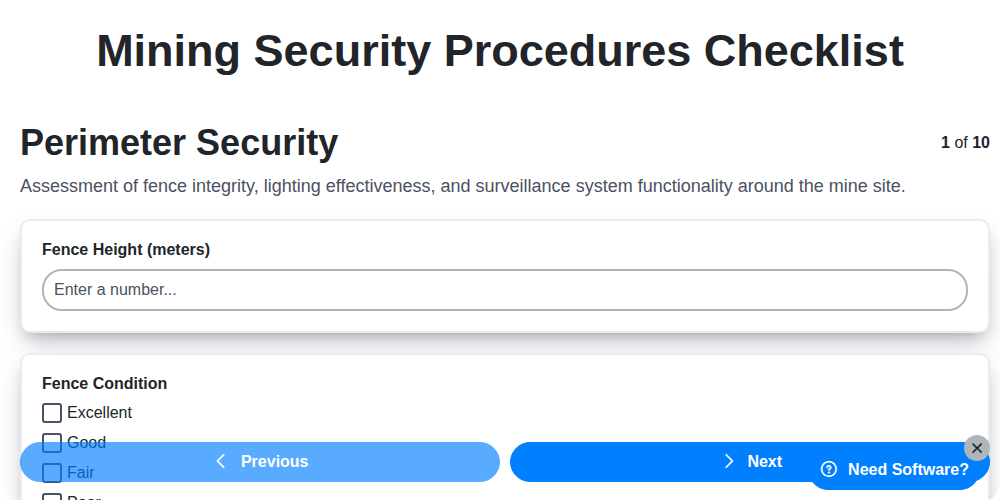
Mining Security Procedures Checklist: A Comprehensive Template for Safety
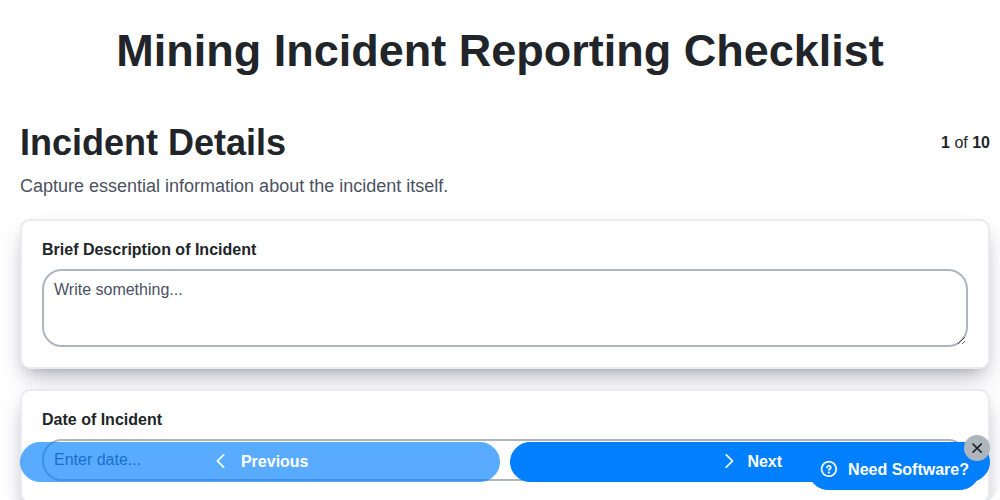
Ensuring Safety: Your Mining Incident Reporting Checklist Guide
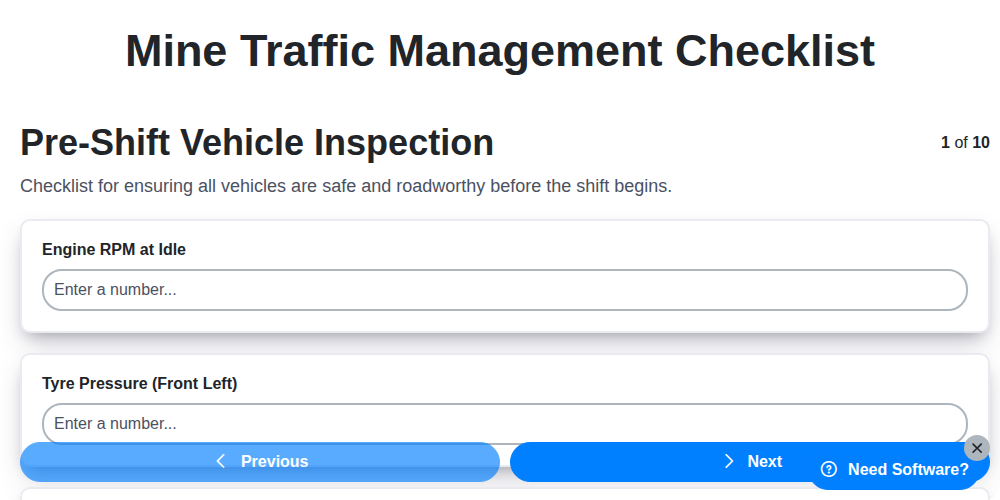
Ensuring Safety Underground: Your Mine Traffic Management Checklist Guide
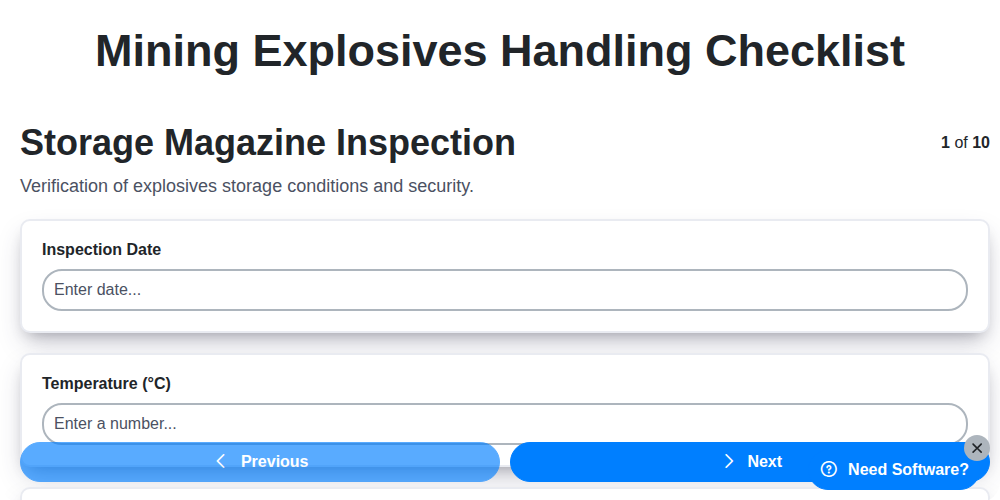
Ensuring Safety: Your Mining Explosives Handling Checklist Template
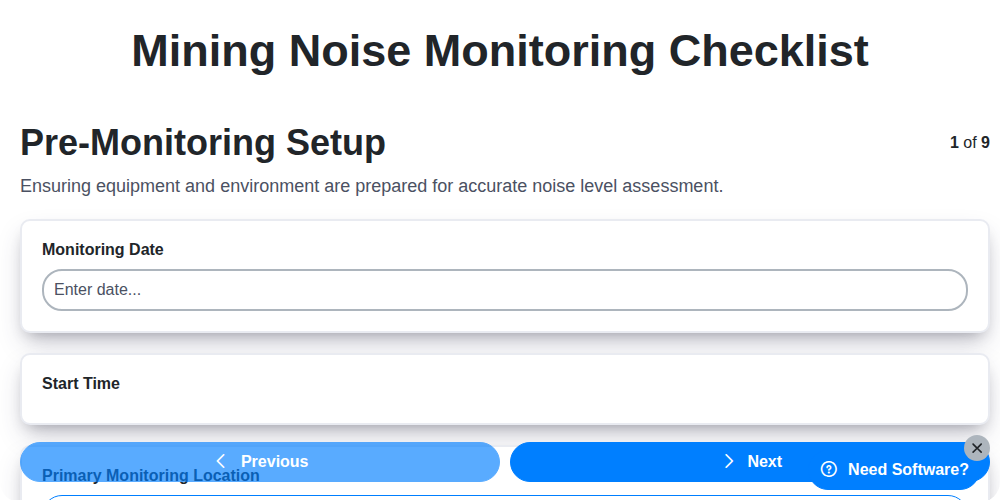
Ensuring Safety & Compliance: Your Mining Noise Monitoring Checklist Guide
Need help with
Mining Management?
Have a question? We're here to help. Please submit your inquiry, and we'll respond promptly.