Mining Permit Compliance Checklist: Your Guide to Staying on Track
Published: 11/20/2025 Updated: 07/02/2026
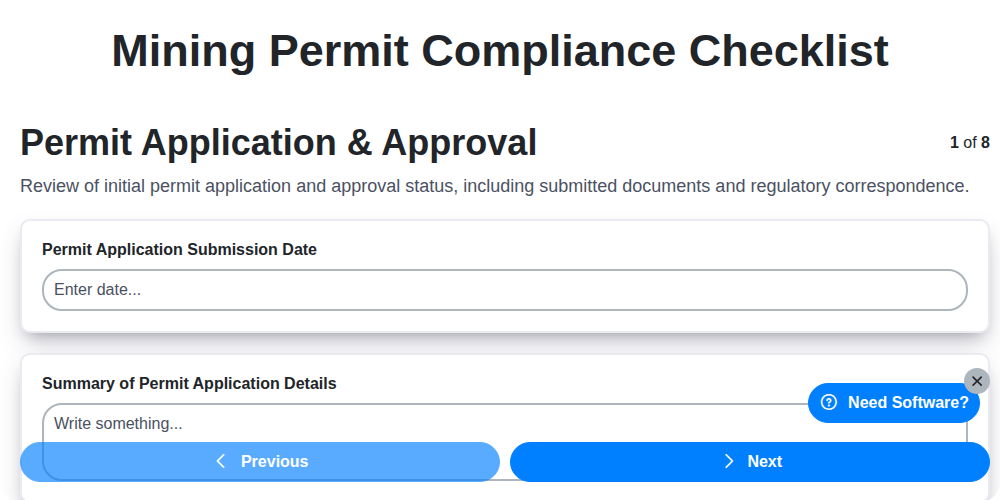
Table of Contents
- Introduction: Why Mining Permit Compliance Matters
- 1. Permit Application & Approval: Laying the Foundation
- 2. Environmental Monitoring: Keeping a Constant Watch
- 3. Waste Management: Responsible Handling of Materials
- 4. Rehabilitation & Reclamation: Restoring the Land
- 5. Reporting & Record Keeping: Documenting Your Actions
- 6. Inspections & Audits: Preparing for Scrutiny
- 7. Emergency Response & Permit Notifications: Being Prepared & Proactive
- Resources & Links
TLDR: Mining permits are complex! This checklist template breaks down compliance into key areas (application, monitoring, waste, reclamation, reporting, inspections, emergencies, and notifications) to help you stay organized, avoid penalties, and ensure responsible mining practices. Download it and tailor it to your specific permit conditions!
Introduction: Why Mining Permit Compliance Matters
Mining operations are vital for supplying the raw materials that underpin modern society. However, the process of extracting these resources can have significant environmental and social impacts if not managed responsibly. Obtaining and adhering to a mining permit isn't just about ticking boxes; it's a crucial legal and ethical obligation. Non-compliance can lead to hefty fines, operational shutdowns, reputational damage, and, most importantly, harm to the environment and local communities. This blog post will focus on a critical tool for ensuring you stay on the right track: a comprehensive Mining Permit Compliance Checklist. Understanding the 'why' behind meticulous compliance - safeguarding ecosystems, protecting public health, and maintaining a sustainable operation - is the first step towards responsible mining.
1. Permit Application & Approval: Laying the Foundation
Securing a mining permit is the crucial first step in any mining operation, and the application process itself is a significant undertaking. This isn't just about filling out forms; it's about demonstrating to regulatory bodies that you understand the scope of your project and have considered the potential environmental and social impacts.
What's Involved?
A robust permit application typically demands detailed information, including:
- Project Description: A thorough explanation of the mining operation, including the type of mineral, extraction methods, and scale of the project.
- Site Assessment: Comprehensive geological and hydrological reports outlining the site's characteristics and potential impacts.
- Environmental Impact Assessment (EIA): A critical document predicting and mitigating environmental consequences. This often requires baseline studies and modeling.
- Financial Assurance: Demonstrating financial resources to cover potential liabilities and reclamation costs.
- Community Engagement: Evidence of consultation and agreement with local communities affected by the project.
Staying Compliant Throughout the Approval Stage:
- Accuracy & Completeness: Double-check all information for accuracy and ensure all required documentation is included. Missing or inaccurate information will cause delays.
- Proactive Communication: Maintain open communication with regulatory agencies, addressing questions and concerns promptly.
- Understanding Regulations: Familiarize yourself thoroughly with all applicable federal, state, and local mining regulations.
- Seeking Expert Advice: Engage qualified professionals (environmental consultants, engineers, lawyers) to assist with the application process and ensure compliance.
Failing to lay a solid foundation with a well-prepared and approved permit can lead to significant operational delays, fines, and reputational damage. This initial stage is about establishing a transparent and compliant approach from the very beginning.
2. Environmental Monitoring: Keeping a Constant Watch
Mining operations inherently impact the surrounding environment, making robust environmental monitoring absolutely critical for permit compliance. This isn't just about ticking a box; it's about actively understanding and mitigating potential impacts. Your permit will outline specific parameters to monitor - these will likely include water quality (surface and groundwater), air quality (dust, emissions), noise levels, and potentially soil contamination, vegetation health, and aquatic life.
A well-defined monitoring program should include:
- Baseline Data Collection: Before mining commences, establish a thorough baseline of environmental conditions. This provides a crucial point of reference to compare against during operations.
- Regular Sampling and Analysis: Consistent sampling schedules, adhering precisely to your permit requirements, are essential. Using certified laboratories ensures data accuracy and reliability.
- Monitoring Locations: Carefully select monitoring locations that represent potential impact zones - near water bodies, sensitive ecosystems, and populated areas.
- Data Management: Implement a system to securely store, organize, and analyze monitoring data. Trending data helps identify emerging issues before they escalate.
- Adaptive Management: Be prepared to adjust your mining practices based on monitoring results. This demonstrates a commitment to environmental protection and allows for proactive problem-solving.
- Qualified Personnel: Ensure monitoring is conducted by trained and qualified personnel who understand the methods and can accurately interpret the data.
Failing to adequately monitor and document environmental conditions can lead to permit violations, fines, and operational delays.
3. Waste Management: Responsible Handling of Materials
Mining operations generate a variety of waste materials, from overburden rock and tailings to process chemicals and contaminated water. Effective waste management isn't just about complying with regulations; it's crucial for protecting the environment, minimizing risks to human health, and fostering positive community relations. This section of your compliance checklist focuses on ensuring responsible handling throughout the entire mining lifecycle.
Key Considerations & Checklist Items:
- Waste Characterization: Accurately identify and classify all waste streams generated on-site. This informs appropriate handling and disposal methods.
- Segregation & Storage: Implement systems for separating hazardous and non-hazardous waste. Ensure designated, secure storage areas with appropriate containment measures to prevent leaks or spills.
- Tailings Management: This is a critical area. Your checklist must detail your tailings storage facility (TSF) design, construction, operation, and monitoring procedures. Include assessments for stability, seepage, and potential impacts on water quality. Regularly review and update your tailings management plan.
- Overburden Management: Document plans for overburden rock removal, stockpiling, and potential future use (e.g., backfilling). Minimize the area disturbed and consider incorporating overburden into reclamation efforts.
- Hazardous Waste Disposal: Strict adherence to regulations regarding the handling and disposal of hazardous materials. This includes proper labeling, manifesting, and utilizing approved disposal facilities.
- Water Management: Address wastewater treatment and disposal processes, ensuring compliance with discharge limits and minimizing impacts on surface and groundwater resources.
- Waste Reduction & Recycling: Explore opportunities to reduce waste generation and implement recycling programs where feasible.
- Employee Training: Regularly train employees on proper waste handling procedures and potential environmental risks.
Documentation is Key: Maintain detailed records of all waste management activities, including waste characterization data, disposal manifests, training records, and inspection reports.
4. Rehabilitation & Reclamation: Restoring the Land
Mining operations inevitably impact the landscape. A robust rehabilitation and reclamation plan isn't just good practice; it's a legal requirement tied to your mining permit. This section focuses on restoring the disturbed areas to a stable and, ideally, productive state after mining activities cease.
Key Considerations & Checklist Items:
- Detailed Plan Development: Your permit likely mandates a detailed rehabilitation plan, often submitted and approved before mining commences. Ensure this plan is comprehensive, outlining specific techniques for topsoil handling, vegetation establishment (native species are generally preferred), and erosion control.
- Topsoil Management: Proper topsoil storage and replacement are critical. Document the depth, characteristics, and storage location of topsoil removed during the initial phases. Plan for timely replacement and amendment to ensure successful revegetation.
- Vegetation Establishment: Select plant species appropriate for the climate, soil conditions, and intended post-mining land use. Seedling survival rates need to be monitored and addressed with remedial actions as needed. Consider using a phased approach, prioritizing erosion control first, then introducing a diverse range of vegetation.
- Erosion & Sediment Control: Implement best management practices (BMPs) like silt fences, contouring, and terracing to prevent erosion and sedimentation of waterways. Regular inspection and maintenance of these controls are essential.
- Water Management: Post-mining water quality can be a significant concern. Plan for water treatment and diversion systems to ensure that runoff is managed responsibly and doesn't pollute nearby resources.
- Monitoring & Success Criteria: Establish clear success criteria for rehabilitation, such as vegetation cover percentage, erosion rates, and water quality parameters. Regular monitoring is vital to track progress and identify areas requiring corrective actions.
- Long-Term Maintenance: Rehabilitation isn't a one-time effort. A long-term maintenance plan should address ongoing erosion control, vegetation management, and potential issues that may arise years after mining concludes. Document all maintenance activities.
Failing to adequately rehabilitate and reclaim the land can lead to permit violations, fines, and legal action. Consistent adherence to your approved plan and diligent record-keeping are paramount.
5. Reporting & Record Keeping: Documenting Your Actions
Robust reporting and meticulous record keeping are cornerstones of mining permit compliance. They provide a clear audit trail, demonstrating your adherence to permit conditions and providing critical data for ongoing operational improvements. Don't underestimate the importance of this step - deficiencies here are a common trigger for regulatory scrutiny.
What needs to be documented?
This isn't just about keeping invoices. You need a system for recording everything related to your permit compliance. This includes:
- Environmental Monitoring Data: All data collected from water quality, air quality, noise level, and soil sampling - including dates, times, methods, equipment used, and analyst qualifications.
- Waste Management Records: Manifests for waste disposal, inventory of hazardous materials, and documentation of waste reduction initiatives.
- Rehabilitation and Reclamation Activities: Photos, progress reports, contractor invoices, and details of plant species used.
- Inspection Records: Dates, findings, corrective actions taken, and personnel involved.
- Training Records: Evidence of employee training on safety procedures, environmental regulations, and permit conditions.
- Communication Logs: Records of correspondence with regulatory agencies, contractors, and other stakeholders.
- Incident Reports: Detailed accounts of any environmental incidents or non-compliance events.
Best Practices:
- Digitalization: Embrace digital record-keeping solutions whenever possible. This increases accessibility, reduces the risk of lost documents, and facilitates data analysis.
- Retention Policy: Establish a clear retention policy outlining how long records must be stored and how they are disposed of. Consult with your regulatory agency for specific requirements.
- Accessibility: Ensure records are easily accessible to authorized personnel and regulatory inspectors.
- Accuracy & Completeness: Emphasize the importance of accurate and complete data entry. Regular checks and quality control measures are vital.
Consistent and organized reporting and record keeping demonstrates your commitment to responsible mining practices and significantly strengthens your compliance posture.
6. Inspections & Audits: Preparing for Scrutiny
Mining permit compliance isn't just about ticking boxes; it's about demonstrating a commitment to responsible and sustainable operations. Regular inspections and audits are a vital component of this, ensuring adherence to permit conditions and identifying areas for improvement. These can come from regulatory bodies (government agencies) and internal company teams.
What to Expect:
- Regulatory Inspections: These are typically unannounced (though sometimes scheduled) and focused on verifying compliance with the permit and related regulations. Inspectors will examine records, observe operations, and may take samples for analysis. Be prepared for detailed questioning and the potential for corrective action requests.
- Internal Audits: These are conducted by your own team, often on a pre-determined schedule. They serve as a proactive measure to identify and rectify issues before an external inspection occurs. They also demonstrate a commitment to continuous improvement.
Key Preparation Steps:
- Maintain Impeccable Records: Ensure all records related to environmental monitoring, waste management, rehabilitation, and reporting are organized, readily accessible, and accurate. This is your best defense in case of discrepancies.
- Employee Training: Your team needs to be thoroughly trained on permit conditions, inspection procedures, and reporting requirements. They are your frontline representatives during inspections.
- Mock Inspections: Conduct internal mock inspections to simulate the real thing. This allows you to identify weaknesses in your systems and train your team in a low-pressure environment.
- Corrective Action Tracking: Have a robust system for tracking corrective actions stemming from both internal and external inspections. Demonstrate that issues are not only identified but also effectively addressed and prevented from reoccurring.
- Open Communication: Foster an open and transparent communication channel between your operations team, environmental specialists, and management. This facilitates early identification of potential issues and ensures everyone is on the same page.
By proactively preparing for inspections and audits, you're not only minimizing risks but also strengthening your reputation as a responsible mining operator.
7. Emergency Response & Permit Notifications: Being Prepared & Proactive
Mining operations inherently carry risks, and having a robust emergency response plan is not just a best practice, it's a legal requirement under most mining permits. This isn't just about putting a plan on paper; it's about ensuring your team is trained, equipment is readily available, and procedures are regularly reviewed and practiced.
Your emergency response plan should cover potential scenarios such as:
- Unexpected Releases: Spills of chemicals, tailings breaches, or other uncontrolled releases.
- Natural Disasters: Floods, wildfires, earthquakes, or other regional events.
- Equipment Failure: Accidents involving machinery that could impact the environment or personnel.
- Injuries & Accidents: Plans for immediate response and notification procedures.
Key elements of a compliant emergency response section often include:
- Clearly Defined Roles & Responsibilities: Who does what in an emergency?
- Communication Protocols: How will you notify personnel, regulatory agencies, and the community? (Consider primary and backup communication methods).
- Evacuation Procedures: Safe and efficient evacuation plans for all personnel.
- Containment & Cleanup Strategies: Resources and protocols for mitigating environmental damage.
- Regular Drills & Training: Frequent practice to ensure everyone understands their roles and the plan's effectiveness.
Permit Notifications are equally crucial. Your permit will outline specific notification requirements for various emergencies, often with strict timelines. Understand these timelines precisely. Failing to notify the relevant authorities within the specified timeframe can result in significant penalties and damage to your reputation. Ensure designated personnel are aware of their notification duties and have direct contact information for the appropriate regulatory bodies. Document all notifications meticulously.
Proactive measures are vital. Regularly review your emergency response plan and update it based on lessons learned from drills, near misses, and changes in operations or environmental conditions. A well-prepared and actively maintained emergency response system not only ensures compliance but, more importantly, protects people, the environment, and the long-term viability of your mining operation.
Resources & Links
- Mine Safety and Health Administration (MSHA): The primary federal agency responsible for mine safety and health regulations. This site offers regulations, training materials, and enforcement data crucial for compliance.
- United States Environmental Protection Agency (EPA): Provides resources on environmental regulations applicable to mining, including water quality, air emissions, and hazardous waste management. Find guidance documents and permitting information.
- United States Geological Survey (USGS): Offers scientific data and information about minerals, geology, and hydrology, often relevant to environmental impact assessments and reclamation planning for mining operations. Useful for baseline data and predictive modeling.
- Office of Surface Mining Reclamation and Enforcement (OSMRE): Focuses specifically on surface mining operations. Provides regulations, guidance, and resources related to reclamation and responsible mining practices. Critical for permit compliance.
- Bureau of Land Management (BLM): If mining activities occur on federal land, the BLM's regulations and permits are essential. Explore their guidelines on mineral leasing and environmental protection.
- U.S. Fish and Wildlife Service (FWS): Essential if your mining operation might impact endangered species or critical habitats. This site provides information on species protection laws and environmental assessments.
- U.S. Department of State (for International Operations): If your mining operation is outside the US, this is the main portal. This site provides information on international laws and regulations that may apply to mining activities.
- International Organization for Standardization (ISO): While not legally mandated, adopting ISO standards (e.g., ISO 14001 for environmental management) can demonstrate a commitment to responsible mining and improve operational efficiency.
- National Association of Environmental Professionals (NAEP): Professional organization offering resources, training, and certifications related to environmental compliance, including mining operations. Can help find qualified environmental consultants.
- Water.org: Information about managing water resources, compliance with water use regulations, and minimizing impacts on water quality, which is vital for mining permit compliance.
- TerraScientific: Example Environmental monitoring equipment supplier providing instruments for compliance monitoring and data collection.
Frequently Asked Questions
What is a mining permit compliance checklist and why do I need one?
A mining permit compliance checklist is a detailed list of requirements, regulations, and best practices that you must adhere to in order to maintain your mining permit and operate legally. It's crucial for avoiding fines, project delays, environmental damage, and potential permit revocation.
Who needs to use this checklist?
Anyone holding a mining permit, regardless of the scale of their operation, should use this checklist. It's particularly helpful for new permit holders or those undergoing permit renewals.
What types of compliance areas are covered in the checklist?
The checklist covers a range of areas including environmental protection (water quality, air quality, reclamation), safety protocols, reporting requirements, record-keeping, and community engagement. Specific items will vary based on your permit conditions and location.
Where can I find the specific regulations and permit conditions I need to comply with?
Your permitting agency (federal, state, or local) is the primary source for your permit conditions. They will provide the specific regulations and guidelines you are bound by. This checklist serves as a tool to help you organize and track those requirements.
How often should I review and update my compliance checklist?
It's recommended to review and update your checklist at least annually, or more frequently if there are changes in regulations, permit conditions, or operational practices. Regularly scheduled audits are also beneficial.
What happens if I fail to comply with my mining permit?
Failure to comply can result in a range of penalties, including fines, project delays, enforcement actions, and potential permit revocation. It's always better to be proactive and address any compliance gaps.
Can I customize this checklist to fit my specific mining operation?
Yes, this checklist serves as a starting point. You should customize it to reflect the unique requirements and conditions specific to your mining operation and permit. Add any site-specific requirements or best practices.
What if I'm unsure about a specific compliance requirement?
Contact your permitting agency or a qualified environmental consultant. They can provide clarification and guidance on interpreting and fulfilling your compliance obligations.
Are there any resources available to help me with mining permit compliance?
Yes, many resources are available, including your permitting agency's website, industry associations, environmental consultants, and online training courses. Look for publications and tools related to best management practices for mining operations.
Comments
There are no comments yet. Be the first to add one!
Mining Management Solution Demo
Maximize efficiency & safety in mining operations! ChecklistGuro streamlines task management, equipment tracking, and compliance reporting. Optimize workflows, reduce risk, & boost productivity. Manage it all with our Work OS.
Related Articles
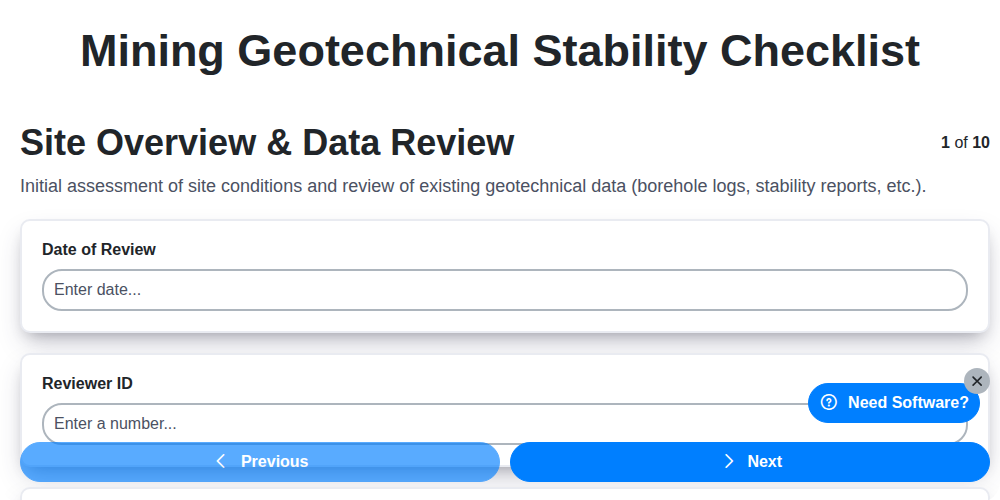
Ensuring Mine Safety: Your Geotechnical Stability Checklist Guide
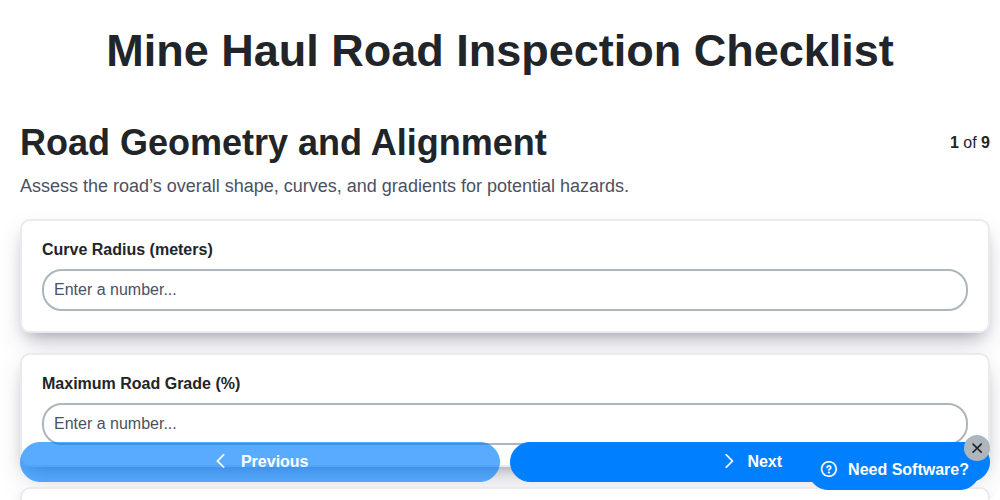
Ensuring Safety & Efficiency: Your Mine Haul Road Inspection Checklist Guide
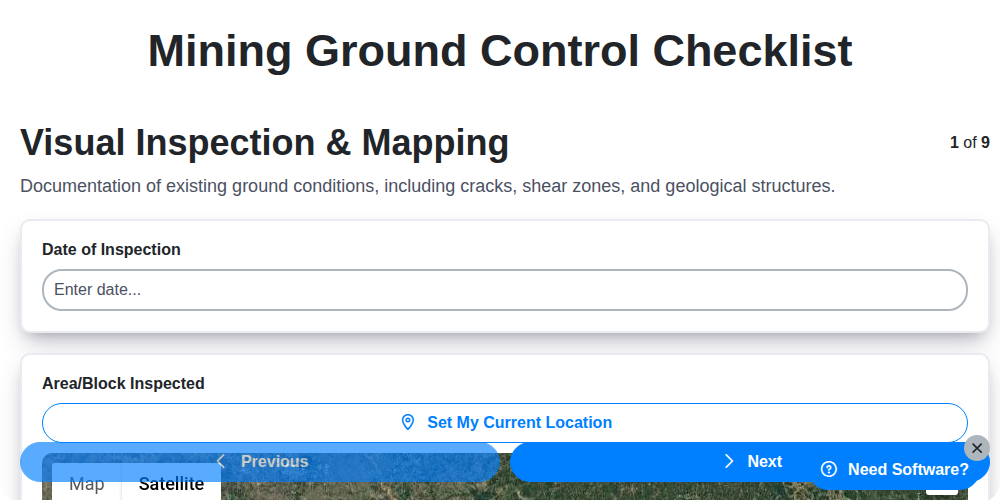
Mastering Mine Safety: Your Guide to the Ground Control Checklist
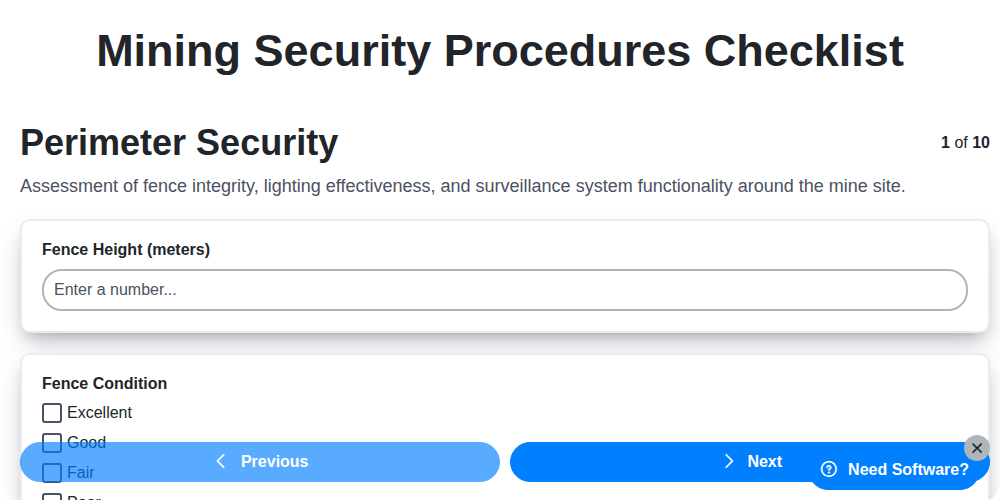
Mining Security Procedures Checklist: A Comprehensive Template for Safety
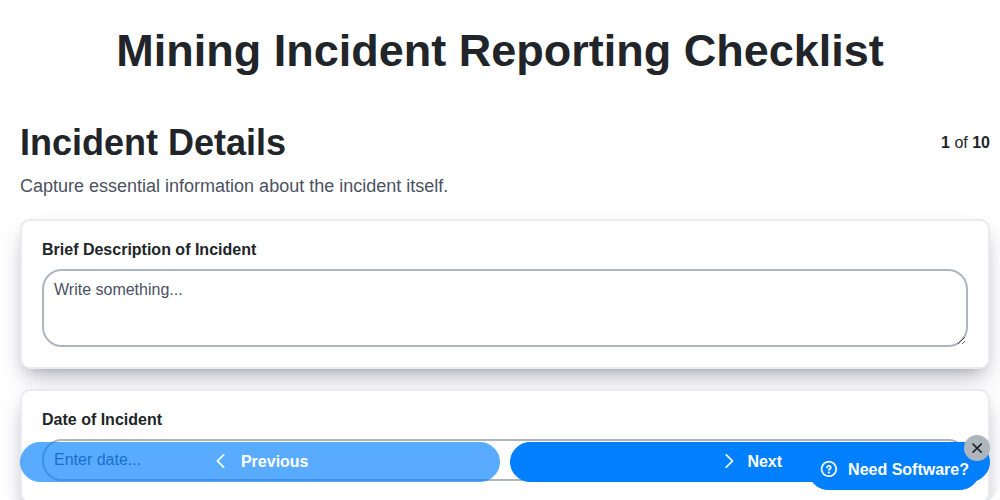
Ensuring Safety: Your Mining Incident Reporting Checklist Guide
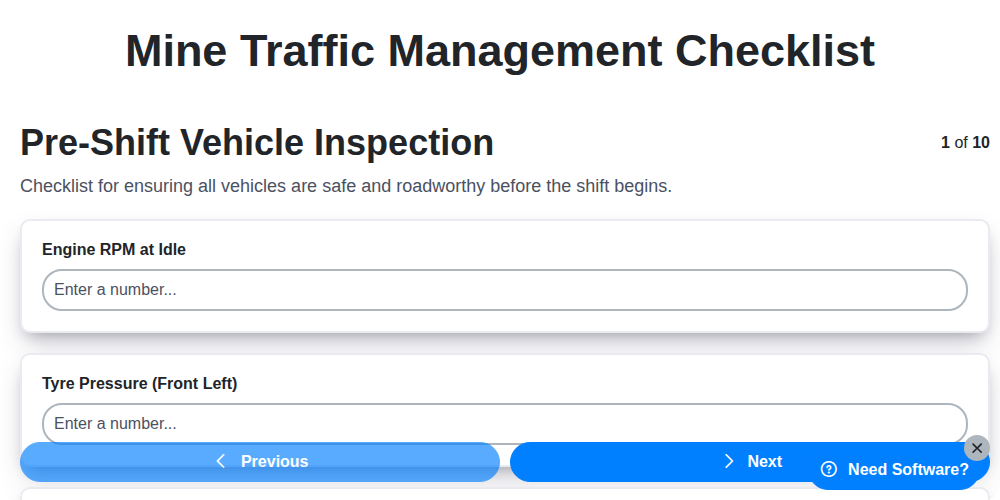
Ensuring Safety Underground: Your Mine Traffic Management Checklist Guide
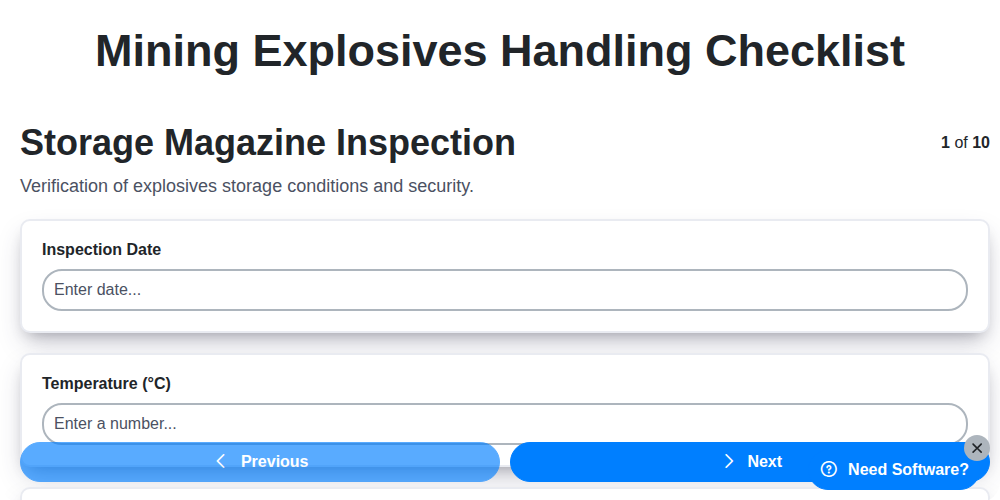
Ensuring Safety: Your Mining Explosives Handling Checklist Template
Ensuring Safety & Compliance: Your Mining Noise Monitoring Checklist Guide
Need help with
Mining Management?
Have a question? We're here to help. Please submit your inquiry, and we'll respond promptly.