Mining PPE Compliance Checklist: Your Guide to Safety and Compliance
Published: 11/22/2025 Updated: 07/02/2026
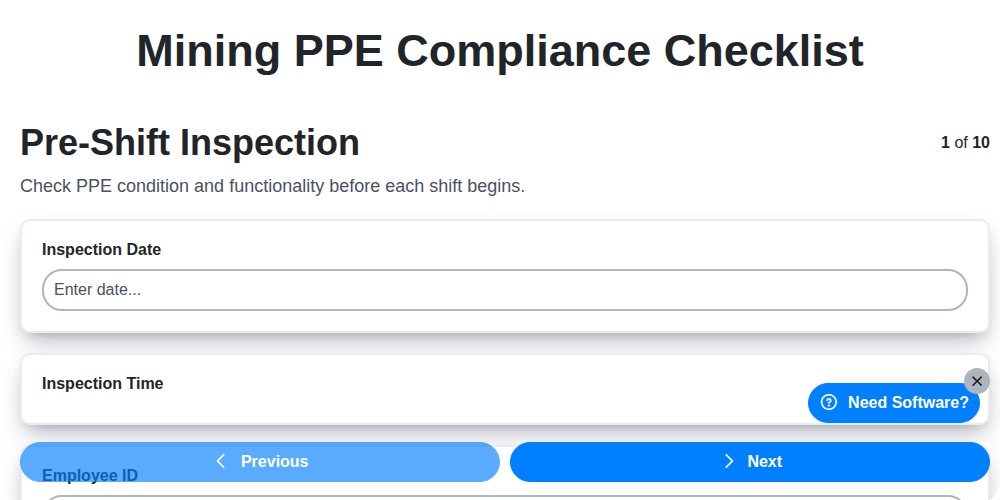
Table of Contents
- Mining PPE Compliance Checklist: Your Guide to Safety and Compliance
- Why a Mining PPE Compliance Checklist is Essential
- 1. Pre-Shift Inspection: The Foundation of Safety
- 2. Head Protection (Hard Hats): Shielding Against Impact
- 3. Eye and Face Protection: Guarding Your Vision
- 4. Respiratory Protection: Breathing Easy and Safely
- 5. Hearing Protection: Minimizing Noise Exposure
- 6. High-Visibility Clothing: Being Seen, Staying Safe
- 7. Hand Protection (Gloves): Protecting Your Grip
- 8. Foot Protection (Safety Boots): Secure Footing, Reduced Risk
- 9. Body Protection: Layering for Comprehensive Coverage
- 10. Training and Awareness: Empowering Your Team
- 11. Maintaining Your Checklist: Regular Review and Updates
- Resources & Links
TLDR: This checklist template ensures your mining team stays safe and compliant! It covers everything from hard hats and gloves to training and high-vis clothing, giving you a step-by-step guide to check PPE effectiveness, identify hazards, and minimize risks. Use it to protect your workforce and avoid costly penalties.
Mining PPE Compliance Checklist: Your Guide to Safety and Compliance
Maintaining strict adherence to Personal Protective Equipment (PPE) compliance is paramount in the mining industry. The inherent risks - from falling rock and dust inhalation to equipment hazards and noise exposure - demand a robust and consistently enforced PPE program. This checklist provides a framework for ensuring your team is properly equipped and trained to mitigate these risks. Regular and thorough adherence to this checklist contributes directly to a safer and more productive mining operation.
Here's a breakdown of key areas and necessary checks for comprehensive mining PPE compliance:
1. Pre-Shift Inspection:
- Equipment Check: Verify all PPE is available, in good working order, and readily accessible.
- Fit Assessment: Ensure each employee's PPE fits correctly and comfortably. Ill-fitting PPE is less likely to be worn correctly or provide adequate protection.
- Damage Check: Look for signs of wear, tear, cracks, or damage to all PPE items. Replace any damaged equipment immediately.
- Cleanliness: Ensure PPE is clean and sanitized, particularly respirators and face masks.
2. Head Protection (Hard Hats):
- Condition: Inspect the shell for cracks, dents, or punctures. Check the suspension system for proper attachment and functionality.
- Replacement: Replace hard hats after any impact or significant damage.
- Proper Wear: Ensure hard hats are worn correctly, positioned securely, and covering the forehead.
3. Eye and Face Protection:
- Lens Condition: Inspect lenses for scratches, cracks, or cloudiness that could impair vision.
- Fit & Seal: Ensure proper fit and seal against the face to prevent debris and splashes from entering the eyes.
- Type Selection: Confirm the correct type of eye and face protection is being used for the specific hazard (e.g., safety glasses, goggles, face shield).
4. Respiratory Protection:
- Filter/Cartridge Integrity: Regularly check and replace filters or cartridges according to manufacturer's recommendations and exposure levels.
- Fit Testing: Conduct regular fit testing to ensure a proper seal.
- Maintenance: Clean and disinfect respirators after each use.
5. Hearing Protection:
- Condition: Check earplugs or earmuffs for damage or deterioration.
- Noise Reduction Rating (NRR): Verify the NRR is appropriate for the noise levels encountered.
- Proper Insertion/Placement: Ensure correct insertion or placement for optimal noise reduction.
6. High-Visibility Clothing:
- Reflectivity: Check for damage or fading of reflective strips.
- Coverage: Ensure sufficient coverage of the body to maximize visibility.
- Cleanliness: Keep high-visibility clothing clean for optimal reflectivity.
7. Hand Protection (Gloves):
- Material Suitability: Ensure gloves are made of the appropriate material for the hazards present (e.g., cut-resistant, chemical-resistant).
- Condition: Inspect for tears, punctures, or deterioration.
- Size & Fit: Gloves should fit properly to maintain dexterity and grip.
8. Foot Protection (Safety Boots):
- Sole Condition: Inspect soles for wear and tear.
- Toe Protection: Verify toe protection is intact and functioning correctly.
- Lacing/Fastening: Ensure laces or fasteners are secure.
- Comfort: Comfortable boots are more likely to be worn consistently.
9. Body Protection:
- Condition: Inspect coveralls, vests, or other body protection for tears, abrasions, or damage.
- Appropriate Material: Ensure the material is appropriate for the hazards (e.g., flame-resistant, chemical-resistant).
- Proper Fit: Ensure proper fit for optimal protection and mobility.
10. Training and Awareness:
- Initial Training: Provide comprehensive initial training on PPE selection, proper use, care, and limitations.
- Refresher Training: Conduct regular refresher training to reinforce safe practices.
- Hazard Communication: Ensure employees are aware of the specific hazards present and the appropriate PPE required.
- Record Keeping: Maintain accurate records of training, fit testing, and PPE inspections.
Why a Mining PPE Compliance Checklist is Essential
The mining industry is inherently hazardous. From underground tunnels to open-pit operations, employees face a constant barrage of potential risks - falling rocks, dust inhalation, noise pollution, and more. Personal Protective Equipment (PPE) is the last line of defense against these dangers, but PPE is only effective when it's used correctly and consistently. That's where a comprehensive PPE compliance checklist becomes absolutely essential.
Think of it this way: providing PPE is only half the battle. Ensuring that every employee understands how to use it, when to use it, and that it's in good working order is paramount to creating a truly safe working environment. A checklist enforces this consistency and provides a documented process for verifying compliance.
Without a structured checklist, crucial steps can be skipped, equipment can be misused, and complacency can set in. This can lead to preventable injuries and, in the worst cases, fatalities. A checklist isn't just about ticking boxes; it's about fostering a culture of safety where employees are empowered to protect themselves and their colleagues. It's about minimizing risk and ensuring everyone goes home safe at the end of their shift.
1. Pre-Shift Inspection: The Foundation of Safety
Before a single task begins, a thorough pre-shift inspection is paramount. This isn't just a formality; it's the bedrock of a safe and compliant mining operation. It's a proactive measure designed to identify and address potential hazards before they become incidents.
What should a pre-shift inspection cover? It's more than just a quick glance. It involves a systematic examination of the work area, equipment, and, crucially, the PPE itself. This includes verifying that all required PPE is present, in good working order, and properly fitted for each worker. Look for signs of wear and tear - cracks, holes, deterioration - and immediately replace any compromised items.
Beyond the equipment itself, the pre-shift inspection should extend to the working environment. Are ventilation systems functioning correctly? Are escape routes clear? Are any immediate hazards visible? Document findings and ensure corrective actions are taken and communicated to the team. A well-executed pre-shift inspection fosters a culture of safety and significantly reduces the risk of accidents. Remember, prevention is always better - and cheaper - than cure.
2. Head Protection (Hard Hats): Shielding Against Impact
Your hard hat isn't just a piece of equipment; it's your primary defense against falling objects, impacts, and even electrical hazards. A damaged or improperly worn hard hat offers virtually no protection. This section of the PPE compliance checklist focuses on ensuring head protection is consistently maintained and correctly utilized.
Key Checklist Points:
- Visual Inspection: Before each shift, thoroughly inspect your hard hat for cracks, dents, punctures, or any signs of damage. Even hairline cracks can compromise its integrity.
- Suspension System: Check the suspension system (the webbing or harness inside the hard hat). Ensure it's intact, properly adjusted, and not twisted or damaged. A loose or broken suspension system significantly reduces impact absorption.
- Proper Fit: A hard hat should fit comfortably and securely on your head, not too tight or too loose. Adjust the suspension to achieve the correct fit.
- Cleanliness: While not a structural issue, keeping your hard hat clean helps you detect any subtle damage that might otherwise be obscured.
- Replacement: Hard hats have a lifespan. Follow manufacturer's guidelines (typically 5 years from date of manufacture, even if undamaged, and immediately if damaged). Record replacement dates.
- Storage: Store your hard hat properly when not in use - avoid direct sunlight and extreme temperatures.
Remember, a hard hat is only effective if it's in good condition and worn correctly. Don't take head protection lightly!
3. Eye and Face Protection: Guarding Your Vision
Your eyes and face are critical to your safety, and potential hazards in mining environments are numerous. Flying debris, dust, chemicals, splashes, and intense light can all cause serious and potentially permanent injuries. A robust eye and face protection program is therefore absolutely essential.
What Protection is Required?
The specific type of eye and face protection needed depends on the task and the associated risks. Common requirements include:
- Safety Glasses: These provide basic protection from dust and impact. Choose impact-resistant lenses that meet ANSI Z87.1 standards.
- Goggles: Offer a tighter seal than safety glasses, providing better protection from dust, chemical splashes, and flying particles.
- Face Shields: Used in conjunction with safety glasses or goggles, face shields offer broader facial protection against impacts, splashes, and radiation.
- Welding Helmets: Essential for anyone performing welding operations, providing protection from intense light and radiation.
Proper Fit and Maintenance:
- Fit Testing: Ensure proper fit to prevent gaps and maximize protection. Glasses and goggles should sit comfortably and securely without slipping.
- Lens Cleaning: Regularly clean lenses with appropriate cleaning solutions to maintain visibility. Avoid abrasive cleaners that can scratch the lenses.
- Inspection: Regularly inspect eye and face protection for cracks, scratches, or damage. Replace any damaged equipment immediately.
Remember: Complacency is a hazard. Always wear the appropriate eye and face protection, and encourage your team to do the same.
4. Respiratory Protection: Breathing Easy and Safely
Mining environments often present significant airborne hazards, from dust and fumes to noxious gases. Properly implemented respiratory protection is absolutely crucial for worker safety and well-being. This section of the PPE compliance checklist focuses on ensuring respirators are selected, fitted, used, and maintained correctly.
Key Elements of Respiratory Protection Compliance:
- Hazard Assessment: A thorough assessment must be conducted to identify the specific airborne contaminants present and their concentrations. This informs the selection of appropriate respirator types.
- Respirator Selection: Based on the hazard assessment, choose respirators that are NIOSH (National Institute for Occupational Safety and Health) approved for the identified contaminants. Options range from disposable filtering facepiece respirators (dust masks) to supplied-air respirators, each offering varying levels of protection.
- Fit Testing: Critical! Respirators must fit properly to create a tight seal. Fit testing is required for all employees required to wear respirators and should be conducted annually or whenever there's a change in facial features.
- Medical Evaluation: Before being fitted with a respirator, employees need a medical evaluation to ensure they are physically capable of wearing one.
- Training: Employees must be trained on the proper use, limitations, maintenance, and storage of their assigned respirators.
- Inspection & Maintenance: Regular inspection of respirators is essential. Filters must be replaced according to the manufacturer's recommendations or when they become visibly soiled. Full-face respirators should be cleaned and disinfected regularly.
- Storage: Respirators should be stored in a clean, dry place away from contaminants.
Failure to comply with respiratory protection requirements can lead to serious health consequences, including respiratory illnesses and long-term damage.
5. Hearing Protection: Minimizing Noise Exposure
Noise-induced hearing loss is a significant risk in many mining environments. Prolonged exposure to loud machinery, drilling, and blasting can cause irreversible damage. A robust hearing protection program is therefore essential.
Checklist Items & Best Practices:
- Noise Assessment: Has a noise assessment been conducted to identify areas requiring hearing protection? Regularly update this assessment as equipment and processes change.
- Hearing Protection Selection: Are employees provided with appropriate hearing protection (earplugs, earmuffs, or a combination) based on the noise levels they face? Consider both passive and active (noise-canceling) options.
- Proper Fit & Use: Are employees trained on the correct fitting and use of their hearing protection? Ill-fitting protection offers minimal benefit. Regular fit checks are crucial.
- Maintenance & Inspection: Are hearing protection devices regularly inspected for damage and cleanliness? Damaged or dirty protection loses its effectiveness.
- Substitution/Engineering Controls: Where feasible, have engineering controls (e.g., noise barriers, equipment modifications) been implemented to reduce noise levels at the source? Hearing protection should be the last line of defense.
- Communication: Are employees educated on the dangers of noise exposure and the importance of wearing hearing protection consistently?
6. High-Visibility Clothing: Being Seen, Staying Safe
In mining environments, visibility is paramount. Heavy machinery, shifting materials, and often limited lighting create a hazardous landscape. High-visibility clothing isn't just about looking uniform; it's a critical safety measure designed to ensure workers are seen by equipment operators and fellow employees, minimizing the risk of accidents.
Your PPE compliance checklist must include a check for proper high-visibility attire. This isn't just about having any high-visibility garment; it's about ensuring it meets the required standards for the specific work area and task.
What to Check:
- Type of Garment: Is the clothing appropriate for the environment? Options include vests, jackets, coveralls, and shirts, each offering varying degrees of visibility and protection. Consider factors like weather conditions and the level of required visibility.
- Reflective Material: Check for intact and clean reflective strips or panels. Dirt, grime, and damage significantly reduce reflectivity.
- Proper Fit: Ensure the garment fits correctly and doesn't restrict movement. A loose or poorly fitted garment can hinder work and increase the risk of it being pulled off or damaged.
- Condition: Examine for tears, holes, or other damage that compromises the garment's visibility and integrity.
- Placement: Verify the garment is worn correctly - typically over other clothing for maximum visibility.
Regular inspection and replacement of damaged high-visibility clothing is a simple but vital step in upholding a safe mining operation.
7. Hand Protection (Gloves): Protecting Your Grip
Your hands are essential for almost every task on a mine site. Protecting them is paramount to preventing injuries and maintaining productivity. A comprehensive PPE compliance checklist must include a thorough review of hand protection.
What to Check:
- Type of Glove: Ensure the gloves selected are appropriate for the specific hazards present. Consider abrasion resistance, cut resistance, chemical resistance, heat resistance, and puncture resistance. Abrasive rock handling requires different protection than handling chemicals.
- Condition: Gloves degrade over time and with use. Inspect for tears, holes, thinning, and deterioration of the material. Even minor damage compromises their effectiveness.
- Fit: Properly fitting gloves are crucial. Gloves that are too tight restrict movement and can lead to fatigue. Gloves that are too loose can hinder dexterity and increase the risk of slippage.
- Cleanliness: Dirty gloves can harbor bacteria and increase the risk of dermatitis. Encourage regular cleaning or replacement of contaminated gloves.
- Material Compatibility: Verify the glove material is compatible with any chemicals or substances being handled. Refer to the Safety Data Sheet (SDS) for guidance.
- Proper Storage: When not in use, gloves should be stored properly to prevent damage and deterioration.
Remember: Don't reuse damaged or worn-out gloves. Replace them immediately! A small investment in quality hand protection can prevent serious and debilitating hand injuries.
8. Foot Protection (Safety Boots): Secure Footing, Reduced Risk
Your feet are your foundation - literally. In mining environments, they're also vulnerable to a constant barrage of hazards. From falling objects and crushing injuries to slippery surfaces and sharp debris, the risks are ever-present. That's why robust, reliable safety boots aren't just recommended; they're essential.
What to Look For in Mining Safety Boots:
- Steel or Composite Toe Caps: Protect against impact and compression injuries.
- Midsole Protection: Safeguards against punctures from sharp objects penetrating the sole.
- Slip-Resistant Soles: Crucial for navigating potentially greasy or uneven ground. Look for soles tested and rated for slip resistance on various surfaces.
- Ankle Support: Provides stability and reduces the risk of sprains and twists, especially on uneven terrain.
- Waterproof/Water-Resistant: Keeps feet dry and comfortable, preventing discomfort and potential foot problems.
- Durability: Mining boots need to withstand constant wear and tear. Look for high-quality materials and construction.
Regular Inspection is Key: Don't just put on your boots and forget about them. Inspect them daily for signs of wear and tear - cracks, loose stitching, worn soles, or damage to the toe caps. Replace boots immediately if any significant damage is found. Remember, a compromised boot offers diminished protection.
9. Body Protection: Layering for Comprehensive Coverage
Beyond just a single garment, body protection in mining often requires layering to account for varying conditions and potential hazards. This might include a base layer of moisture-wicking clothing to regulate temperature and keep you dry, followed by a durable work shirt and trousers made from flame-resistant (FR) materials. Depending on the specific task and environment, consider adding a high-visibility vest or jacket for increased visibility, and potentially a coverall or disposable suit for tasks involving hazardous materials. Ensure that all layers are comfortable, allow for a full range of motion, and are compliant with relevant safety standards. Regular inspection of all body protection layers is crucial, looking for rips, tears, or damage that could compromise their effectiveness. Remember to prioritize fit - loose clothing can be a snagging hazard, while overly tight clothing can restrict movement.
10. Training and Awareness: Empowering Your Team
PPE compliance isn't just about handing out equipment; it's about fostering a culture of safety. A robust training and awareness program is the bedrock of any successful PPE initiative. This goes beyond a simple orientation - it's an ongoing process.
Here's what your training and awareness program should encompass:
- Initial Training: New hires (and existing employees when new PPE is introduced or procedures change) need comprehensive training on the specific hazards they face and the correct selection, use, care, and limitations of their assigned PPE. This should cover why the PPE is needed, not just how to wear it.
- Regular Refresher Training: PPE effectiveness degrades over time, and procedures can evolve. Annual (or more frequent) refresher training reinforces best practices and addresses any gaps in knowledge.
- Hazard-Specific Training: Tailor training to the specific tasks and potential dangers encountered in different areas of the mine. For example, blasting operations will require different considerations than ventilation work.
- Toolbox Talks: Short, focused discussions during shift changes or breaks can reinforce key PPE messages and address emerging concerns.
- Visible Reminders: Posters, signage, and digital displays throughout the mine serve as constant reminders of PPE requirements.
- Open Communication: Encourage employees to ask questions, report concerns, and suggest improvements to the PPE program.
- Management Commitment: Visible support and participation from leadership demonstrates the importance of PPE compliance.
- Documentation: Keep meticulous records of all training sessions, including attendance and topics covered.
By investing in comprehensive training and awareness, you're empowering your team to identify hazards, make informed decisions, and actively participate in creating a safer work environment.
11. Maintaining Your Checklist: Regular Review and Updates
A PPE compliance checklist is a living document, not a set-it-and-forget-it artifact. To ensure its continued effectiveness, regular review and updates are crucial. Here's why and how to keep your checklist current:
- Regulatory Changes: Laws and industry standards are dynamic. New regulations regarding PPE might be introduced, or existing ones might be revised. Your checklist must reflect these changes to maintain legal compliance.
- Process Evolution: Your mining operations aren't static. New tasks, equipment, or hazards might emerge. The checklist needs to adapt to address these new risks.
- Feedback is Gold: Solicit feedback from your workforce. They are the ones using the PPE daily and are best positioned to identify gaps or areas where the checklist can be improved. Consider a simple feedback form or a regular discussion forum.
- Annual Review: As a bare minimum, conduct a comprehensive review of your PPE compliance checklist annually.
- Triggered Updates: Review and update the checklist immediately following any incidents, near misses, or changes in operations.
- Version Control: Implement a clear version control system to track changes and ensure everyone is using the latest version of the checklist.
Resources & Links
- Occupational Safety and Health Administration (OSHA): The primary federal agency responsible for workplace safety and health. Contains regulations, guidance, and resources related to mining PPE requirements, standards, and best practices. Essential for understanding legal obligations and staying updated on changes.
- Mine Safety and Health Administration (MSHA): The federal agency focused specifically on mining safety and health. Offers detailed regulations, training materials, publications, and reports tailored to the mining industry. A critical resource for understanding mining-specific PPE requirements.
- American National Standards Institute (ANSI): ANSI develops and coordinates voluntary consensus standards for various industries, including those related to PPE. Provides detailed technical specifications and performance criteria for different PPE types. Relevant standards often referenced in OSHA and MSHA guidelines.
- National Institute for Occupational Safety and Health (NIOSH): NIOSH conducts research and provides guidance on occupational safety and health issues, including PPE. Offers valuable research findings, best practices, and recommendations to enhance workplace safety. Can provide insights into emerging PPE technologies and effectiveness.
- Personal Protective Equipment Industry Association (PPEI): Represents manufacturers and suppliers of PPE. Provides information about PPE products, industry trends, and regulatory compliance. A good resource for understanding different PPE options and their applications.
- Centers for Disease Control and Prevention (CDC): CDC provides information and resources on various health and safety topics, which can be relevant to understanding the importance of PPE in preventing injuries and illnesses in mining environments, particularly respiratory protection.
- EHS Insight: Provides resources related to safety and environmental health and safety. Includes articles and insights on PPE compliance and best practices relevant to diverse industries, including mining. Offers practical guidance and solutions.
- Safety+Health Magazine: A publication from the National Safety Council providing news, analysis, and best practices related to workplace safety and health, often featuring articles and resources concerning PPE requirements and compliance.
Frequently Asked Questions
Where can I find more information about PPE regulations and compliance?
Relevant agencies include OSHA (in the US), local health and safety authorities in your region, and the manufacturers of your PPE. Check their websites for specific guidelines and standards.
Comments
There are no comments yet. Be the first to add one!
Mining Management Solution Demo
Maximize efficiency & safety in mining operations! ChecklistGuro streamlines task management, equipment tracking, and compliance reporting. Optimize workflows, reduce risk, & boost productivity. Manage it all with our Work OS.
Related Articles
Ensuring Mine Safety: Your Geotechnical Stability Checklist Guide
Ensuring Safety & Efficiency: Your Mine Haul Road Inspection Checklist Guide
Mastering Mine Safety: Your Guide to the Ground Control Checklist
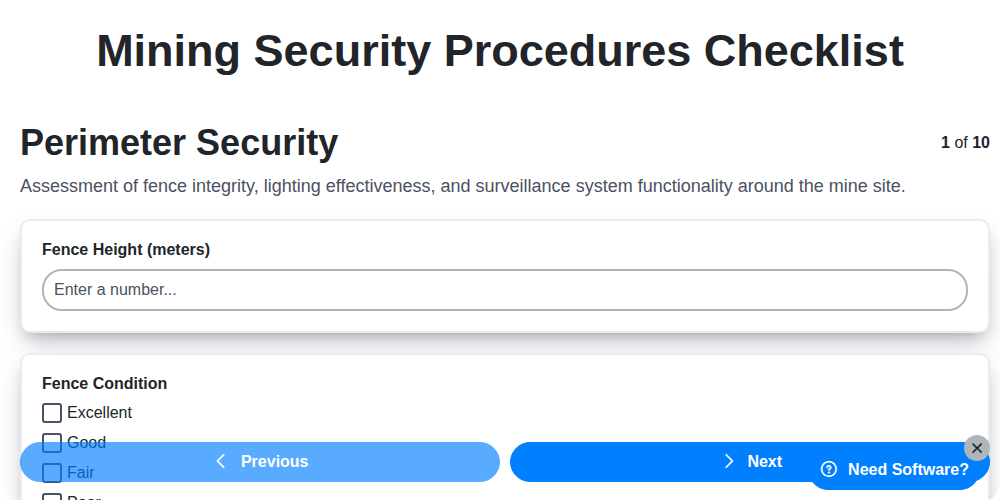
Mining Security Procedures Checklist: A Comprehensive Template for Safety
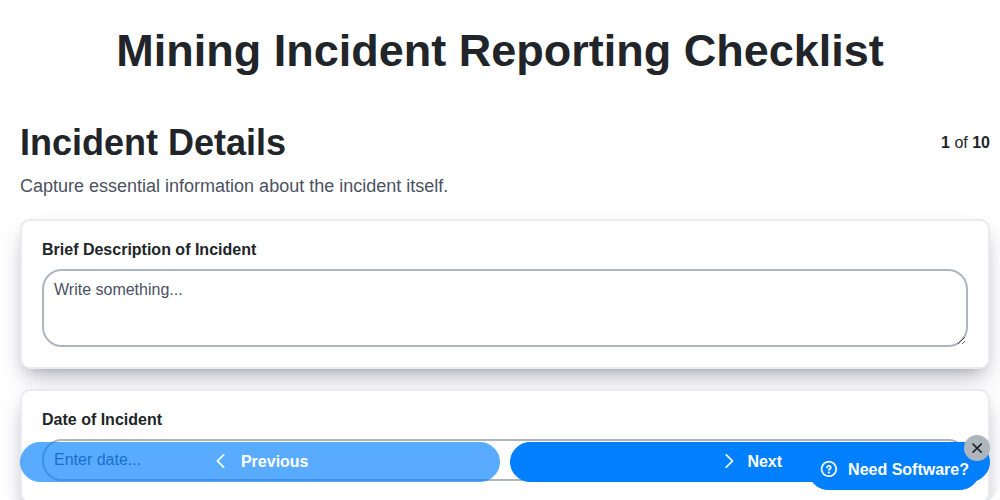
Ensuring Safety: Your Mining Incident Reporting Checklist Guide
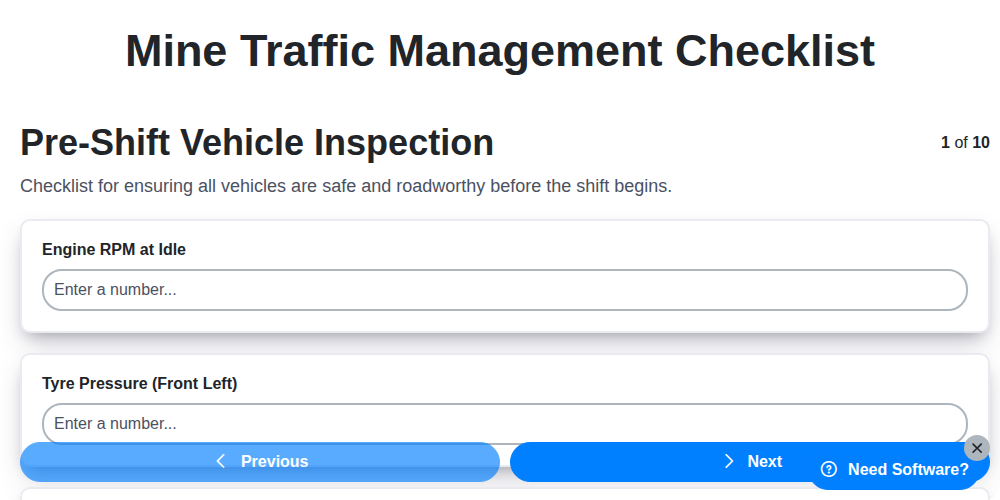
Ensuring Safety Underground: Your Mine Traffic Management Checklist Guide
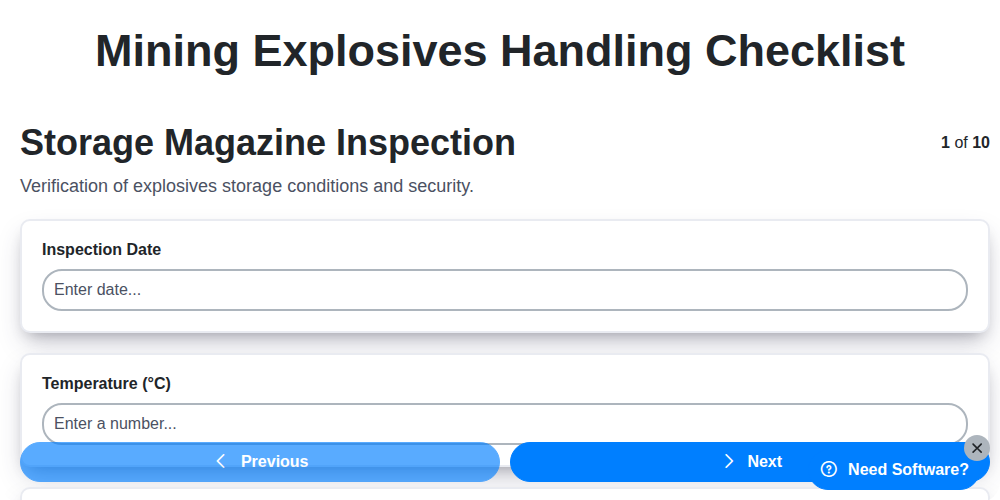
Ensuring Safety: Your Mining Explosives Handling Checklist Template
Ensuring Safety & Compliance: Your Mining Noise Monitoring Checklist Guide
Need help with
Mining Management?
Have a question? We're here to help. Please submit your inquiry, and we'll respond promptly.