Mining Safety & Compliance Checklist: Your Essential Guide
Published: 11/20/2025 Updated: 07/02/2026
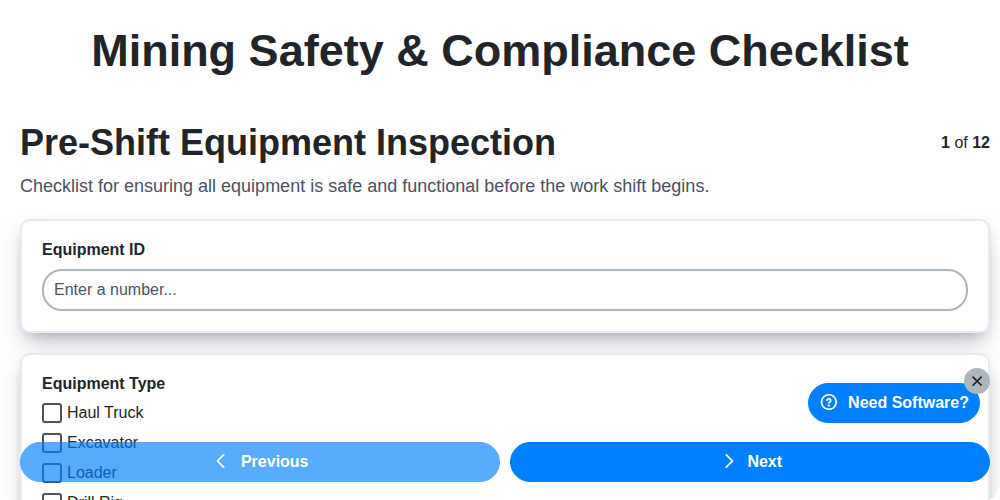
Table of Contents
- Introduction: Why a Mining Safety & Compliance Checklist Matters
- 1. Pre-Shift Equipment Inspection: Ensuring Readiness
- 2. Ground Control & Stability: A Foundation of Safety
- 3. Ventilation & Air Quality: Breathing Easy & Working Safely
- 4. Personal Protective Equipment (PPE): Your First Line of Defense
- 5. Hazard Identification & Risk Assessment: Proactive Prevention
- 6. Confined Space Entry: Managing Critical Risks
- 7. Electrical Safety: Preventing Accidents & Ensuring Compliance
- 8. Blast Procedures (If Applicable): Safe and Controlled Operations
- 9. Ongoing Compliance: Training, Reporting, and Documentation
- Resources & Links
TLDR: Running a mine? This checklist is your go-to for ensuring safety and compliance! It covers everything from equipment checks and ground stability to emergency response and environmental regulations, helping you identify risks, protect your team, and avoid costly penalties. Download the template and streamline your operations!
Introduction: Why a Mining Safety & Compliance Checklist Matters
The mining industry faces inherent risks, making safety and compliance paramount. A robust safety program isn't just about ticking boxes; it's about protecting the lives of workers, safeguarding the environment, and ensuring operational continuity. A comprehensive Mining Safety & Compliance Checklist acts as a vital cornerstone of this program. It's more than just a list; it's a structured framework that systematically addresses potential hazards and verifies adherence to regulations. By implementing and diligently following a checklist, mining operations can proactively identify and mitigate risks, reduce the likelihood of accidents and incidents, minimize costly downtime, and demonstrate a commitment to responsible and sustainable practices. Ultimately, a well-maintained checklist fosters a culture of safety, empowering employees to actively participate in hazard recognition and promoting a safer, more productive work environment.
1. Pre-Shift Equipment Inspection: Ensuring Readiness
Before a single shovel breaks ground or a miner descends, a meticulous pre-shift equipment inspection is paramount. This isn't just about ticking a box; it's a critical layer of defense against potential accidents and injuries. Each piece of equipment, from haul trucks and loaders to ventilation fans and lighting systems, must be thoroughly examined.
The checklist for this inspection should be comprehensive, covering essential components like brakes, tires, lights, hydraulics, engine performance, safety alarms, and fluid levels. Don't overlook seemingly minor details - a faulty indicator light or a slightly loose bolt can escalate into a major issue.
A documented inspection process, with clear accountability for identified defects and subsequent repairs, is essential. Equipment found to be deficient must be immediately taken out of service until it's repaired and certified safe for use. Remember, relying on faulty equipment is a gamble no mining operation can afford. Regularly review and update your equipment inspection checklist to reflect changes in machinery or regulations.
2. Ground Control & Stability: A Foundation of Safety
Ground control is paramount in mining operations - a failure here can have catastrophic consequences. This section of the checklist focuses on ensuring the integrity of the mine environment.
Key Checks:
- Visual Inspection: Regularly inspect roof, walls, and pillars for signs of distress, cracking, spalling, or convergence. Don't rely solely on previous surveys; a fresh look can reveal developing issues.
- Support Systems: Verify the proper installation and condition of all ground support systems, including bolting, meshing, and timber. Ensure bolts are torqued to specification and mesh is securely fastened.
- Convergence Monitoring: Review any existing convergence monitoring data (e.g., extensometers, survey points). Analyze trends and investigate any significant changes indicating instability.
- Geological Mapping: Consult recent geological maps and reports to understand the ground conditions and potential hazards. Be aware of fault lines, weak seams, and other geological features.
- Scaling & Cleaning: Ensure rock surfaces are properly scaled and cleaned to remove loose material that could contribute to instability.
- Ground Movement Detection: Implement and maintain ground movement detection systems where necessary, particularly in areas prone to instability.
- Record Keeping: Maintain accurate records of all ground control inspections, monitoring data, and remedial actions taken.
Remember, proactive ground control measures are far more effective - and far safer - than reactive ones. If anything appears unusual or concerning, immediately report it and cease work until a qualified engineer can assess the situation.
3. Ventilation & Air Quality: Breathing Easy & Working Safely
Mining environments can present unique challenges regarding air quality. Dust, gases (like methane, carbon monoxide, and radon), and other contaminants can pose serious health risks to miners. A robust ventilation system and diligent air quality monitoring are absolutely critical for ensuring a safe and productive work environment.
What's Involved in Maintaining Good Ventilation & Air Quality?
This section of the safety checklist focuses on more than just "turning on the fans." It's a comprehensive review encompassing:
- System Inspection: Regularly inspect ventilation machinery (fans, ducts, regulators) for proper operation, leaks, and obstructions. This includes verifying airflow rates and pressures.
- Air Monitoring: Implement a rigorous air quality monitoring program. This includes continuous monitoring for gases and periodic dust sampling. Understand established action levels and implement corrective measures immediately when exceeded. Consider utilizing real-time monitoring technologies.
- Dust Control: Employ dust suppression techniques such as water sprays, ventilation dilution, and dust collection systems. Assess the effectiveness of these measures regularly.
- Gas Detection: Ensure gas detectors are properly calibrated, maintained, and strategically placed throughout the mine. Confirm miners understand how to respond to alarms and evacuations.
- Dilution Ventilation: Calculate and maintain adequate ventilation rates to effectively dilute contaminants. Adjust ventilation based on mining operations and potential emission sources.
- Review of Ventilation Plans: Periodically review and update ventilation plans to account for changes in mining operations or geological conditions.
Why is this Checklist Item So Important?
Failure to adequately manage ventilation and air quality can lead to a range of health issues, from respiratory problems to fatalities. Proactive measures in this area demonstrate a commitment to miner well-being and are essential for maintaining a safe and compliant mining operation.
4. Personal Protective Equipment (PPE): Your First Line of Defense
In mining, PPE isn't just recommended; it's mandatory and your first line of defense against injury. A comprehensive PPE program goes beyond simply providing equipment - it encompasses proper selection, fit, maintenance, and usage.
What's Required? The specific PPE needed will vary depending on the task and environment. However, common requirements typically include:
- Hard Hats: Essential for head protection from falling objects and impacts. Ensure proper suspension and fit.
- Safety Glasses/Goggles: Protect eyes from dust, debris, and chemical splashes. Consider prescription safety glasses if needed.
- Hearing Protection: Mining environments can be incredibly noisy. Use earplugs or earmuffs to prevent hearing loss. Noise levels dictate the required level of protection.
- Respirators: Crucial when dealing with dust, fumes, or gases. Proper fit testing and cartridge selection are paramount.
- Safety Boots: Sturdy, steel-toed boots provide foot protection from crushing and punctures.
- Gloves: Protect hands from cuts, abrasions, and chemical exposure.
- High-Visibility Clothing: Ensures visibility in low-light conditions and around moving equipment.
- Fall Protection: Harnesses, lanyards, and anchor points are vital when working at heights.
Beyond Provision: The Key to Effectiveness
- Training: Ensure all employees are thoroughly trained on the proper use, care, and limitations of their PPE.
- Inspection: PPE should be inspected before each shift for damage or defects. Replace damaged items immediately.
- Maintenance: Regular cleaning and proper storage extend the lifespan of PPE.
- Fit Testing: Respirators and some hearing protection require fit testing to guarantee a proper seal.
Don't compromise - your safety depends on it.
5. Hazard Identification & Risk Assessment: Proactive Prevention
Mining isn't just about extracting resources; it's about doing so safely. A robust Hazard Identification & Risk Assessment (HIRA) process is the cornerstone of any successful safety program. It moves beyond simply reacting to incidents and embraces a proactive approach to preventing them.
What Does a Good HIRA Process Look Like?
It's more than just a form to fill out. A comprehensive HIRA should be a continuous cycle, encompassing these key elements:
- Identify Hazards: This involves systematically searching for potential dangers. This isn't limited to obvious threats; consider everything from equipment malfunctions and ground instability to atmospheric conditions and human error. Encourage everyone - from seasoned veterans to new hires - to participate; fresh eyes often spot what others miss. Use methods like What-If analyses, job safety analyses (JSAs), and near-miss reporting to uncover hidden hazards.
- Assess Risks: Once hazards are identified, you need to evaluate the likelihood of them occurring and the severity of the potential consequences. This isn't a gut feeling; use a defined risk matrix (e.g., probability vs. consequence) to assign a risk rating.
- Develop Control Measures: This is where prevention happens. Based on the risk rating, implement controls to eliminate or mitigate the hazards. These can include engineering controls (e.g., ventilation systems), administrative controls (e.g., safe work procedures), and personal protective equipment (PPE). Prioritize controls based on the level of risk.
- Review & Update: The mining environment is dynamic. Regularly review and update your HIRA assessments, particularly after any incident, near miss, change in operations, or introduction of new equipment. This ensures ongoing relevance and effectiveness.
Key Considerations:
- Worker Involvement: Empower your workforce. They're the ones performing the tasks and have invaluable insights.
- Documentation: Thoroughly document all identified hazards, assessments, and control measures.
- Communication: Clearly communicate findings and control measures to all affected personnel.
By prioritizing Hazard Identification & Risk Assessment, you're not just complying with regulations - you're investing in the safety and well-being of your workforce and the long-term sustainability of your operation.
6. Confined Space Entry: Managing Critical Risks
Confined spaces pose significant hazards in mining operations, often lacking adequate ventilation, presenting potential for asphyxiation, toxic gas exposure, or engulfment. A robust confined space entry program is not just a regulatory requirement; it's a vital component of ensuring miner safety. This checklist step goes beyond simply identifying confined spaces - it necessitates a methodical, documented, and continuously reviewed process.
Here's what a comprehensive confined space entry procedure should encompass:
- Identification & Hazard Assessment: Properly identify all confined spaces, clearly marking them with appropriate signage. Conduct thorough hazard assessments before entry, considering atmospheric conditions (oxygen levels, flammable gases, toxic substances), physical hazards (engulfment risks, machinery), and potential for changes during the work.
- Permit System: Implement a strict permit-to-work system. This permit should outline the hazards identified, the controls in place, the entrants, attendants, and supervisors involved, and the approved work procedures. No entry should occur without a valid, signed permit.
- Atmospheric Testing & Ventilation: Mandatory atmospheric testing before and during entry is crucial. Use calibrated and appropriate monitoring equipment to measure oxygen levels, combustible gases, and toxic substances. Continuous ventilation must be maintained to prevent hazardous conditions.
- Attendant Responsibilities: A trained attendant must be stationed outside the confined space, continuously monitoring the entrants and ready to summon assistance if needed. The attendant must never enter the space.
- Entry & Rescue Plans: Have clearly defined entry and rescue plans in place, with readily available rescue equipment and trained personnel. Regular drills should be conducted to ensure preparedness.
- Continuous Monitoring & Review: Regularly review confined space entry procedures and training to ensure effectiveness and adapt to changing conditions and regulations.
Failure to adhere to proper confined space entry protocols can have devastating consequences. Prioritizing safety through diligent adherence to this checklist step is paramount.
7. Electrical Safety: Preventing Accidents & Ensuring Compliance
Mining environments present unique and significant electrical hazards. From heavy-duty machinery to lighting and ventilation systems, electricity is integral to operations, but it also poses a serious risk if not managed correctly. This section outlines key electrical safety checks crucial for maintaining a safe and compliant mining site.
Essential Checks & Procedures:
- Regular Inspections: Implement a schedule for inspecting all electrical equipment, including power lines, transformers, switchgear, motors, wiring, and lighting. Look for signs of damage, wear, overheating, or improper installation. Document all findings.
- Lockout/Tagout (LOTO) Procedures: Strict adherence to LOTO protocols is paramount. Ensure all personnel understand and follow these procedures before any electrical work is performed. Verify lockout devices are properly applied and tested.
- Grounding & Bonding: Confirm proper grounding and bonding of all electrical equipment and metallic structures to minimize the risk of electric shock.
- Insulation Integrity: Regularly test and inspect insulation on cables and equipment to prevent short circuits and potential fire hazards. Use appropriate testing methods and equipment.
- Arc Flash Hazard Assessments: Conduct thorough arc flash hazard assessments to determine potential arc flash risks and select appropriate Personal Protective Equipment (PPE) for personnel working in these areas.
- Qualified Personnel: Ensure that all electrical work is performed by qualified and competent personnel who have received appropriate training and certifications.
- Compliance with Regulations: Stay up-to-date with and adhere to all relevant electrical safety regulations and standards (e.g., NFPA 70E, local mining codes).
Importance of Training: Continuous training on electrical safety practices, hazard recognition, and emergency procedures is vital for all personnel working near or performing electrical tasks.
8. Blast Procedures (If Applicable): Safe and Controlled Operations
Mining operations utilizing explosives require meticulous planning and adherence to strict procedures. This checklist section focuses on ensuring the safety and control of blasting activities, minimizing risk to personnel and the surrounding environment.
Key Considerations & Checklist Items:
- Blast Plan Review & Approval: Is the blast plan reviewed and approved by a qualified and competent person? Does it detail blast design, sequence, and timing?
- Geotechnical Assessment: Has a thorough geotechnical assessment been conducted to understand ground conditions and potential impact zones?
- Pre-Blast Survey: Are pre-blast surveys completed to document existing ground conditions and infrastructure? This includes surveying nearby structures and monitoring vibrations.
- Clearance & Exclusion Zones: Are blast exclusion zones clearly marked and enforced? Is all non-essential personnel evacuated from the danger area?
- Communication & Warning Systems: Are effective communication methods in place to warn personnel before, during, and after blasting? This includes audible and visual warnings.
- Blasting Personnel Competency: Are all blasters and designated personnel properly trained, certified, and experienced? Is their competency regularly assessed?
- Explosive Handling & Storage: Are explosives handled, stored, and transported in strict accordance with regulations and manufacturer guidelines? Secure storage and inventory tracking are critical.
- Post-Blast Inspection: Is a post-blast inspection conducted to assess ground conditions, check for unexploded ordnance, and identify any potential hazards?
- Vibration Monitoring: Is vibration monitoring carried out to ensure levels remain within acceptable limits and to assess potential impact on surrounding structures?
- Record Keeping: Are detailed records maintained for all blast activities, including plans, personnel involved, monitoring results, and any incidents or near misses?
Remember: Blasting operations present significant risks. Thorough planning, rigorous adherence to procedures, and continuous improvement are essential for maintaining a safe and compliant work environment. Always prioritize safety above all else.
9. Ongoing Compliance: Training, Reporting, and Documentation
Compliance isn't a one-time event; it's a continuous journey. To ensure the long-term safety and legality of your mining operations, robust ongoing compliance practices are absolutely essential. This section focuses on three key pillars: Training, Reporting, and Documentation.
Training & Competency: Regular refresher training isn't just a formality; it reinforces safe practices and ensures personnel are up-to-date with evolving regulations and procedures. This includes initial training for new hires, specialized training for specific tasks (like confined space entry or blast procedures), and periodic refreshers for all personnel. Documenting training records, including dates, content covered, and assessments, is critical for demonstrating due diligence. Competency assessments, where practical experience and skill are evaluated, should also be integrated to verify understanding and proficiency.
Reporting & Incident Management: A robust reporting system is your early warning system. Encourage all employees to report near misses, incidents, and potential hazards without fear of reprisal. This open communication is vital for identifying trends, pinpointing root causes, and implementing corrective actions before a serious incident occurs. Ensure a clear process exists for investigating incidents, documenting findings, and tracking the implementation of preventative measures.
Documentation - Your Record of Commitment: Thorough documentation isn't just about ticking boxes; it's a comprehensive record of your commitment to safety and compliance. This includes everything from inspection logs and hazard assessments to training records and incident reports. Securely store all documentation and make it readily accessible for audits and inspections. An organized and well-maintained documentation system provides invaluable evidence of your proactive approach to safety.
Resources & Links
- Mine Safety and Health Administration (MSHA): The primary federal agency responsible for mine safety and health. Offers regulations, statistics, training materials, and resources for compliance.
- Occupational Safety and Health Administration (OSHA): While MSHA focuses on mining specifically, OSHA's broader safety and health standards frequently overlap and are relevant to mining operations. Provides general safety guidance and regulations.
- S&P Global (Mining): Provides news, data, and analysis related to the mining industry, often including updates on safety regulations and best practices. Useful for staying current on industry trends.
- The Rockefeller Foundation (Sustainable Development): Though broader than mining, the foundation's work on sustainable development often highlights responsible mining practices including safety and environmental considerations. Can provide a perspective on ethical and modern mining operations.
- International Organization for Standardization (ISO): Provides internationally recognized standards. Relevant standards, such as ISO 31000 (Risk Management) and ISO 45001 (Occupational Health and Safety Management Systems), can be incorporated into a mining safety program.
- Canadian Institute of Mining, Metallurgy and Petroleum (CIM): A leading Canadian organization for mining professionals. Offers resources, publications, and events focused on best practices, including safety and environmental responsibility. Often includes perspectives from the global mining landscape.
- SRM (Society for Mining, Minerals & Exploration): Professional organization dedicated to advancing responsible mining practices, with a focus on technical excellence and safety. Offers training, publications and networking opportunities.
- Global Mining Review: Provides industry news and technical information, including reports on mining safety incidents and emerging safety technologies.
- Australian Government - Comcare: While Australian-specific, Comcare's resources on mining safety and health offer valuable insights and checklists that can be adapted for other regions. Focuses on proactive risk management and safety culture.
- Marshall Yeamans & Marshall Miller and Associates: Provides specialized training and consulting services related to mining safety and compliance. Offers courses and resources on various safety topics.
Frequently Asked Questions
What is the purpose of this Mining Safety & Compliance Checklist?
This checklist provides a comprehensive guide to help mining operations identify and address critical safety and compliance requirements, reducing risks and ensuring regulatory adherence. It's designed to be a practical tool for ongoing safety management.
Who should use this checklist?
This checklist is beneficial for anyone involved in mining operations, including mine managers, safety officers, supervisors, employees, and contractors. It's suitable for all types of mining - surface, underground, and processing.
Is this checklist exhaustive for all mining regulations?
While this checklist covers many common and crucial safety & compliance areas, it's not a substitute for a thorough understanding of all applicable federal, state, and local regulations. Regulations vary widely; always consult official sources and legal counsel for complete compliance.
How often should I use this checklist?
This checklist should be used regularly. Ideally, it should be part of your periodic safety audits (e.g., monthly, quarterly, annually), and it's also valuable for onboarding new employees and contractors, and after any significant operational changes or incidents.
What kind of records should I keep related to this checklist?
Maintain records of completed checklist reviews, any corrective actions taken, and verification of those actions. These records serve as evidence of your commitment to safety and compliance, and can be essential during inspections or investigations.
Where can I find more detailed information on the regulations mentioned in the checklist?
The checklist references various regulations. For detailed information, consult the relevant government agencies' websites, such as MSHA (Mine Safety and Health Administration) in the US, and corresponding agencies in other countries. Refer to the specific regulation numbers cited in the checklist.
What should I do if I identify a compliance issue while using the checklist?
Immediately report the issue to your supervisor or designated safety personnel. Document the problem, implement corrective actions as quickly as possible, and verify their effectiveness. Escalate any unresolved issues to the appropriate authorities if necessary.
Can I modify the checklist to fit my specific mine's needs?
Yes, the checklist is intended to be a starting point. Feel free to add or modify items to reflect your mine's unique operations, hazards, and regulatory environment. However, ensure any modifications do not compromise safety or compliance.
What is MSHA and why is it mentioned so frequently?
MSHA (Mine Safety and Health Administration) is a U.S. government agency responsible for ensuring the safety and health of miners. The checklist references MSHA regulations as they are commonly applicable in U.S. mining operations, and serve as a good standard of practice.
How can I ensure the checklist remains up-to-date with changing regulations?
Assign responsibility for regularly reviewing the checklist and updating it to reflect changes in regulations or industry best practices. Subscribe to regulatory updates and participate in industry safety forums to stay informed.
Comments
There are no comments yet. Be the first to add one!
Mining Management Solution Demo
Maximize efficiency & safety in mining operations! ChecklistGuro streamlines task management, equipment tracking, and compliance reporting. Optimize workflows, reduce risk, & boost productivity. Manage it all with our Work OS.
Related Articles
Ensuring Mine Safety: Your Geotechnical Stability Checklist Guide
Ensuring Safety & Efficiency: Your Mine Haul Road Inspection Checklist Guide
Mastering Mine Safety: Your Guide to the Ground Control Checklist
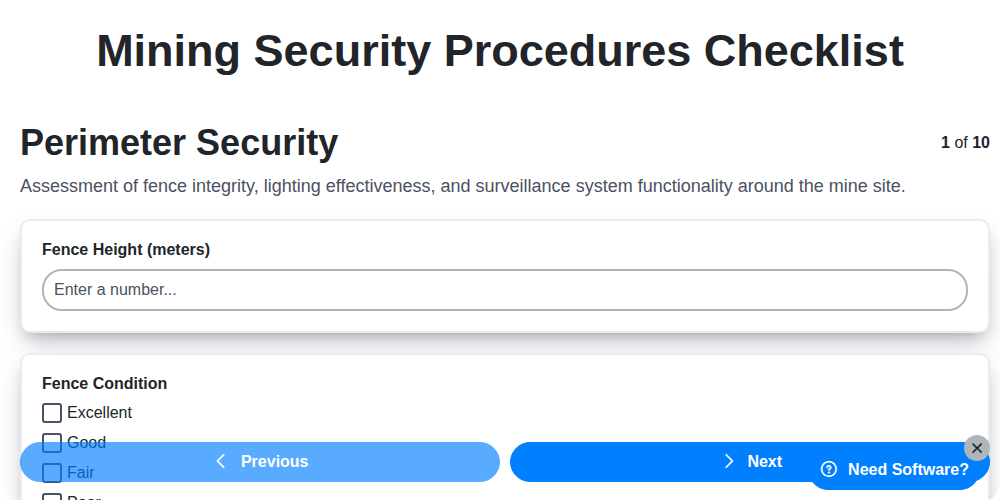
Mining Security Procedures Checklist: A Comprehensive Template for Safety
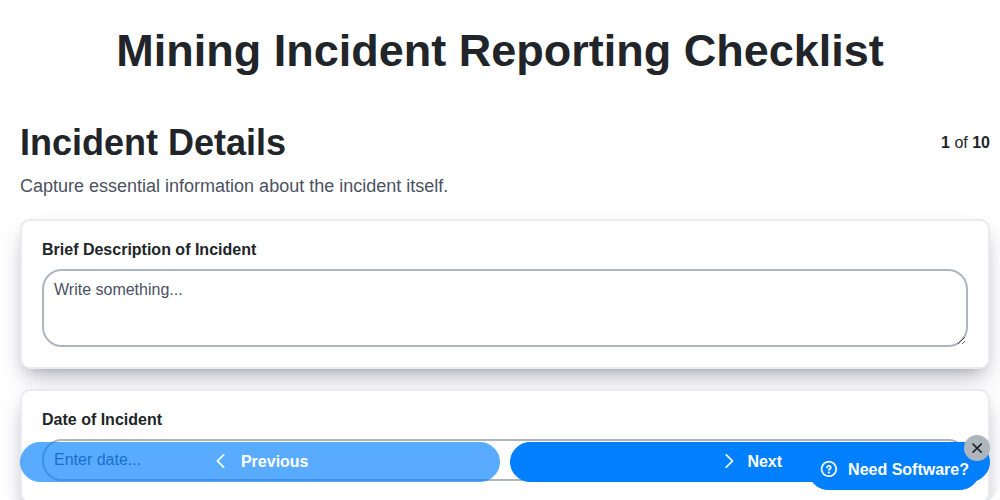
Ensuring Safety: Your Mining Incident Reporting Checklist Guide
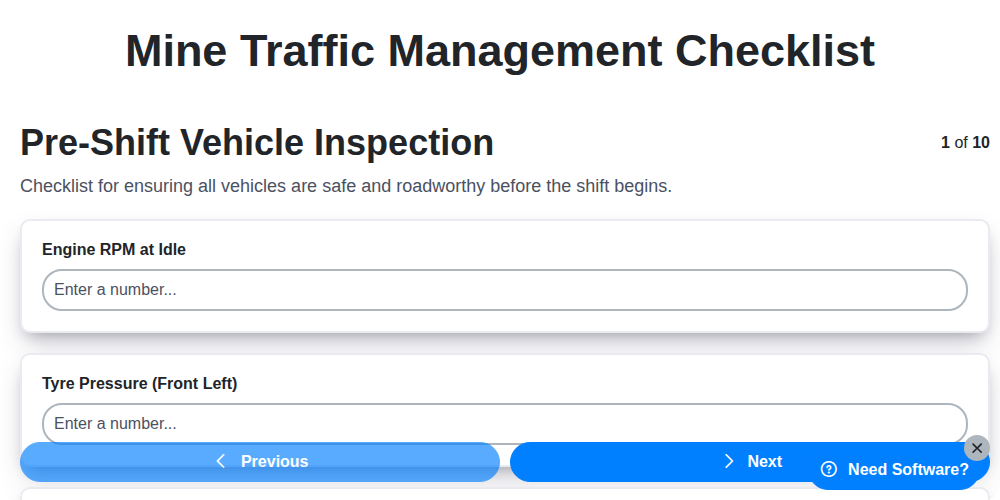
Ensuring Safety Underground: Your Mine Traffic Management Checklist Guide
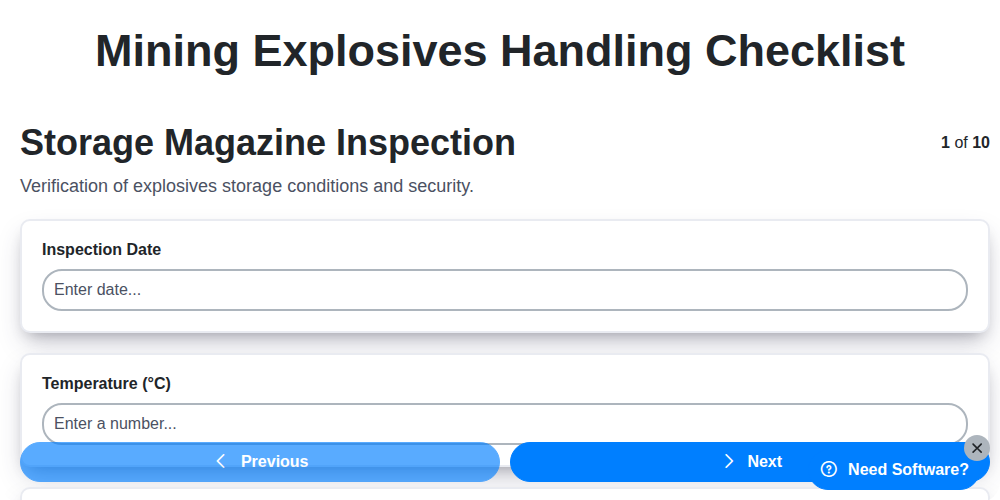
Ensuring Safety: Your Mining Explosives Handling Checklist Template
Ensuring Safety & Compliance: Your Mining Noise Monitoring Checklist Guide
Need help with
Mining Management?
Have a question? We're here to help. Please submit your inquiry, and we'll respond promptly.