Mastering Waste Rock Management: Your Essential Checklist Guide
Published: 11/22/2025 Updated: 07/02/2026
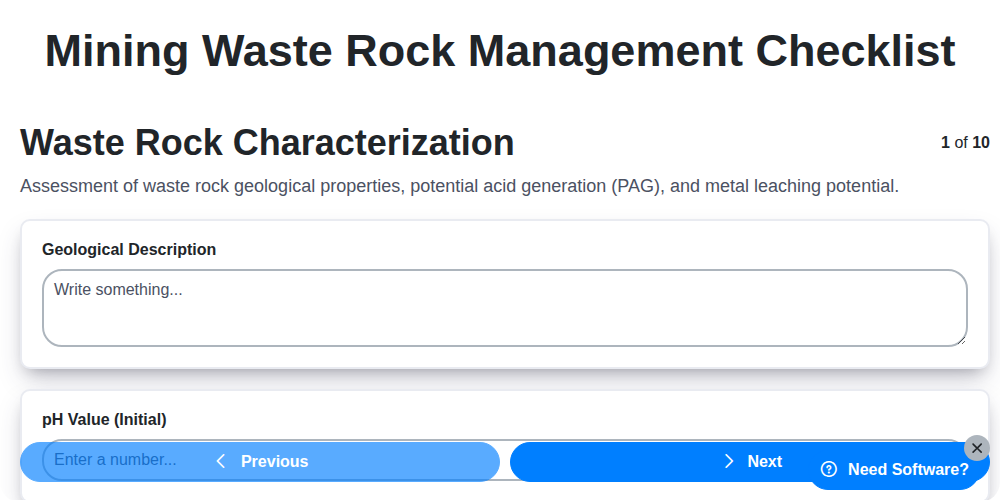
Table of Contents
- Introduction: Why Waste Rock Management Matters
- 1. Waste Rock Characterization: Understanding What You're Dealing With
- 2. Designing for Stability: The Waste Rock Storage Facility Design
- 3. Safe Placement & Handling: Minimizing Risk During Operations
- 4. Protecting Surface Water: A Proactive Approach
- 5. Groundwater Monitoring: Early Detection is Key
- 6. Controlling Erosion and Sediment: Preventing Environmental Impact
- 7. Reclaiming the Land: Vegetation and Revegetation Strategies
- 8. Ongoing Stability Monitoring: Ensuring Long-Term Integrity
- 9. Emergency Response Planning: Preparedness is Paramount
- 10. Navigating Regulatory Compliance: Staying on the Right Side of the Law
- Resources & Links
TLDR: Mining waste rock can be a huge environmental and safety risk. This checklist template - covering everything from initial characterization to emergency response - ensures you're handling it responsibly. It's your guide to designing, managing, and monitoring waste rock facilities to protect water resources, prevent erosion, and comply with regulations. Download it and reduce your risk!
Introduction: Why Waste Rock Management Matters
Mining operations inherently generate waste rock - the material extracted alongside the valuable ore but lacking sufficient mineralization to be processed. While seemingly inert, waste rock poses significant environmental and safety challenges if not managed responsibly. Improperly managed waste rock can lead to acid rock drainage (ARD), contaminating water sources and harming ecosystems. It can also contribute to slope instability, posing risks to workers and nearby communities. Effective waste rock management isn't just about minimizing environmental impact; it's about ensuring the long-term sustainability of mining operations, protecting public health, and upholding regulatory requirements. This checklist outlines key steps to proactively address these risks and ensure responsible waste rock handling throughout the mining lifecycle.
1. Waste Rock Characterization: Understanding What You're Dealing With
Before a single shovelful of waste rock is moved, a thorough characterization process is absolutely critical. This isn't just about knowing its volume; it's about understanding its physical and chemical properties - properties that will dictate safe storage and long-term environmental performance.
What does waste rock characterization involve? It's a multi-faceted investigation that typically includes:
- Geochemical Analysis: This is perhaps the most important aspect. We analyze samples for potential acid rock drainage (ARD) potential. Key parameters include sulfide mineral content (primarily pyrite, arsenopyrite, and pyrrhotite), pH, net acid generating (NAG) potential, and metal concentrations (e.g., copper, zinc, arsenic, cadmium).
- Physical Properties: Assessing factors like rock density, porosity, permeability, and unconfined compressive strength. These properties influence storage facility design and stability.
- Mineralogical Studies: Identifying the minerals present beyond just sulfide content. This provides a more complete picture of potential geochemical reactions.
- Hydrogeological Assessment: Understanding the groundwater flow pathways within and around the waste rock.
Why is this so crucial? Incorrect assumptions about waste rock characteristics can lead to significant environmental risks - uncontrolled ARD, groundwater contamination, and ultimately, costly remediation efforts. Characterization data informs every subsequent stage of waste rock management, from storage facility design to long-term monitoring. It's the foundation upon which safe and sustainable practices are built.
2. Designing for Stability: The Waste Rock Storage Facility Design
A robust Waste Rock Storage Facility (WRSF) design is paramount to long-term stability and environmental protection. This isn't merely about piling rock; it's a carefully planned process considering geology, hydrogeology, and potential hazards. Key design elements include:
- Geotechnical Investigations: Thorough subsurface investigations are the foundation. This includes detailed geological mapping, borehole drilling, and laboratory testing to understand rock properties (strength, density, permeability), identify potential fault lines or weak zones, and assess slope stability.
- Slope Angle Optimization: Selecting appropriate slope angles is critical. Steeper slopes maximize storage capacity but increase instability risk. Geotechnical analysis will determine the optimal angle considering rock strength, groundwater conditions, and potential for freeze-thaw cycles.
- Foundation Preparation: Ensuring a stable foundation is essential. This may involve removing unsuitable materials, compacting the ground, or incorporating drainage layers to prevent water accumulation.
- Drainage Systems: Effective drainage is vital to minimize pore water pressure, a major driver of slope failure. This includes internal drainage (e.g., drainage layers within the waste rock) and external drainage (e.g., diversions, channels, and collection ponds).
- Geosynthetic Reinforcement: In some cases, geosynthetic materials (e.g., geogrids, geotextiles) can be incorporated to reinforce the waste rock mass and improve stability, particularly in areas with challenging ground conditions.
- Phased Construction: Building the WRSF in phases allows for continuous monitoring and adjustments to the design as needed, minimizing risk and allowing for adaptation based on performance.
- Seismic Considerations: In seismically active regions, the design must account for earthquake forces and potential ground deformation.
- Hydraulic Barriers: Strategically placed, low-permeability materials (e.g., clay layers) may be used to create hydraulic barriers, controlling groundwater flow and preventing contaminant migration.
3. Safe Placement & Handling: Minimizing Risk During Operations
The careful placement and handling of waste rock is paramount for maintaining stability and preventing environmental impacts. This isn't just about piling rock; it's a meticulously planned operation that directly impacts the long-term integrity of the waste rock storage facility (WRSF).
Key Considerations for Placement & Handling:
- Sequencing: Prioritize placement of less permeable materials (e.g., finer-grained waste rock) towards the toe of the dump to create a protective layer against water infiltration and potential acid rock drainage (ARD). Coarser materials can then be placed higher up.
- Controlled Dump Height and Slope Angles: Adhere strictly to the designed slope angles and dump height limitations. Excessive height or steep slopes increase the risk of landslides and instability. Regularly survey and confirm adherence.
- Layered Construction: Implement a layered construction approach, incorporating geotextiles or other barrier materials where appropriate, to further minimize water infiltration and segregation of material types.
- Truck Traffic Management: Establish designated haul roads and implement traffic management protocols to minimize disturbance and compaction of the WRSF slopes. Avoid excessive turning or braking on the slopes themselves.
- Rockfall Hazard Mitigation: Implement rockfall barriers (e.g., wire mesh, concrete walls) in areas prone to rockfall, particularly near access roads and areas of high pedestrian traffic.
- Regular Inspections: Conduct daily visual inspections during operations to identify any signs of instability, slumping, or rockfall potential. Document findings and promptly address any issues.
- Personnel Training: Ensure all personnel involved in waste rock placement and handling receive thorough training on safe operating procedures, potential hazards, and emergency response protocols.
By adhering to these practices, we proactively minimize risks and contribute to the overall safety and environmental integrity of the WRSF.
4. Protecting Surface Water: A Proactive Approach
Managing waste rock effectively is intrinsically linked to safeguarding nearby surface water resources. Runoff from waste rock piles can contain acidic drainage, heavy metals, and other contaminants, posing a significant threat to aquatic ecosystems and downstream water users. A proactive approach to surface water management is therefore absolutely critical.
This starts with understanding the potential risks. Waste Rock Characterization (step 2 of our checklist) provides foundational data on the mineralogy and potential for acid rock drainage (ARD). This informs the subsequent design and operational strategies.
Effective Surface Water Management begins with containment. This includes designing drainage systems that collect and channel runoff away from sensitive areas. Sediment ponds are vital for trapping sediment and allowing some contaminants to settle before water is discharged. Water treatment systems, such as constructed wetlands or chemical treatment plants, may be necessary depending on the water quality analysis and regulatory requirements.
Regular monitoring is key. Implementing a robust Surface Water Monitoring program, documented in step 2, allows for early detection of any water quality changes. Establish clear trigger levels for corrective action - if parameters exceed these limits, immediate steps must be taken to mitigate the problem. This might involve adjusting drainage patterns, adding neutralizing agents, or improving sediment control measures.
Finally, remember that prevention is always better than cure. Careful Waste Rock Placement & Handling (step 1) to minimize contact between different rock types, and robust Erosion and Sediment Control (step 2) are all essential components of a comprehensive surface water protection strategy.
5. Groundwater Monitoring: Early Detection is Key
Groundwater contamination from mining waste rock is a serious concern, potentially impacting water supplies, ecosystems, and long-term site reclamation. A robust groundwater monitoring program is therefore absolutely critical for effective waste rock management. This isn't just about compliance; it's about proactive risk mitigation.
Our checklist emphasizes a layered approach to groundwater monitoring. This includes establishing a network of strategically placed monitoring wells, both upgradient (to establish baseline conditions) and downgradient (to detect potential impacts). The frequency of sampling should be determined by the potential risk factors, including waste rock geochemistry (acid generation potential, metal content), hydrogeological conditions, and proximity to sensitive receptors like drinking water sources.
Beyond simple contaminant detection, a comprehensive program should include:
- Baseline Data Establishment: Initial sampling to create a clear picture of natural groundwater quality before waste rock placement.
- Trend Analysis: Regularly analyzing data to identify subtle shifts in water quality over time, often indicating the early stages of contamination.
- Early Warning Indicators: Focusing on key parameters like pH, electrical conductivity, and specific metal concentrations (e.g., arsenic, copper, zinc).
- Hydrogeological Modeling: Using computer models to predict groundwater flow paths and contaminant transport - crucial for optimizing monitoring well placement and anticipating potential impacts.
- Adaptive Management: Being prepared to adjust monitoring strategies based on observed trends. If contamination is detected, the program should trigger a review of waste rock handling practices, storage facility design, and potentially, the need for remediation measures.
A proactive groundwater monitoring program provides valuable data for informed decision-making, minimizing environmental risk, and ensuring the long-term sustainability of mining operations.
6. Controlling Erosion and Sediment: Preventing Environmental Impact
Erosion and sediment control are critical components of responsible waste rock management. Uncontrolled erosion can lead to significant environmental damage, impacting water quality, downstream habitats, and potentially affecting human health. A proactive and comprehensive approach is essential.
This involves several key actions, beginning with a detailed assessment of the waste rock slopes. Slope steepness, material type, and anticipated rainfall patterns all influence erosion potential. Implementing a tiered approach is often effective. Initially, this includes establishing vegetative cover - even temporary ground cover like straw or erosion control blankets - to stabilize the surface.
Beyond vegetation, physical structures play a vital role. These can range from silt fences and sediment basins to rock check dams and contour bunds. Strategic placement of these structures is key to intercepting runoff and allowing sediment to settle before it leaves the site. Regular inspection and maintenance of these controls are absolutely vital; a single breached silt fence can negate the effectiveness of an entire system.
Consider incorporating graded drainage channels to direct runoff in a controlled manner. These channels should be designed to minimize erosion potential, often with linings of rock or vegetation. Sediment basins provide a critical holding area for captured sediment, allowing for periodic removal and proper disposal, preventing accumulation and eventual release downstream.
Finally, understand that erosion and sediment control isn't a "set it and forget it" task. Ongoing monitoring and adaptive management are required. Rainfall events, seasonal changes, and geological activity can all impact the effectiveness of control measures, necessitating adjustments and improvements.
7. Reclaiming the Land: Vegetation and Revegetation Strategies
Waste rock management isn't just about containment and stability; it's about restoring the landscape. Effective revegetation transforms barren rock piles into more functional and aesthetically pleasing environments. This process goes beyond simply scattering seeds; it requires careful planning and ongoing maintenance.
Understanding the Challenges: Waste rock often presents significant challenges to plant growth. Factors like nutrient deficiencies, high pH levels, and the presence of potentially phytotoxic elements (like arsenic or copper) can hinder germination and survival. The steep slopes and limited soil depth further complicate matters.
A Phased Approach to Revegetation: Successful revegetation usually follows a phased approach:
- Phase 1: Soil Amendment & Stabilization: Before planting, the waste rock surface may require amendment. This often involves adding organic matter (compost, manure, or wood chips) to improve soil structure, increase nutrient availability, and adjust pH. Soil binders like hydroseeding can also help stabilize the surface and reduce erosion.
- Phase 2: Pioneer Species Introduction: Hardy, fast-growing "pioneer" species are typically introduced first. These plants, often grasses and herbaceous forbs, help stabilize the surface, improve soil conditions, and provide a foothold for subsequent vegetation. They also help reduce the impact of wind and water erosion.
- Phase 3: Gradual Transition to Native Species: As the soil improves, a gradual transition to native grasses, shrubs, and even trees can be implemented. This mirrors the natural ecosystem and promotes biodiversity. Species selection is crucial and must consider local climate, soil conditions, and the long-term stability goals for the site.
- Phase 4: Long-Term Monitoring and Maintenance: Regular monitoring of vegetation cover, survival rates, and overall ecosystem health is essential. Periodic seeding, fertilization, and weed control may be required to ensure the long-term success of the revegetation program.
Species Selection Considerations: Prioritize drought-tolerant, salt-tolerant, and deep-rooted species suited to the waste rock's specific characteristics. Consultation with local ecologists and botanists is highly recommended.
The Benefits Beyond Aesthetics: Successful revegetation offers numerous benefits, including reduced erosion, improved water quality, enhanced habitat for wildlife, and a visual improvement to the surrounding landscape. It's a vital step towards responsible and sustainable mining practices.
8. Ongoing Stability Monitoring: Ensuring Long-Term Integrity
Waste rock piles aren't static features; they evolve over time due to weathering, freeze-thaw cycles, and ongoing settlement. That's why consistent and robust stability monitoring is absolutely critical, even after initial construction and revegetation. This isn't a set it and forget it process - it's a proactive commitment to long-term safety and environmental protection.
What does effective monitoring entail? It's more than just occasional visual inspections. A comprehensive program should include:
- Regular Visual Inspections: Trained personnel should conduct frequent inspections to identify signs of distress such as cracks, slumps, or surface erosion. Documentation with photos is essential.
- Instrumentation: Depending on the size and complexity of the waste rock facility, instrumentation like piezometers (to measure pore water pressure), inclinometers (to measure ground movement), and settlement markers may be installed. Data from these instruments provides early warnings of potential instability.
- Deformation Surveys: Periodic surveys using techniques like total station or GPS can track subtle ground movements that might not be visible through visual inspection.
- Seepage Monitoring: Observing and quantifying seepage rates helps to understand groundwater flow and potential for pore pressure build-up, which can impact stability.
- Data Analysis and Trend Identification: Collected data needs to be analyzed regularly to identify trends and deviations from expected behavior. Statistical analysis can help differentiate between normal variation and potential problems.
- Adaptive Management: Monitoring data should inform ongoing management decisions. If concerning trends are detected, corrective actions - such as drainage improvements, regrading, or stabilization - must be implemented promptly.
The frequency and intensity of monitoring should be risk-based, considering factors like the waste rock characteristics, the slope angles, and the potential consequences of failure. A well-designed and diligently executed stability monitoring program is the cornerstone of responsible waste rock management and demonstrates a commitment to the long-term integrity of the facility.
9. Emergency Response Planning: Preparedness is Paramount
Mining waste rock management isn't just about long-term stability; it's also about immediate safety. A robust emergency response plan (ERP) is critical for minimizing potential impacts from unforeseen events like slope failures, unexpected releases, or extreme weather. This plan shouldn't be an afterthought; it needs to be integral to the entire waste rock management process.
Here's what a comprehensive ERP for waste rock management should include:
- Hazard Identification & Risk Assessment: Clearly identify potential emergency scenarios (e.g., rapid slope failure, dam breach, chemical release) and assess the potential impact on workers, nearby communities, and the environment.
- Communication Protocols: Define clear lines of communication - both internal (between site personnel) and external (with local authorities, emergency services, and affected communities). Establish designated spokespersons and ensure contact information is readily available and updated.
- Evacuation Procedures: Develop detailed evacuation plans for personnel and, where appropriate, nearby communities. These plans should include clearly marked routes, assembly points, and communication methods.
- Containment & Mitigation Measures: Outline the steps to be taken to contain and mitigate the impacts of an emergency. This might include having equipment on-site (e.g., sediment booms, absorbent materials), trained personnel, and pre-arranged contracts for external support.
- Training & Drills: Regular training and drills are essential to ensure that personnel are familiar with the ERP and can effectively respond to an emergency. Include all relevant personnel - operators, supervisors, and environmental staff.
- Equipment Availability: Maintain readily available and functional emergency response equipment, including communication devices, personal protective equipment (PPE), and specialized tools.
- Post-Emergency Procedures: Define steps for investigating the cause of an emergency, implementing corrective actions, and updating the ERP accordingly.
- Coordination with External Agencies: Establish clear lines of communication and coordination with local fire departments, emergency medical services, and other relevant agencies.
A well-defined and regularly practiced ERP significantly reduces the risk and impact of potential emergencies, protecting both human safety and the environment.
10. Navigating Regulatory Compliance: Staying on the Right Side of the Law
Mining waste rock management isn't just about environmental responsibility; it's also about adhering to a complex web of regulations. Failing to do so can result in hefty fines, operational delays, and serious reputational damage. This section outlines key considerations for maintaining regulatory compliance throughout your waste rock management process.
Know Your Jurisdiction(s): The first step is identifying all applicable regulations. This varies significantly based on your mine's location - federal, state/provincial, and local authorities may all have jurisdiction. Don't just consider the initial permitting; ongoing operational requirements and reporting are crucial.
Permitting & Reporting: Understand the specific permits required for waste rock storage facility (WRSF) construction, operation, and closure. Maintain meticulous records of all permit conditions and ensure consistent reporting to regulatory agencies, typically including updates on water quality, stability monitoring, and any deviations from approved plans.
Environmental Impact Assessments (EIAs): Be prepared for ongoing assessment and potential revisions based on EIA findings. Changes in waste rock characteristics, unforeseen environmental impacts, or evolving regulatory guidelines may trigger a need for updated assessments and modifications to your WRSF management plan.
Community Engagement: Regulations increasingly emphasize stakeholder engagement. Maintain open communication with local communities and Indigenous groups, addressing their concerns and incorporating their input where appropriate. Documentation of this engagement is often a regulatory requirement.
Audits & Inspections: Expect routine inspections from regulatory bodies. Prepare for these by ensuring your operations are well-documented, procedures are followed, and any issues are promptly addressed. Proactive self-audits are a valuable tool for identifying and correcting potential non-compliance issues before an external inspection occurs.
Staying Updated: Regulations are not static. Subscribe to relevant regulatory updates, participate in industry forums, and consult with legal experts to ensure you're always abreast of the latest requirements. A proactive approach to regulatory compliance minimizes risk and demonstrates a commitment to responsible mining practices.
Resources & Links
- United States Geological Survey (USGS): Provides comprehensive geological data, research, and publications crucial for waste rock characterization and stability assessments. Excellent resource for understanding rock mechanics and hydrogeology related to mining activities.
- Mines Bureau (UK): The UK's mining regulatory body offers guidance and best practices related to waste management and environmental protection in mining operations. Useful for understanding regulatory frameworks.
- Natural Resources Canada: Provides information on mineral resources, including guidance on tailings and waste rock management, reflecting Canadian best practices which are highly regarded internationally.
- International Atomic Energy Agency (IAEA): While primarily focused on radioactive waste, IAEA publications often contain valuable insights into waste containment principles and monitoring techniques applicable to waste rock management, particularly concerning water management and long-term stability.
- State Resources Mapping (SRM): SRM is the mineral resources agency of the Australian state of Queensland. It provides information on geological data, resource assessments and mapping relevant for waste rock characterization and site selection.
- GeoSyntec Consultants: A leading environmental consulting firm. Their website offers case studies, publications, and expertise related to waste rock management design, monitoring, and remediation. Can showcase real-world solutions.
- Snow Engineering: Provides slope stability analysis and monitoring solutions. Highly useful for understanding the design process mentioned in Section 2, and ongoing stability monitoring (Section 8).
- Terracon: Another environmental consulting and engineering firm with experience in mining and waste management projects. Provides insights into practical solutions and regulatory compliance.
- ITM: Specialists in groundwater risk management and monitoring systems. Valuable for implementing and maintaining groundwater monitoring programs as detailed in Section 5.
- HydroLution: Offers erosion and sediment control solutions, including geocomposite materials and design expertise. Supports Section 6 concerning erosion and sediment control.
- Newterra: Specialists in revegetation and soil stabilization solutions. Relevant to Section 7 on land reclamation and revegetation.
- U.S. Energy Information Administration (EIA): Provides data and analysis on energy resources, including those related to mining, and can provide context on the scale of mining operations and associated waste generation.
- U.S. Environmental Protection Agency (EPA): Provides regulatory information and guidelines related to environmental protection and waste management applicable to mining operations. Critical for Section 10: Navigating Regulatory Compliance.
Frequently Asked Questions
What is waste rock and why is its management important?
Waste rock is rock material that is removed during mining operations but does not contain valuable minerals. Effective waste rock management is crucial to prevent environmental hazards like acid mine drainage, slope instability, and water contamination, ensuring long-term mine site stability and minimizing environmental impact.
What are the key stages of waste rock management?
The key stages typically include site characterization, design & planning (including placement strategies), construction & placement, ongoing monitoring & maintenance, and ultimately, closure and rehabilitation.
What does 'site characterization' involve in waste rock management?
Site characterization involves detailed geological, geotechnical, and hydrogeochemical investigations. This includes assessing rock type, strength, permeability, potential for acid rock drainage (ARD), and groundwater conditions. It's foundational for safe and effective placement strategies.
What are common waste rock placement strategies and when are they used?
Common strategies include backfilling (returning waste rock into mined-out areas), stockpiling (placing waste rock in piles), and sidecasting (placing waste rock on slopes). The best method depends on factors like site geometry, hydrogeology, stability requirements, and environmental considerations.
How can I identify potential acid rock drainage (ARD) risk?
ARD risk is assessed through chemical testing of waste rock samples. The presence of sulfide minerals (like pyrite) and reactive minerals indicates a higher potential for ARD generation. pH and metal concentrations in water draining from the waste rock are also key indicators.
What are some methods for mitigating ARD in waste rock piles?
Mitigation methods include encapsulation (covering waste rock with impermeable materials), lime treatment (neutralizing acidity), water diversion (preventing water contact), and vegetation cover (promoting a buffering layer). A combination of methods is often necessary.
What are the essential geotechnical considerations for waste rock pile stability?
Geotechnical considerations include slope angle design, foundation stability, drainage provisions, and monitoring for ground movement. Regular inspections and instrumentation are vital to detect and address potential instability.
What types of monitoring are recommended for waste rock management?
Monitoring includes visual inspections, groundwater quality monitoring (for ARD), surface water quality monitoring, slope movement monitoring (using techniques like extensometers and survey control), and meteorological monitoring (rainfall, temperature).
What are some best practices for waste rock rehabilitation and closure?
Rehabilitation aims to restore the site to a stable and self-sustaining state. This includes re-vegetation with native species, erosion control measures, and ensuring long-term stability of slopes. Proper closure plans should be developed and implemented according to regulatory requirements.
What regulatory requirements typically govern waste rock management?
Regulatory requirements vary by jurisdiction but generally address environmental protection, water quality, slope stability, and closure obligations. It's crucial to understand and comply with all applicable laws and permits.
Comments
There are no comments yet. Be the first to add one!
Mining Management Solution Demo
Maximize efficiency & safety in mining operations! ChecklistGuro streamlines task management, equipment tracking, and compliance reporting. Optimize workflows, reduce risk, & boost productivity. Manage it all with our Work OS.
Related Articles
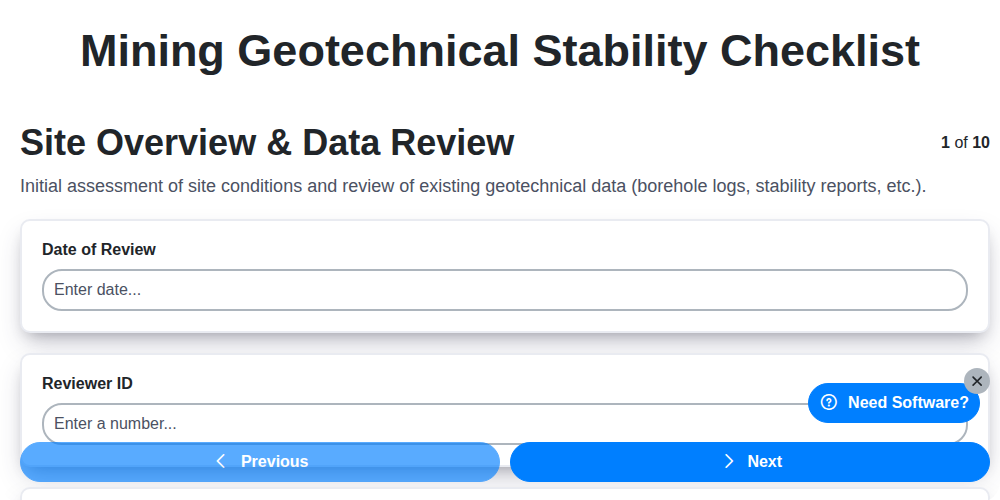
Ensuring Mine Safety: Your Geotechnical Stability Checklist Guide
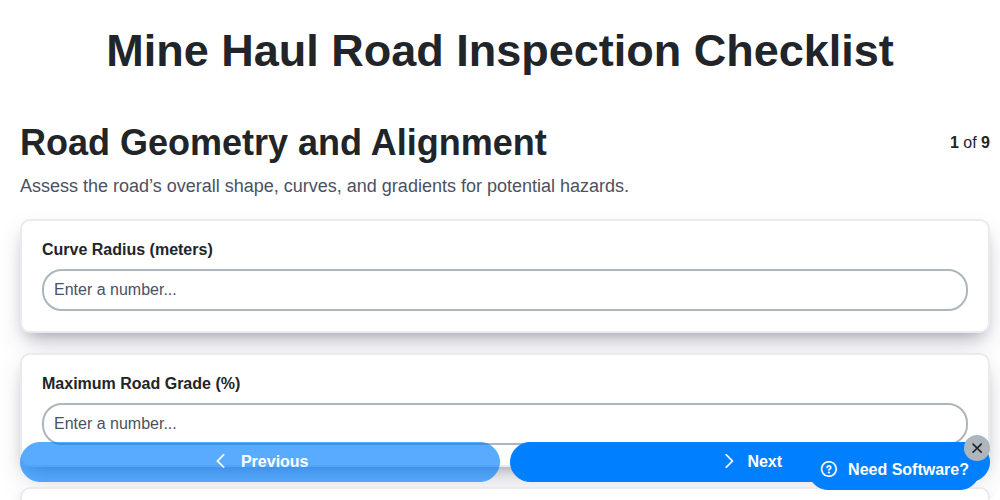
Ensuring Safety & Efficiency: Your Mine Haul Road Inspection Checklist Guide
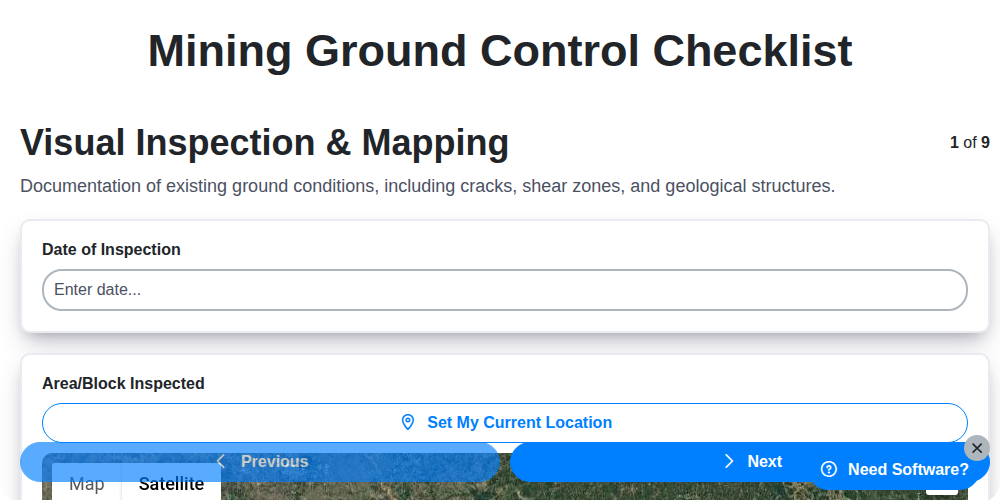
Mastering Mine Safety: Your Guide to the Ground Control Checklist
Mining Security Procedures Checklist: A Comprehensive Template for Safety
Ensuring Safety: Your Mining Incident Reporting Checklist Guide
Ensuring Safety Underground: Your Mine Traffic Management Checklist Guide
Ensuring Safety: Your Mining Explosives Handling Checklist Template
Ensuring Safety & Compliance: Your Mining Noise Monitoring Checklist Guide
Need help with
Mining Management?
Have a question? We're here to help. Please submit your inquiry, and we'll respond promptly.