Ensuring Safety Below: Your Underground Mine Ventilation Checklist Template
Published: 11/20/2025 Updated: 07/02/2026
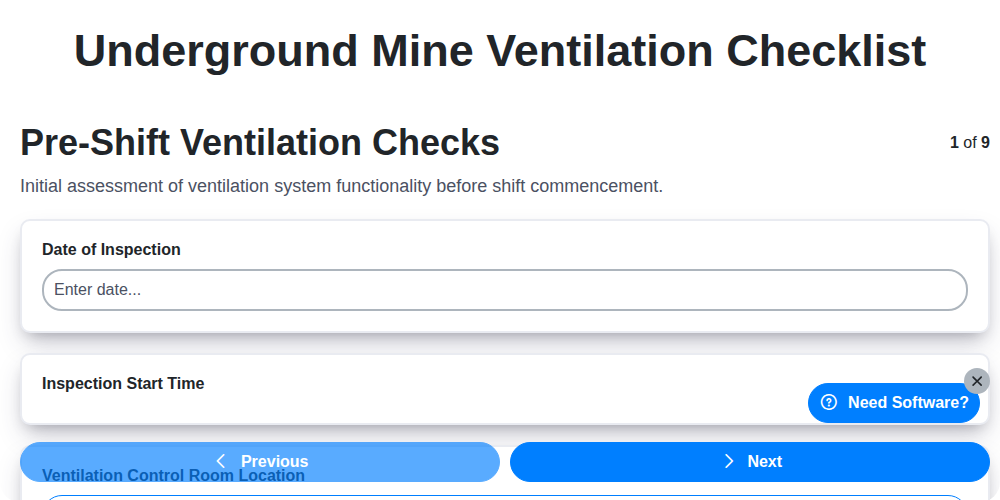
Table of Contents
- Introduction: Why Ventilation is Critical in Underground Mining
- Understanding Underground Mine Ventilation Systems
- Pre-Shift Ventilation Checks: Setting the Stage for Safety
- Airflow Monitoring: Keeping a Constant Watch
- Ventilation Controls Inspection: Functionality and Reliability
- Dilution Ventilation Assessment: Ensuring Sufficient Air
- Fire Suppression Ventilation Checks: Preparedness for the Worst
- Emergency Ventilation Procedures: Reacting Effectively
- Ventilation Obstruction Checks: Identifying and Addressing Hazards
- Gas Monitoring Equipment Calibration: Accuracy is Paramount
- Documentation & Record Keeping: A Vital Safety Net
- Training and Personnel Awareness: The Human Element
- Regular Review and Updates to the Ventilation Plan
- Resources & Links
TLDR: This checklist template is your vital safety guide for underground mines! It covers everything from pre-shift airflow checks and gas monitoring to emergency procedures and documentation, ensuring proper ventilation, reducing risks, and keeping your team safe. Download it, customize it, and use it every shift!
Introduction: Why Ventilation is Critical in Underground Mining
Underground mining presents unique and significant challenges, and among the most critical is ensuring adequate ventilation. Unlike surface operations, the enclosed environment of an underground mine requires a deliberate and robust system to provide fresh air, remove harmful gases and dust, and maintain a safe and breathable atmosphere for miners. Poor ventilation can lead to a host of serious issues, including the build-up of toxic gases like methane and carbon monoxide, increased dust levels leading to respiratory illnesses, and a heightened risk of fire and explosions. A comprehensive ventilation strategy isn't just a regulatory requirement; it's a fundamental pillar of miner safety and operational efficiency, directly impacting productivity and the overall health of the workforce. This checklist provides a framework for ensuring that ventilation systems are operating effectively and that potential hazards are proactively addressed.
Understanding Underground Mine Ventilation Systems
Underground mine ventilation is far more than just moving air; it's a complex, life-critical system designed to protect miners from hazardous conditions. It serves multiple vital roles: removing dust, fumes, and noxious gases; supplying breathable air; maintaining a stable temperature; and providing a pathway for escape in emergencies.
The system itself is a network of airways, fans (both main and auxiliary), pipelines, and control systems. Air is typically supplied from the surface and distributed throughout the mine via a carefully planned series of splits and returns. Ventilation design considers factors like mine layout, geological conditions, the types of minerals being extracted, and the potential for gas generation. Without a robust and properly maintained ventilation system, underground mining simply isn't possible - and certainly not safe. The checklist we're discussing (detailed later in this article) is a direct reflection of the complexity and importance of these systems, ensuring all aspects are regularly assessed and functioning correctly.
Pre-Shift Ventilation Checks: Setting the Stage for Safety
Before a single shift commences in an underground mine, a comprehensive set of pre-shift ventilation checks is absolutely critical. These checks aren't just about ticking boxes; they's the first line of defense against potentially hazardous conditions and establish the foundation for a safe working environment.
Here's what a robust pre-shift ventilation check should include:
- Main Fan Inspection: Verify the main ventilation fan is operating at the designated speed and RPM. Listen for unusual noises and visually inspect for any signs of mechanical stress or damage.
- Auxiliary Fan Verification: Similar to the main fan, confirm all auxiliary fans are functioning correctly and meeting performance specifications.
- Ventilation Circuit Checks: Walk the primary ventilation circuits, observing airflow indicators (like smoke tubes or anemometers) to ensure adequate airflow is reaching all working areas. Note any discrepancies.
- Stoppings and Seals: Inspect all stoppings and seals to confirm their integrity. Damage to these critical barriers can compromise the ventilation system. Look for cracks, gaps, or signs of settling.
- Airway Condition Assessment: Briefly assess the condition of airways - looking for loose rock, water ingress (which can impact airflow), and any signs of instability. Report any concerning observations.
- Communication & Handover: Ensure the ventilation team communicates effectively with the shift supervisor and other relevant personnel, highlighting any findings or concerns identified during the pre-shift checks. A clear handover is vital for continuity.
These initial checks set the stage for the rest of the shift, establishing a baseline for ongoing monitoring and providing early warning of potential ventilation problems.
Airflow Monitoring: Keeping a Constant Watch
Maintaining consistent airflow is paramount in underground mine safety. Airflow monitoring isn't just a periodic check; it's an ongoing process requiring vigilance and a multifaceted approach. This involves more than just reading a manometer.
We utilize a combination of techniques including:
- Regular Manometer Readings: Consistent measurement of air pressures at key locations (returns, splits, face) helps identify pressure drops indicating potential problems. Trends should be observed, not just single readings.
- Airflow Rate Measurements: Utilizing techniques like pitot tubes or anemometers to directly measure airflow volume allows for a more precise understanding of ventilation effectiveness.
- Smoke Tube/Wool Tracer Studies: These visual tracers are invaluable for identifying airflow patterns, stagnation areas, and unexpected airflow deviations. They reveal how air actually moves, often exposing issues manometers might miss.
- Computational Fluid Dynamics (CFD) Modeling: Increasingly, we're using CFD to simulate airflow patterns, predict ventilation effectiveness under different scenarios, and identify potential problem areas before they arise.
- Continuous Airflow Monitoring Systems: These automated systems provide real-time data and alerts, crucial for rapid response to airflow changes.
Any deviation from established airflow parameters must be immediately investigated and corrected. A sudden drop in airflow can signify a blockage, equipment malfunction, or a potential hazard. Consistent, proactive airflow monitoring is the cornerstone of a safe and productive underground mining operation.
Ventilation Controls Inspection: Functionality and Reliability
Maintaining the integrity of your ventilation controls is paramount to ensuring a safe working environment in an underground mine. This section focuses on the crucial inspection of these controls, moving beyond simple observation to verifying actual functionality and reliability.
What to Check:
- Control Panel Operation: Regularly test all ventilation control panels. This includes verifying the ability to activate and deactivate fans, adjust airflow rates, and switch between ventilation modes (e.g., normal, dilution, emergency). Document all test results, noting any anomalies or unexpected behavior.
- Fan Motor Performance: Inspect fan motor windings for signs of overheating or damage. Check motor bearings for excessive wear and listen for unusual noises. Vibration analysis can be a proactive method for identifying potential issues before they escalate.
- Damper Operation: Confirm that all dampers open and close smoothly and accurately respond to control signals. Manual testing should be coupled with electronic verification. Check for corrosion or physical obstructions hindering movement.
- Electrical System Integrity: Review all wiring, connections, and circuit breakers associated with the ventilation control system. Look for signs of damage, corrosion, or loose connections. Ensure proper grounding and insulation.
- Control System Programming: Occasionally, review the programming of automated ventilation control systems to verify accuracy and alignment with current mine conditions and operational procedures.
- Emergency Override Systems: Specifically test emergency ventilation override systems to confirm they function as intended, enabling rapid response to unexpected events. This testing should involve simulating a fault condition.
Frequency: Conduct detailed ventilation control inspections at least weekly, with more frequent checks performed during periods of increased mining activity or when modifications are made to the ventilation system.
Dilution Ventilation Assessment: Ensuring Sufficient Air
Dilution ventilation is a crucial safety measure in underground mines, particularly where flammable or toxic gases are present. It relies on introducing fresh air to dilute these contaminants to safe levels. A robust assessment of your dilution ventilation system is vital.
Here's what that assessment should involve:
- Gas Concentration Measurement: Regularly measure concentrations of gases like methane, carbon monoxide, and hydrogen sulfide at various locations, including working faces, return airways, and areas prone to gas buildup. Compare these measurements against established safety limits (e.g., MSHA permissible exposure limits).
- Airflow Volume Verification: Confirm that the airflow volume being delivered to the affected area is adequate to effectively dilute the contaminants. This involves using airflow meters and comparing actual airflow with design specifications. Consider seasonal variations (temperature and humidity) that can impact airflow.
- Source Identification: Pinpoint the sources of gas emissions. Knowing where the gases originate allows for targeted ventilation improvements - potentially relocating work areas or implementing gas control measures at the source.
- Dilution Factor Calculation: Calculate the dilution factor (ratio of fresh air volume to contaminated air volume) to ensure it consistently meets the required safety margin. A low dilution factor indicates insufficient ventilation.
- Ventilation Circuit Evaluation: Assess the entire ventilation circuit, identifying potential bottlenecks or areas of reduced airflow that could hinder dilution effectiveness.
- Regular Review: Dilution ventilation assessments shouldn't be a one-time event. They require regular review and adjustment based on changes in mining operations, gas emission patterns, or environmental conditions.
Fire Suppression Ventilation Checks: Preparedness for the Worst
A fire underground is a miner's worst nightmare. Rapid response and effective suppression are paramount to ensuring the safety of personnel and preventing catastrophic losses. A robust fire suppression ventilation system is a critical component of that response, and regular, thorough checks are non-negotiable.
This section of the ventilation checklist focuses specifically on verifying the readiness of your fire suppression ventilation system. Don't just assume it works; actively confirm its functionality. Here's what should be assessed:
- Fire Brattice Fans: Inspect for proper operation, lubrication, and secure mounting. Verify sufficient power supply and redundancy where applicable. Conduct functional tests - short bursts and sustained operation - to ensure they can deliver the required airflow volume.
- Sprinkler System Integration: Confirm the seamless integration between ventilation controls and the sprinkler system. Verify that activation of the sprinkler system triggers appropriate ventilation adjustments (e.g., increasing airflow, isolating affected areas).
- Blast Doors & Ventilation Isolation Devices: Test all blast doors and ventilation isolation devices designed to contain a fire. Ensure they operate smoothly, seal effectively, and are free from obstructions. Confirm that closure mechanisms are functioning correctly and are easily accessible in emergency situations.
- Emergency Ventilation Pathways: Verify that emergency ventilation pathways (e.g., split brattices, escapeways) are clear, unobstructed, and properly equipped with ventilation controls.
- Fire Damper Functionality: Test fire dampers to ensure they open and close properly, preventing the spread of smoke and fire.
- Smoke Detection System Integration: Validate the connection and function of smoke detection systems with ventilation controls to trigger appropriate ventilation responses.
Regular testing and preventative maintenance of these systems are essential to maintaining your mine's fire safety. A failure to conduct these checks can have devastating consequences.
Emergency Ventilation Procedures: Reacting Effectively
In the event of an emergency - a fire, gas release, or other hazardous situation - your ventilation system isn't just maintaining airflow; it's potentially a lifeline. Having well-defined and regularly practiced emergency ventilation procedures is paramount for ensuring miner safety and facilitating rapid response.
This section outlines the critical steps to take when emergency ventilation is required. These are not substitutes for comprehensive training and drills; they are reminders of the key actions to be taken.
Immediate Actions:
- Alert the Ventilation Team: Immediately notify the designated ventilation team and mine supervisor. Clear communication is vital.
- Activate Emergency Ventilation: Initiate pre-determined emergency ventilation plans. This may involve switching to auxiliary fans, reversing airflow, or isolating affected areas. Know which systems are triggered by which emergencies.
- Assess the Situation: Gather information about the nature and location of the emergency. This input drives ventilation adjustments.
- Control Affected Area: Isolate the area experiencing the emergency using brattice doors, stoppings, or other barriers. This prevents contaminant spread.
Ventilation Adjustments:
- Reverse Airflow (if applicable): In certain scenarios, reversing airflow can draw contaminants away from working faces or rescue teams. Strict protocols must be followed to ensure this doesn't create new hazards.
- Increase Ventilation Rate: Boosting airflow helps dilute contaminants and improve visibility.
- Implement Auxiliary Ventilation: Utilize backup ventilation systems to maintain airflow if primary systems fail.
- Maintain Positive Pressure: Keep air pressure positive in safe zones to prevent infiltration of contaminated air.
Communication & Coordination:
- Continuous Updates: The ventilation team must provide continuous updates on airflow status and ventilation adjustments to the mine supervisor and rescue teams.
- Rescue Team Coordination: Ventilation adjustments must be coordinated with rescue team operations to ensure their safety and effectiveness.
- Evacuation Support: Ventilation can be used to guide and assist with miner evacuation routes.
Post-Emergency Procedures:
- System Reset: Once the emergency is resolved, the ventilation system must be reset to normal operating conditions according to established procedures.
- Damage Assessment: Inspect ventilation equipment for damage and ensure it is fully functional.
- Debrief & Review: Conduct a thorough debrief to review emergency procedures and identify areas for improvement.
Crucially, this section serves as a reminder. Regular drills, ongoing training, and clear, concise emergency protocols are essential for ensuring a swift and effective response in any emergency situation.
Ventilation Obstruction Checks: Identifying and Addressing Hazards
Maintaining clear and unobstructed airways is absolutely critical in underground mining. Even minor obstructions can significantly impact ventilation effectiveness, leading to hazardous conditions like increased gas concentrations, reduced oxygen levels, and increased risk of fire. This section outlines essential checks to identify and address ventilation obstructions.
Regular Visual Inspections: Conduct daily visual inspections of all airways, focusing on areas prone to blockage. Look for:
- Material Accumulation: Check for accumulated rock, debris, fallen ground, and stored materials encroaching on the airway. Even seemingly small piles can restrict airflow.
- Equipment Placement: Ensure equipment (e.g., loaders, trucks, drill rigs) isn't blocking airways or ventilation openings. Establish clear zones and protocols for equipment movement.
- Support Structures: Inspect ground support systems (roof bolts, timbers, shotcrete) for damage or instability that could lead to collapses and obstructions.
- Pipeline & Cable Management: Verify that ventilation pipelines, hoses, and electrical cables are securely routed and not creating pinch points or restricting airflow.
Proactive Obstruction Removal: Immediately remove any obstructions identified during inspections. Implement a 'no tolerance' policy for improperly stored materials.
Airflow Indicators: Pay close attention to airflow indicators (e.g., smoke tubes, flags, anemometers) placed throughout the mine. Reduced or absent airflow signals a potential obstruction that requires immediate investigation.
Regular Clearance Procedures: Schedule regular, proactive clearance operations in areas known for accumulating debris or where ground conditions are unstable.
Communication & Reporting: Establish clear communication channels for reporting suspected or confirmed obstructions. All reported obstructions should be documented and tracked until resolved.
Remember: Prevention is key. Implementing robust ground control procedures and fostering a culture of vigilance significantly reduces the risk of ventilation obstructions.
Gas Monitoring Equipment Calibration: Accuracy is Paramount
In underground mining, the air isn't just air; it's a lifeline. Reliable gas monitoring is absolutely critical for the safety of every miner. Your gas detectors - from personal monitors to fixed point systems - are your first line of defense against hazardous atmospheres. But even the most sophisticated equipment is useless if it's not properly calibrated.
Calibration isn't just a routine task; it's a commitment to ensuring accuracy. Deviations, even slight ones, can lead to false readings - either underreporting dangerous gas concentrations or creating a false sense of security. Both scenarios pose serious risks.
This section outlines the vital aspects of gas monitoring equipment calibration. This includes:
- Frequency: Adhere strictly to manufacturer recommendations for calibration frequency. This is typically a combination of time-based (e.g., every 3 months) and usage-based (e.g., after a certain number of hours of operation).
- Calibration Gas Standards: Utilize certified calibration gases with traceable standards. Verify the gas cylinders' expiration dates and integrity.
- Procedure Adherence: Follow the manufacturer's precise calibration procedure every time. Deviations can invalidate the calibration.
- Record Keeping: Meticulously document each calibration event, including date, time, gas type, serial numbers, results, and the technician performing the calibration.
- Functionality Testing: Beyond just calibration, confirm full functionality through bump tests and span checks performed regularly.
- Training: Ensure all personnel responsible for calibration are adequately trained and competent.
Regular, accurate calibration isn't optional; it's a non-negotiable aspect of a robust underground mine ventilation system.
Documentation & Record Keeping: A Vital Safety Net
Consistent and thorough documentation is the bedrock of any robust mine ventilation program. It's not just about ticking boxes on a checklist; it's about creating a verifiable record of your ventilation system's performance, any issues encountered, and the corrective actions taken. This data is invaluable for identifying trends, anticipating potential problems, and demonstrating compliance with regulations.
What should be documented? Everything! This includes:
- Checklist Completion Records: Dates, times, signatures of personnel performing checks, and any deviations from expected results.
- Airflow Monitoring Data: Charts, graphs, and logs of airflow measurements at strategic locations. Note any fluctuations or anomalies.
- Ventilation Control Adjustments: Records of when and why ventilation controls were adjusted, who made the adjustment, and the resulting airflow changes.
- Gas Monitoring Results: Detailed logs of gas concentrations, including dates, times, locations, and readings.
- Calibration Records: Dates, results, and signatures for all gas monitoring and airflow measurement equipment calibrations.
- Incident Reports: Any instances of ventilation problems, unusual gas readings, or system malfunctions must be formally documented.
- Maintenance Logs: Records of all maintenance and repairs performed on ventilation equipment.
Beyond simple record-keeping, consider using this data for analysis. Are there recurring issues at specific locations? Are ventilation systems consistently underperforming? These insights can drive proactive maintenance and improve overall system efficiency. Securely store these records both digitally and in physical form, ensuring easy access for authorized personnel and regulatory inspections. Remember, a comprehensive and well-maintained documentation system is a vital safety net - protecting your workforce and ensuring the continuous, reliable operation of your underground mine.
Training and Personnel Awareness: The Human Element
Underground mine ventilation isn't just about the equipment; it's fundamentally about the people operating and understanding it. A perfectly engineered ventilation system is rendered ineffective if personnel aren't properly trained and aware of its crucial role in safety.
This section highlights why consistent, comprehensive training is paramount. It's not enough to simply show miners how to operate a ventilation fan; they need to understand why it's being operated and the potential consequences of failure. Key areas for training should include:
- Ventilation Principles: A basic understanding of airflow, dilution, and how ventilation systems work to remove harmful gases and dust.
- Checklist Familiarity: All personnel involved in ventilation checks should be thoroughly trained on the Underground Mine Ventilation Checklist itself - understanding each step, its purpose, and what actions to take based on the findings.
- Emergency Procedures: Regular drills and training on emergency ventilation procedures (e.g., split ventilation, refuge chamber operation) are vital. These shouldn't just be theoretical; they need to be practiced.
- Hazard Recognition: Employees must be able to identify potential ventilation obstructions, unusual odors, or changes in airflow that could indicate a problem.
- Communication: Clear and concise communication channels are essential. Miners must feel comfortable reporting concerns about ventilation issues without fear of reprisal.
Beyond initial training, ongoing refresher courses and toolbox talks are essential to reinforce these concepts and adapt to any changes in operating procedures or equipment. A culture of vigilance and proactive reporting, where every miner feels responsible for ventilation safety, is the ultimate safeguard.
Regular Review and Updates to the Ventilation Plan
A ventilation plan isn't a static document; it's a living, breathing guide to safety. Regular review and updates are absolutely crucial to maintaining effective underground mine ventilation. This isn't a set it and forget it scenario. Factors change - new development areas are opened, production methods evolve, geological conditions shift, and new technologies become available.
Here's why a consistent review schedule is essential:
- Reflect New Mine Layouts: As mining progresses, the layout changes. New airways, stopes, and workings impact airflow patterns and ventilation needs.
- Address Changing Production Methods: Different mining techniques (e.g., longwall, cut-and-fill) have unique ventilation requirements.
- Incorporate New Technologies: Advancements in ventilation equipment, monitoring systems, and control strategies should be assessed and integrated.
- Respond to Incident Investigations: Any incidents or near misses related to ventilation must trigger a thorough review and modification of the plan.
- Regulatory Compliance: Ventilation plans must align with current regulations and best practices, which are subject to change.
We recommend a formal review process at least annually, with more frequent reviews following significant changes to operations or following any ventilation-related incidents. This review should involve a multidisciplinary team including ventilation engineers, mine managers, and frontline workers.
Resources & Links
- Mine Safety and Health Administration (MSHA): The primary federal agency responsible for mine safety and health. Provides regulations, guidance, statistics, training materials, and technical assistance specifically addressing ventilation standards and best practices. A crucial resource for understanding legal requirements.
- Society for Mining, Metallurgy & Exploration (SME): A professional society offering technical publications, conferences, and training courses related to mining, including ventilation design and operation. Provides access to industry experts and research.
- CIM - Canadian Institute of Mining, Metallurgy and Petroleum: Similar to SME, CIM offers resources, publications, and events focused on mining, including ventilation principles and technologies. Offers a slightly different perspective and industry insights.
- International Organization for Standardization (ISO): While not solely focused on mining, ISO standards (e.g., those related to safety management systems like ISO 45001) can be applied to ensure comprehensive safety procedures, including ventilation management, are consistently implemented.
- Occupational Safety and Health Administration (OSHA): Although MSHA is the primary agency for mining, OSHA's general industry standards related to air quality, hazard communication, and confined space entry may be relevant to supporting ventilation safety practices.
- Thermo Fisher Scientific: A leading provider of gas detection equipment (portable and fixed) which would be essential for gas monitoring as discussed in the post. Their website offers product information, technical specifications, and potentially application notes.
- Honeywell: Another major supplier of gas detection and safety equipment, offering a wide range of solutions for underground mining environments. Their website provides product details and technical resources.
- FLIR (FLIR Systems): FLIR specializes in thermal imaging technology, which can be valuable for detecting airflow patterns and potential hot spots which impacts ventilation. Can assist in identifying ventilation obstructions or inefficiencies. Provides visualization tools beyond standard gas monitors.
- Mining Technology: Provides news, articles, and technical insights on mining operations globally, with coverage of ventilation technologies and best practices. Good for staying updated on industry trends.
- GlobalSpec: An engineering and industrial information resource. Provides specifications, product catalogs, and technical articles related to ventilation equipment and systems.
- Engineering Toolbox: Provides a broad range of engineering resources, including calculations, data, and formulas applicable to ventilation system design and analysis.
Frequently Asked Questions
What is underground mine ventilation and why is it important?
Underground mine ventilation refers to the process of supplying fresh air into a mine and removing stale air, gases, and dust. It's critical for ensuring worker safety by maintaining breathable air quality, controlling dust, mitigating explosive hazards, and managing temperature and humidity.
Who is this checklist template for?
This checklist template is designed for mine ventilation personnel, safety managers, engineers, and supervisors responsible for monitoring and maintaining adequate ventilation systems in underground mines. It's applicable to a range of mine types and sizes.
What types of hazards does proper ventilation address?
Proper ventilation addresses several hazards including: oxygen deficiency, accumulation of noxious gases (like methane, carbon monoxide, and hydrogen sulfide), dust explosions, heat stress, and dilution of contaminated air.
How often should I use this checklist?
The frequency of using this checklist depends on the mine's specific risk assessment, regulatory requirements, and operating conditions. However, regular checks - ideally daily, weekly, and monthly - are generally recommended.
Can I customize this checklist template?
Yes, absolutely. The template is designed to be customizable. You should adapt it to reflect your mine's unique layout, equipment, and specific ventilation system. Add, remove, or modify items as needed to ensure it comprehensively covers your operations.
What do the checklist categories cover?
The checklist categories typically include: airflow measurements, equipment inspections (fans, brattice, seals), monitoring of gas concentrations, dust control measures, visual inspections of ventilation pathways, and documentation of findings.
What is brattice and why is it important?
Brattice refers to temporary partitions or barriers used to direct airflow within a mine. They are vital for splitting airflow to specific areas, controlling ventilation patterns, and isolating potentially hazardous zones.
What should I do if the checklist reveals a deficiency or issue?
Any deficiencies or issues identified on the checklist should be immediately addressed according to your mine's procedures. Document the problem, implement corrective actions, and verify that the actions effectively resolve the issue. A formal reporting system should also be in place.
Where can I find relevant regulations and standards related to mine ventilation?
Relevant regulations and standards vary by jurisdiction. Consult your local mining authority, regulatory agencies (e.g., MSHA in the US), and industry best practices for specific requirements and guidelines.
What documentation is essential to keep with the checklist?
Essential documentation includes completed checklist forms, records of corrective actions taken, equipment maintenance logs, airflow measurement data, gas monitoring results, and any relevant training records for ventilation personnel.
Comments
There are no comments yet. Be the first to add one!
Mining Management Solution Demo
Maximize efficiency & safety in mining operations! ChecklistGuro streamlines task management, equipment tracking, and compliance reporting. Optimize workflows, reduce risk, & boost productivity. Manage it all with our Work OS.
Related Articles
Ensuring Mine Safety: Your Geotechnical Stability Checklist Guide
Ensuring Safety & Efficiency: Your Mine Haul Road Inspection Checklist Guide
Mastering Mine Safety: Your Guide to the Ground Control Checklist
Mining Security Procedures Checklist: A Comprehensive Template for Safety
Ensuring Safety: Your Mining Incident Reporting Checklist Guide
Ensuring Safety Underground: Your Mine Traffic Management Checklist Guide
Ensuring Safety: Your Mining Explosives Handling Checklist Template
Ensuring Safety & Compliance: Your Mining Noise Monitoring Checklist Guide
Need help with
Mining Management?
Have a question? We're here to help. Please submit your inquiry, and we'll respond promptly.