Navigating BOM Disposal: Your Essential Waste Management Checklist
Published: 12/10/2025 10:00 PM Updated: 12/14/2025 7:57 AM
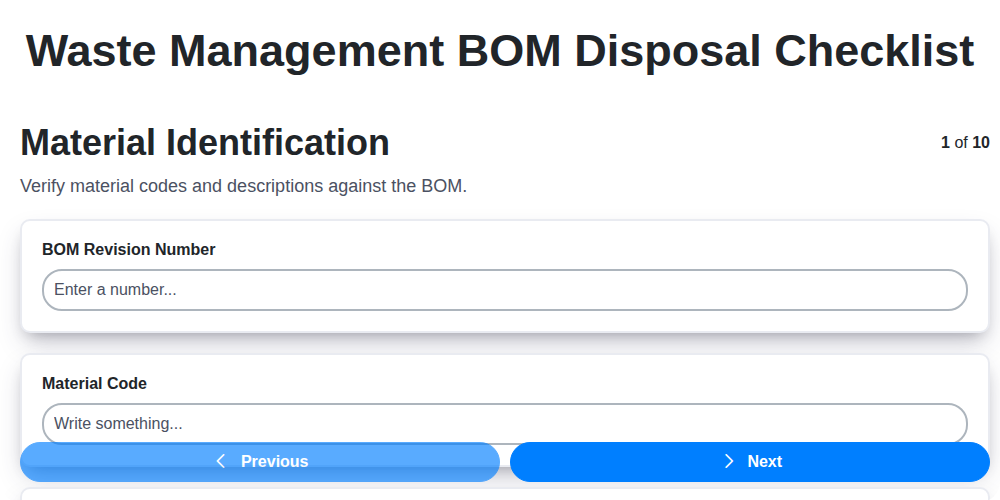
Table of Contents
- Introduction: Why BOM Disposal Requires a Checklist
- Understanding BOM Waste: Types and Challenges
- 1. Material Identification: Knowing What You're Dealing With
- 2. Hazard Assessment: Identifying Potential Risks
- 3. Regulatory Compliance: Staying on the Right Side of the Law
- 4. Disposal Method Selection: Choosing the Best Approach
- 5. Waste Segregation: Preventing Contamination and Ensuring Safety
- 6. Storage Conditions: Maintaining Integrity and Preventing Degradation
- 7. Documentation & Tracking: A Critical Component of Accountability
- 8. Permit & Manifest Verification: Ensuring Legal Disposal
- 9. Personnel Training: Equipping Your Team for Success
- 10. Audit Trail: Demonstrating Due Diligence
- 11. Common Pitfalls in BOM Disposal and How to Avoid Them
- 12. The Role of Technology in Streamlining BOM Waste Management
- 13. Best Practices for Continuous Improvement
- Conclusion: A Proactive Approach to BOM Disposal
- Resources & Links
TLDR: Disposing of Bill of Materials (BOM) waste can be tricky! This checklist simplifies it. It ensures you correctly identify materials, assess hazards, follow regulations, pick the right disposal method, and keep thorough records - avoiding costly fines and environmental issues. Download the template and make BOM disposal a breeze!
Introduction: Why BOM Disposal Requires a Checklist
Bill of Materials (BOM) disposal isn't just about getting rid of old components; it's a complex process laden with environmental and legal responsibilities. Improper disposal can lead to hefty fines, reputational damage, and, most importantly, harm to the environment. Many BOMs contain hazardous materials - from heavy metals like lead and mercury to flammable solvents - requiring careful handling. A haphazard approach simply won't cut it. This is where a comprehensive disposal checklist becomes indispensable. It transforms a potentially risky and confusing process into a systematic, controlled, and compliant operation, ensuring every step is accounted for and every regulation is met. This post will outline the critical elements of a robust BOM disposal checklist, equipping you with the knowledge to protect your company and the planet.
Understanding BOM Waste: Types and Challenges
Bill of Materials (BOM) waste is a growing concern for manufacturers, especially as complexity increases and supply chain disruptions become more frequent. It's more than just scrapped parts; it encompasses obsolete components, excess inventory, incorrect materials, and even errors in the BOM itself that lead to unusable stock.
The types of waste stemming from BOM discrepancies are varied. We see a lot of obsolescence waste, where parts become outdated before use, often due to rapid technological advancements or design changes. Then there's excess inventory waste, arising from inaccurate demand forecasting or over-ordering, leaving materials to expire or become obsolete. Incorrect material waste - using the wrong part due to BOM errors - results in unusable assemblies and scrapped components. Even seemingly minor discrepancies in the BOM can cascade into significant waste, leading to production delays and increased costs.
The challenges associated with BOM waste are substantial. Managing a complex BOM across multiple suppliers and production lines is difficult, requiring robust data management and communication. Reactive solutions often lead to rushed decisions and potentially non-compliant disposal methods. Furthermore, the costs extend beyond the immediate material value; consider the labor hours, engineering time, and potential environmental impact of improper disposal. Ultimately, effective BOM waste management requires a proactive, structured approach, like the detailed disposal checklist we'll discuss later.
1. Material Identification: Knowing What You're Dealing With
Accurate material identification is the bedrock of any successful waste management and BOM (Bill of Materials) disposal program. You can't safely and legally dispose of materials if you don't know exactly what they are. This goes far beyond just knowing the generic name; precision is key.
This stage isn't just about recognizing paint or metal scraps. It's about pinpointing the specific type: Is it lead-based paint? What's the alloy composition of the metal? What specific chemicals comprise the paint stripper? A misidentification can lead to incorrect handling, improper disposal, and potentially serious regulatory repercussions.
Here's what's involved in thorough material identification:
- Review Original Documentation: Start with the BOM, purchase orders, product specifications, and any accompanying material safety data sheets (MSDS/SDS). These are your primary sources of information.
- Physical Inspection: Carefully examine the material's appearance, color, consistency, and any visible markings.
- Laboratory Testing (if necessary): If identification is uncertain, or if the material's composition is crucial for disposal methods, laboratory analysis is essential. This is particularly important for complex mixtures or unidentified residues.
- Unique Identifiers: Assign unique identifiers to each material stream to ensure consistent tracking throughout the disposal process.
Proper material identification creates a foundation for informed decisions in all subsequent steps of the disposal checklist, mitigating risks and ensuring regulatory compliance.
2. Hazard Assessment: Identifying Potential Risks
Before any disposal method is selected, a thorough hazard assessment is absolutely critical. This isn't just about identifying what the waste is, but understanding how it could impact human health and the environment. This assessment should go beyond the SDS (Safety Data Sheet) and consider the specific condition of the waste - is it mixed with other materials? Is it contaminated? Has it degraded?
Here's what a robust hazard assessment includes:
- Physical Hazards: Evaluate potential for fire, explosion, reactivity (e.g., unstable compounds), and corrosiveness. Consider flammability, oxidization potential, and the potential for pressure buildup.
- Health Hazards: Determine potential for acute (immediate) and chronic (long-term) health effects from exposure. This includes toxicity, carcinogenicity, reproductive toxicity, and irritation.
- Environmental Hazards: Assess the potential for soil, water, and air contamination. Consider bioaccumulation and persistence in the environment.
- Waste Matrix Consideration: How does the waste interact with other substances it might be mixed with? Synergistic effects can dramatically increase hazard levels.
- Quantity and Concentration: The larger the quantity and higher the concentration of hazardous materials, the greater the potential risk.
This assessment informs the selection of appropriate Personal Protective Equipment (PPE) for personnel handling the waste and dictates the level of containment required during storage and disposal. Don't underestimate the importance of this step - a flawed hazard assessment can lead to serious consequences.
3. Regulatory Compliance: Staying on the Right Side of the Law
Navigating waste management regulations can feel like traversing a complex maze. Failure to comply isn't just a potential fine; it can lead to significant operational disruptions and reputational damage. This section underscores the critical importance of adhering to both federal and local laws when disposing of BOM (Bill of Materials) waste.
Key Regulations to Consider:
- Federal Regulations: In the US, the Resource Conservation and Recovery Act (RCRA) forms the foundation for hazardous waste management. Understand how your BOM materials are classified under RCRA - are they considered hazardous? This determination directly impacts disposal requirements. Other relevant federal regulations might include those from the EPA, DOT (for transportation), and OSHA (for worker safety).
- State and Local Regulations: Don't assume federal rules are the end of the story. State and local jurisdictions often have stricter or more specific requirements. These can cover permitted disposal facilities, reporting thresholds, and handling procedures. Research your state's environmental agency website and local ordinances.
- Industry-Specific Regulations: Certain industries (e.g., electronics, pharmaceuticals) often have additional regulations specific to the types of materials found in BOMs.
- Staying Updated: Regulations change. Subscribe to updates from relevant agencies and consult with environmental compliance professionals to ensure ongoing adherence.
Consequences of Non-Compliance: Fines, legal action, operational shutdowns, and damage to your company's reputation.
4. Disposal Method Selection: Choosing the Best Approach
Choosing the right disposal method isn't just about getting rid of waste; it's about responsible environmental stewardship and regulatory adherence. This decision hinges directly on the results of your Material Identification and Hazard Assessment. Options can range from recycling and energy recovery to specialized treatment facilities and, as a last resort, landfilling.
Here's a breakdown of factors to consider:
- Waste Characteristics: Is the waste hazardous? Is it combustible? Does it contain recoverable materials? The material's properties heavily influence appropriate disposal routes.
- Regulatory Constraints: Some disposal methods are prohibited or restricted based on local, state, and federal regulations. These restrictions often apply to specific hazardous waste categories.
- Cost-Effectiveness: While environmental responsibility is paramount, costs are a factor. Evaluate the financial implications of each potential disposal method, considering transportation, processing fees, and potential rebates for recyclables.
- Sustainability: Prioritize methods that minimize environmental impact. Recycling, composting, and energy recovery options should be explored before considering landfilling.
- Treatment Technology Availability: Not all regions have access to all treatment technologies. Consider the geographic limitations and availability of suitable facilities.
Consult with licensed waste disposal vendors and regulatory agencies to ensure the chosen method is compliant and environmentally sound. Detailed record-keeping of this selection process is critical for audit purposes.
5. Waste Segregation: Preventing Contamination and Ensuring Safety
Proper waste segregation is a cornerstone of responsible BOM (Bill of Materials) disposal. Failing to separate waste streams can lead to hazardous reactions, increased disposal costs, and serious environmental consequences. This step isn't just about putting things in the right bins; it's about understanding the chemical and physical compatibility of materials.
Here's what needs consideration:
- Categorize by Hazard Class: Begin by broadly categorizing waste based on its hazard class (e.g., corrosive, flammable, toxic). Refer to your Hazard Assessment (Step 2) for guidance.
- Incompatible Materials: Absolutely avoid mixing incompatible materials. For example, acids and bases should never be combined. Oxidizers and flammables are another dangerous combination. A simple table detailing common incompatibilities should be readily available to all personnel.
- Material-Specific Segregation: Go beyond hazard classes. Certain materials require specific segregation due to regulatory requirements or potential for contamination. This might include separating electronic waste (e-waste) containing heavy metals, or isolating batteries.
- Clear Labeling: Each waste container must be clearly and accurately labeled with its contents. Generic labels like Waste are unacceptable. Specific descriptions like Spent Solvent - Acetone are required.
- Employee Training: Regularly train employees on proper segregation techniques and the consequences of mixing incompatible materials. This should be reinforced with visual aids and refresher courses.
6. Storage Conditions: Maintaining Integrity and Preventing Degradation
Proper storage is a critical, often overlooked, step in BOM disposal. Incorrect conditions can degrade waste, increasing hazards and potentially leading to regulatory violations. This section outlines essential considerations for safe and compliant storage.
Temperature Control: Many BOMs are sensitive to temperature fluctuations. High temperatures can accelerate degradation and increase vapor pressure, while freezing can alter physical properties. Refer to the Material Safety Data Sheet (MSDS/SDS) for specific temperature requirements for each waste material. Consider temperature-controlled storage facilities for particularly sensitive wastes.
Ventilation: Adequate ventilation is vital to prevent the buildup of hazardous vapors. Storage areas should be well-ventilated, ideally with mechanical exhaust systems. Regularly monitor air quality, especially when storing volatile substances.
Containment: Secure containers are paramount. Ensure containers are compatible with the waste material (check the MSDS/SDS for compatibility charts). Regularly inspect containers for leaks, cracks, or corrosion. Secondary containment, such as drip trays or containment pallets, is mandatory to capture any potential spills.
Protection from Elements: Shield waste from direct sunlight, rain, and snow. UV radiation can degrade some BOMs, while moisture can promote corrosion and reactions. Covered storage areas or UV-resistant containers are often necessary.
Segregation: Keep incompatible wastes physically separated. Refer to your site's chemical compatibility chart to ensure wastes don't react if accidentally mixed. Clearly label all containers with their contents and hazard classifications.
Security: Storage areas must be secured to prevent unauthorized access and potential tampering. Limit access to trained personnel only.
Regular inspections of storage conditions are essential to ensure ongoing compliance and waste integrity.
7. Documentation & Tracking: A Critical Component of Accountability
Effective waste management isn't just about how you dispose of materials; it's about knowing what happened and being able to prove it. Documentation and tracking form the backbone of a compliant and responsible BOM disposal process. This isn't just about ticking boxes; it's about creating an auditable trail that demonstrates due diligence and minimizes liability.
What should be documented? Everything! This includes initial material identification, hazard assessments, the rationale behind disposal method selection, permit numbers, manifest details, waste quantities, storage dates, and even personnel involved in each stage.
Leverage a digital system whenever possible. Spreadsheets can work for smaller operations, but a dedicated waste management software offers significant advantages: automatic tracking, reporting capabilities, reduced risk of human error, and streamlined audits.
Consistent and meticulous record-keeping provides a clear picture of your waste disposal journey, facilitates continuous improvement, and ensures you can readily respond to regulatory inquiries or internal audits. Failure to adequately document your BOM disposal can lead to penalties, reputational damage, and even legal repercussions. Don't leave this crucial step to chance - prioritize robust documentation and tracking from the outset.
8. Permit & Manifest Verification: Ensuring Legal Disposal
Proper disposal of waste materials from a Bill of Materials (BOM) isn't just about environmental responsibility; it's a legal obligation. Permit and manifest verification is a critical step ensuring compliance and avoiding costly fines or legal repercussions.
This process validates that your chosen disposal method adheres to all applicable local, state, and federal regulations. It involves meticulously reviewing permits issued to the disposal facility to confirm they are authorized to handle the specific waste streams you're generating. Don't assume; always verify.
Key aspects of this verification include:
- Permit Validity: Ensure the facility's permit is current and hasn't expired.
- Waste Coverage: Confirm the permit explicitly allows for the disposal of the exact materials identified in your BOM waste streams. Similar isn't good enough.
- Manifest Accuracy: The waste manifest is a legal document. Ensure all information, including waste generator details, disposal facility details, waste descriptions, and quantities, matches precisely what's on your own records and the facility's permit. Discrepancies, even seemingly minor ones, can invalidate the manifest.
- Tracking Manifests: Implement a system to track manifests from generation to final disposal, ensuring their secure storage and availability for audits.
- Facility Qualification: Research the disposal facility's reputation and compliance history. While permits demonstrate a baseline, further investigation can provide additional peace of mind.
Neglecting this step can result in severe consequences, including penalties, legal action, and damage to your company's reputation. A thorough permit and manifest verification process is paramount to responsible and compliant BOM disposal.
9. Personnel Training: Equipping Your Team for Success
Proper waste management, especially concerning BOM (Bill of Materials) disposal, isn't just about following procedures; it's about fostering a culture of responsibility and safety. That's where comprehensive personnel training becomes absolutely crucial. This isn't a one-and-done deal; it's an ongoing process.
Your team - encompassing everyone from production staff to logistics personnel - needs to understand the potential hazards associated with the BOM waste, the correct disposal protocols, and the legal ramifications of non-compliance. Training should cover:
- Material Identification: How to accurately identify the components within the BOM and their associated risks.
- Hazard Recognition: Understanding the potential dangers (flammability, toxicity, reactivity, etc.) of different materials.
- Emergency Procedures: What to do in case of spills, leaks, or other incidents.
- Regulatory Requirements: A clear understanding of relevant environmental regulations and company policies.
- Proper PPE Usage: Correct selection and use of personal protective equipment.
- Waste Segregation Techniques: How to correctly separate different waste streams to prevent contamination.
Regular refresher courses and updates are vital, especially when new materials or regulations are introduced. Documenting all training sessions, including attendance and content covered, is a key element of demonstrating due diligence. A well-trained team is your best defense against costly mistakes and potential liabilities.
10. Audit Trail: Demonstrating Due Diligence
Maintaining a robust audit trail is the final, critical step in responsible BOM disposal. It's not just about ticking boxes; it's about demonstrating due diligence and providing a clear, verifiable record of every action taken throughout the entire process. This trail should encompass everything from the initial material identification to the final disposal confirmation.
What constitutes a good audit trail? It includes detailed records of:
- Date and Time Stamps: When each step was performed.
- Personnel Involved: Who was responsible for each task.
- Decision Log: Why specific choices were made (e.g., disposal method selection, segregation decisions).
- Supporting Documentation: Copies of permits, manifests, lab reports, and training records.
- Any Deviations: Records of any adjustments made to the standard process, with clear justifications.
A well-maintained audit trail isn't just for internal review; it's your defense in the event of an inquiry from regulatory bodies or environmental agencies. It shows that you're proactively managing your BOM disposal responsibly and in compliance with all applicable regulations. Consider implementing an electronic tracking system for ease of access and data integrity, and regularly review the audit trail to identify areas for improvement.
11. Common Pitfalls in BOM Disposal and How to Avoid Them
Proper BOM (Bill of Materials) disposal isn't just about getting rid of old components; it's about responsible environmental stewardship and legal compliance. Many organizations stumble along the way, leading to fines, environmental damage, and reputational harm. Here are some common pitfalls and how to navigate them:
1. Insufficient Material Identification: Assuming you know exactly what's in every BOM component is a recipe for disaster. Incorrect identification can lead to inappropriate disposal methods and potentially hazardous situations. Avoid it by: Implementing a robust material tracking system, utilizing component datasheets, and verifying materials with testing when in doubt.
2. Ignoring Hazardous Material Categories: Not all BOM components are created equal. Lead, mercury, cadmium, and other hazardous substances require specific handling. Avoid it by: Thoroughly reviewing datasheets and utilizing hazard assessment tools to correctly classify materials.
3. Non-Compliance with Evolving Regulations: Environmental regulations surrounding e-waste and hazardous material disposal are constantly changing. Avoid it by: Staying informed about current regulations at local, state, and federal levels. Subscribe to industry newsletters, attend webinars, and consult with environmental compliance experts.
4. Improper Waste Segregation: Mixing hazardous and non-hazardous waste contaminates the entire batch and significantly increases disposal costs and complexity. Avoid it by: Establishing clear segregation guidelines, providing color-coded bins, and training personnel on proper waste stream identification.
5. Lack of Adequate Storage Conditions: Improper storage can lead to degradation, leaks, or even fire hazards. Avoid it by: Maintaining secure, dry, and well-ventilated storage areas, ensuring appropriate containers are used, and implementing regular inspections.
6. Insufficient Personnel Training: Untrained personnel are more likely to make mistakes that lead to non-compliance and potential hazards. Avoid it by: Providing comprehensive training on waste identification, segregation, storage, and disposal procedures. Refresh training regularly.
7. Failure to Track Disposal Methods: Lack of clarity on how waste is disposed creates a gap in accountability and traceability. Avoid it by: Ensuring disposal partners are vetted and approved, documenting disposal methods used for each waste stream.
8. Missing Permit & Manifest Verification: These documents are crucial proof of compliance and chain of custody. Failing to verify them can lead to legal repercussions. Avoid it by: Implementing a system to review and retain permits and manifests, and verifying their validity.
9. Poor Audit Trail: A weak or missing audit trail makes it difficult to trace waste handling processes and identify areas for improvement. Avoid it by: Maintaining detailed records of all BOM disposal activities, including personnel involved, dates, quantities, and disposal methods.
10. Reliance on Untested Disposal Vendors: Choosing a vendor solely based on price can be a costly mistake. Avoid it by: Thoroughly vetting potential vendors, checking their licenses and certifications, and verifying their environmental performance.
11. Neglecting Continuous Improvement: BOM disposal isn't a "set it and forget it" process. Avoid it by: Periodically reviewing your procedures, seeking feedback from personnel, and implementing improvements based on audit findings and regulatory changes.
12. The Role of Technology in Streamlining BOM Waste Management
Managing Bills of Materials (BOM) waste - the remnants of obsolete components, scrap materials, and end-of-life products - can be a significant challenge for manufacturers. Traditionally, this process has relied heavily on manual checklists and paper trails, often leading to inefficiencies, errors, and compliance risks. However, technology is rapidly changing the landscape of BOM waste management, offering powerful tools to streamline operations and improve outcomes.
Cloud-based Waste Management Information Systems (WMIS) are emerging as key solutions. These platforms centralize all aspects of the BOM disposal checklist, automating tasks and providing real-time visibility. Imagine instantly accessing material identification data, hazard assessments, and regulatory compliance information directly within the system. Automated workflows can guide personnel through the disposal process, ensuring each step is correctly executed and documented.
Furthermore, IoT (Internet of Things) devices like smart sensors can monitor storage conditions (temperature, humidity) and alert personnel to potential issues before they escalate. Predictive analytics can even forecast waste generation based on production schedules, allowing for proactive resource allocation. Barcode and QR code scanning integrated with the WMIS drastically reduces manual data entry errors during material identification, waste segregation, and permit verification. Finally, digital audit trails provide irrefutable records of all waste disposal activities, simplifying audits and demonstrating compliance. Embracing these technologies isn't just about efficiency; it's about building a sustainable and compliant future for your manufacturing processes.
13. Best Practices for Continuous Improvement
Waste management, especially the proper disposal of Bills of Materials (BOMs) - often containing sensitive data and potentially hazardous materials - isn't a set it and forget it process. To ensure ongoing compliance, efficiency, and environmental responsibility, a commitment to continuous improvement is crucial. Here's how to keep your BOM disposal checklist working at its best:
- Regular Review & Updates: Your checklist should be a living document. Review it at least annually, or more frequently if regulations change, processes evolve, or new materials are introduced.
- Feedback Loops: Implement a system for personnel involved in BOM disposal to provide feedback on the checklist. Are there steps that are unclear, cumbersome, or missing? Their insights are invaluable.
- Data Analysis: Leverage data collected during the Documentation & Tracking phase. Analyze disposal volumes, common hazard types, and frequency of corrective actions. This helps identify trends and areas for optimization.
- Technology Integration: Explore digital solutions. Automated checklists, barcode scanning for material identification, and electronic manifests can significantly reduce errors and improve tracking accuracy.
- Benchmarking: Compare your BOM disposal practices with industry best practices and competitors. Identify areas where you can learn and improve.
- Waste Reduction Focus: Prioritize strategies to minimize BOM waste generation in the first place. This could involve design changes, better inventory management, or more efficient parts usage.
- Training Refresher Courses: Don't assume personnel retain all their training. Offer periodic refresher courses, especially focusing on updates to regulations or disposal methods.
- Process Mapping: Visually map the entire BOM disposal process to identify bottlenecks and areas where simplification can occur.
- Root Cause Analysis: When incidents or non-compliances occur, conduct thorough root cause analysis to prevent recurrence. Don't just address the symptom - fix the underlying problem.
- Innovation Encouragement: Foster a culture of innovation where employees feel empowered to suggest improvements to the BOM disposal process.
Conclusion: A Proactive Approach to BOM Disposal
Successfully managing Bill of Materials (BOM) disposal isn't just about ticking boxes; it's about embracing a proactive and responsible approach. This checklist - encompassing material identification, hazard assessment, regulatory compliance, and meticulous documentation - provides a framework for minimizing environmental impact, safeguarding employee health, and avoiding costly legal ramifications.
By consistently implementing these steps, organizations move beyond mere compliance and foster a culture of sustainability. Regularly reviewing and updating this checklist to reflect changing regulations and best practices is crucial for maintaining a robust and effective waste management program. Ultimately, a diligent BOM disposal process isn't a burden, but an investment in a healthier planet and a stronger, more reputable business.
Resources & Links
- United States Environmental Protection Agency (EPA): The EPA provides comprehensive information on waste management regulations, guidelines, and best practices. A core resource for understanding legal requirements for hazardous and non-hazardous waste disposal, including BOM waste.
- Occupational Safety and Health Administration (OSHA): OSHA focuses on workplace safety. Essential for understanding safe handling procedures, personnel training requirements, and hazard communication standards related to BOM waste handling.
- Washington State Department of Ecology: While a state-specific resource, this exemplifies the type of agency that provides detailed guidance on hazardous waste management, permitting, and disposal requirements. Adapt to your relevant state or country's environmental agency.
- Resource Conservation and Recovery Act (RCRA): The RCRA is the primary federal law governing the disposal of solid and hazardous waste. Provides regulations and information about permitting, waste identification, and disposal standards.
- International Organization for Standardization (ISO): ISO standards, particularly those related to environmental management systems (e.g., ISO 14001), can provide a framework for a structured and documented BOM disposal process.
- American National Standards Institute (ANSI): ANSI develops voluntary consensus standards. While not always directly about waste disposal, ANSI standards related to safety, handling of materials, and labeling may be relevant.
- Global Reporting Initiative (GRI): For companies focusing on sustainability reporting, GRI standards provide frameworks for disclosing environmental impacts, including waste management practices. Helps demonstrate commitment to responsible BOM disposal.
- Waste Management, Inc.: A leading waste management company. Provides expertise and services related to waste disposal, including hazardous waste management, and can offer insight into best practices and disposal options.
- Veolia: Another global waste and water management leader. Offers a wide range of environmental services including waste disposal and recycling options, and can provide technical guidance on BOM waste handling.
- CDW: While primarily an IT solutions provider, CDW's focus on secure data destruction and responsible electronics recycling highlights the types of specialized services that can be applied to BOM material disposal - often overlapping with component recycling.
- Terra Universal: Specializes in equipment for hazardous material handling, including fume hoods and glove boxes. Important for safely handling BOM waste, particularly during identification and assessment.
- Envirosoft: Offers environmental management software solutions that can help track waste, manage permits, and ensure regulatory compliance - a digital tool to streamline BOM disposal processes.
- Intelex: Another provider of Environmental, Health, and Safety (EHS) software. Offers similar functionality to Envirosoft for tracking waste and complying with regulations.
Frequently Asked Questions
What does BOM stand for in the context of this article?
BOM stands for Bill of Materials. It's a comprehensive list of raw materials, components, assemblies, and quantities needed to manufacture a product.
Why is BOM disposal a specific concern?
BOMs often contain a mix of materials, including hazardous waste, obsolete components, or materials nearing expiration. Improper disposal can lead to environmental damage, regulatory violations, and financial penalties.
What types of waste are commonly found in BOMs?
Common waste includes electronic components (e-waste), chemicals (solvents, adhesives), plastics, metals, batteries, and packaging materials. Some components may contain hazardous substances like lead or mercury.
What are the key steps outlined in the waste management checklist?
The checklist covers identification of materials, categorization by waste type, determining proper disposal methods (recycling, incineration, landfill), documenting disposal processes, and ensuring regulatory compliance.
How do I identify hazardous materials within my BOM?
Refer to Material Safety Data Sheets (MSDS) or Safety Data Sheets (SDS) for each component. Check product labels and component documentation for warnings about hazardous materials. Consult with a hazardous waste specialist if unsure.
What is e-waste, and how should it be handled?
E-waste refers to discarded electronic components. It requires specialized recycling to recover valuable materials and prevent environmental contamination. Do not dispose of e-waste in regular trash.
What are the regulatory considerations for BOM disposal?
Regulations vary by location, but often include requirements for proper labeling, storage, transportation, and disposal of hazardous waste. Ensure compliance with local, state, and federal laws (e.g., RCRA in the US).
How can I minimize BOM waste generation in the first place?
Strategies include better inventory management, designing for disassembly and recyclability, utilizing reusable packaging, and choosing components with longer lifespans.
Who should be responsible for BOM disposal within my organization?
Responsibility should be clearly assigned, often to a sustainability officer, environmental manager, or designated procurement/operations team, supported by training and expertise.
Where can I find more information and resources for BOM disposal?
Consult your local environmental agencies, industry associations (e.g., ISRI for scrap recycling), hazardous waste management companies, and the EPA (in the US) for further guidance.
Found this Article helpful?
Comments
There are no comments yet. Be the first to add one!
BOM - Bill of Materials Management Solution Demo
Struggling with inaccurate BOMs & costly errors? ChecklistGuro provides a centralized BOM Management solution, connecting your design, engineering, & manufacturing teams for improved collaboration and control. Simplify operations & boost efficiency.
Related Articles
The Ultimate Logistics BOM Packaging Checklist: Ensuring Safe & Efficient Shipments
Mastering Leather Manufacturing: Your Tannery BOM & Compliance Checklist
Mastering Your BOM: A Comprehensive Checklist Template for Success
Ensuring Success: Your Oil & Gas BOM Component Approval Checklist Guide
Navigating Medical Device BOM Regulatory Compliance: Your Essential Checklist
The Ultimate Retail BOM Product Definition Checklist: A Step-by-Step Guide
Ensuring Quality: Your Rubber Manufacturing Polymer BOM Checklist Guide
Decoding Origins: Your Construction Materials BOM Origin Checklist Guide
We can do it Together
Need help with
Bill of Materials (BOM) Management?
Have a question? We're here to help. Please submit your inquiry, and we'll respond promptly.