Mastering Chemical Safety: Your Complete Hazard Communication Checklist
Published: 12/10/2025 10:00 PM Updated: 12/14/2025 7:57 AM
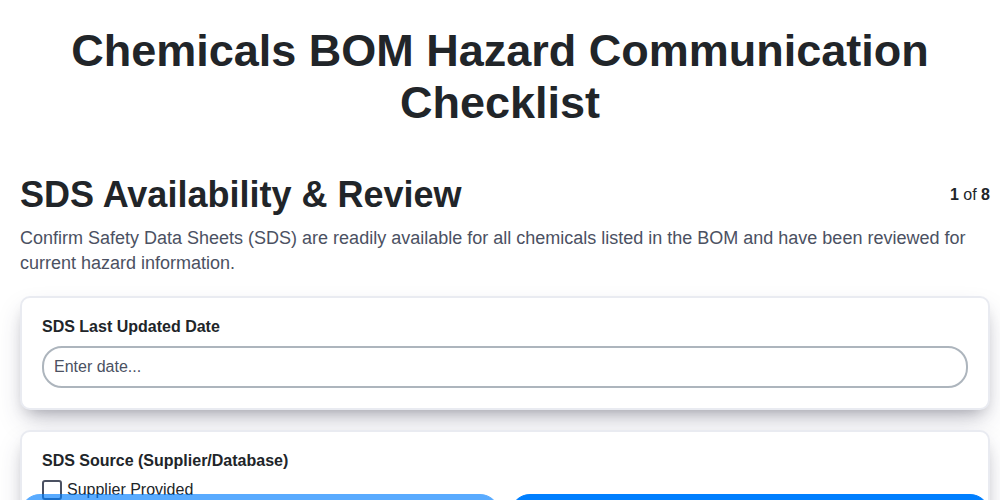
Table of Contents
- Introduction: Why a Chemical Safety Checklist is Essential
- 1. SDS Availability & Review: Your Foundation for Safety
- 2. Hazard Identification: Knowing What You're Dealing With
- 3. Labeling Compliance: Clear Communication is Key
- 4. Risk Assessment & Control Measures: Minimizing Potential Harm
- 5. Employee Training: Empowering Your Team
- 6. Emergency Procedures: Preparedness for the Unexpected
- 7. Regulatory Compliance: Staying on the Right Side of the Law
- 8. BOM (Bill of Materials) Updates & Review: Keeping Track of Your Chemicals
- 9. Understanding SDS Sections: A Quick Guide
- 10. Common Hazard Communication Challenges & Solutions
- 11. Best Practices for Chemical Storage
- 12. Maintaining Your Checklist: Regular Audits & Updates
- Conclusion: Prioritizing Chemical Safety for a Secure Workplace
- Resources & Links
TLDR: Ensure your workplace is safe and compliant with a simple checklist! This guide walks you through essential steps - from SDS access and labeling to training and emergency plans - to minimize chemical hazards and avoid costly penalties. Download the checklist template and get your chemical safety program on track!
Introduction: Why a Chemical Safety Checklist is Essential
Working with chemicals is an unavoidable reality in many industries, from manufacturing and healthcare to research and education. But this reality comes with inherent risks - risks that demand proactive and diligent management. A comprehensive chemical safety checklist isn't just a nice to have; it's a critical tool for protecting your employees, your environment, and your business.
Without a structured approach to chemical safety, you risk accidents, injuries, regulatory fines, and reputational damage. A well-designed checklist provides a systematic method for ensuring compliance with regulations like OSHA's Hazard Communication Standard (HazCom), providing a clear roadmap for identifying, assessing, and controlling chemical hazards. This post will walk you through the essential elements of such a checklist, empowering you to create a safer and more compliant workplace.
1. SDS Availability & Review: Your Foundation for Safety
Safety Data Sheets (SDS), formerly known as Material Safety Data Sheets (MSDS), are arguably the most critical resource for managing chemical hazards in your workplace. Their availability and regular review aren't just a nice-to-have - they are fundamental to a robust chemical safety program.
Availability is Key: Every employee who works with or may be exposed to chemicals must have easy access to the SDS for those chemicals. This means more than just having them stored in a locked cabinet! Consider digital accessibility - a centralized, searchable online database is often the most efficient solution. Physical copies, securely posted in relevant work areas, remain a good backup, especially for those with limited computer access.
Regular Review is Essential: SDSs aren't static documents. Manufacturers frequently update them with new information on hazards, safe handling practices, or regulatory changes. At minimum, review your SDSs annually. However, immediately review any SDS whenever you are notified of an update by the supplier. A simple log detailing review dates helps maintain compliance and ensures everyone is working with the most current information. Don't just file them away - ensure the updates are communicated and understood by employees!
2. Hazard Identification: Knowing What You're Dealing With
Understanding the specific chemicals present in your workplace is the foundation of any robust safety program. Hazard identification goes beyond simply knowing what chemicals you have; it's about understanding their properties and the potential dangers they pose.
This process starts with a thorough review of Safety Data Sheets (SDS) - a crucial step already covered. However, it doesn't end there. You need to actively analyze the information provided, looking for key details like:
- Hazard Classifications: Pay close attention to the hazard classifications listed on the SDS (e.g., flammable, corrosive, toxic). These provide a standardized understanding of the chemical's inherent dangers.
- Physical Hazards: Consider flammability, explosivity, reactivity, and potential for corrosion. What are the potential ignition sources? Could the chemical react violently with other substances?
- Health Hazards: Evaluate acute and chronic health effects, including potential routes of exposure (inhalation, skin contact, ingestion). Are there any carcinogenic, mutagenic, or reproductive hazards?
- Environmental Hazards: Understand potential impacts on the environment should a release occur.
Don't just skim the SDS. Discuss the information with your team, especially those who handle the chemicals directly. Encourage them to share their observations and concerns. Document all identified hazards and potential risks associated with each chemical, creating a clear understanding of the dangers present in your workplace. This documented understanding will form the basis for effective risk assessment and control measures.
3. Labeling Compliance: Clear Communication is Key
Proper labeling is the first line of defense in hazard communication. It's not just about slapping a sticker on a container; it's about providing essential information at a glance. Here's what robust labeling compliance entails:
- GHS Alignment: Ensure all labels adhere to the Globally Harmonized System (GHS) standards. This includes the correct pictograms, signal words (Danger or Warning), hazard statements, and precautionary statements.
- Container Integrity: Labels must remain affixed to the container and be legible throughout the chemical's lifespan. Damaged or missing labels should be replaced immediately.
- Secondary Containers: When chemicals are transferred to smaller, secondary containers, those containers also require proper labeling, mirroring the information found on the original container's label. Don't assume employees know what's in unmarked containers.
- Language Considerations: In workplaces with multilingual employees, labels should be available in the languages understood by those working with the chemicals.
- Consistency: Maintain label consistency across all chemicals within your facility. This reduces confusion and reinforces hazard recognition.
- Regular Inspections: Conduct routine inspections of chemical storage areas to verify label integrity and compliance. Document these inspections.
4. Risk Assessment & Control Measures: Minimizing Potential Harm
Once hazard identification is complete, the real work of minimizing risk begins. A thorough risk assessment is crucial, moving beyond simply identifying hazards to evaluating the likelihood and severity of potential harm. This isn't just a box-ticking exercise; it's about prioritizing actions based on the potential impact.
How to Conduct a Robust Risk Assessment:
- Define the Scope: Clearly outline the processes, tasks, and chemicals involved in the assessment.
- Estimate Likelihood: How likely is exposure to the chemical or hazard? Consider factors like frequency of use, engineering controls in place, and work practices.
- Evaluate Severity: What are the potential consequences if exposure occurs? This could range from minor irritation to serious health effects or environmental damage.
- Risk Prioritization: Combine likelihood and severity to determine the risk level (e.g., low, medium, high). A risk matrix is a helpful tool for visualizing this.
Implementing Control Measures:
Based on the risk assessment, implement control measures in a prioritized manner, following the hierarchy of controls:
- Elimination: Can the chemical or process be removed entirely? This is the most effective control.
- Substitution: Can a less hazardous chemical be used instead?
- Engineering Controls: Implement physical barriers, ventilation systems, or automated processes to minimize exposure.
- Administrative Controls: Establish safe work procedures, limit exposure times, and provide clear instructions.
- Personal Protective Equipment (PPE): PPE should be the last line of defense and used in conjunction with other controls. Ensure proper selection, fit, training, and maintenance of PPE.
Documentation is Key: All risk assessments, control measures implemented, and any changes made must be meticulously documented. Regular review and updates to the risk assessment are essential to ensure continued effectiveness.
5. Employee Training: Empowering Your Team
Effective hazard communication isn't just about paperwork and compliance - it's about ensuring your employees understand the risks they face and know how to protect themselves. Comprehensive employee training is the cornerstone of a robust chemical safety program.
This training shouldn't be a one-time event. It needs to be ongoing and adaptable. Here's what should be covered:
- Understanding SDSs: Employees must know how to access, read, and interpret Safety Data Sheets (SDS). This includes understanding the different sections, recognizing hazard warnings, and knowing where to find critical information about chemical properties and safety precautions.
- Chemical Hazard Recognition: Training should focus on identifying chemical hazards present in the workplace, including understanding hazard symbols and signal words.
- Safe Handling Procedures: Clearly outline proper techniques for handling chemicals, including pouring, mixing, and storing. Emphasize the use of appropriate Personal Protective Equipment (PPE).
- Labeling Interpretation: Reinforce the importance of reading and understanding chemical container labels.
- Emergency Response: Review emergency procedures, including spill response, first aid, and evacuation protocols.
- Refresher Training: Regular refresher training (at least annually) is vital to reinforce knowledge and address any changes in chemicals or processes.
Document all training activities, including dates, attendees, and topics covered. This documentation serves as proof of compliance and demonstrates your commitment to employee safety. Remember, a well-trained workforce is your best defense against chemical-related incidents.
6. Emergency Procedures: Preparedness for the Unexpected
Chemical spills, leaks, fires, or accidental exposures - they're scenarios no one wants to think about, but every workplace handling chemicals must be prepared for. A robust emergency procedures section within your Hazard Communication checklist isn't just about ticking a box; it's about safeguarding your employees and minimizing potential damage.
This section should detail clear, concise steps to take in various emergency situations. Consider these key components:
- Spill Response: Outline the steps for containing, cleaning up, and disposing of chemical spills, including necessary PPE and reporting protocols. Ensure spill kits are readily accessible, properly stocked, and employees know how to use them.
- Exposure Response: Detail the immediate actions to take if an employee experiences chemical exposure (inhalation, skin contact, ingestion, eye contact). Include information on first aid, medical attention, and SDS consultation.
- Fire Procedures: Ensure familiarity with fire alarm procedures, evacuation routes, and the use of fire extinguishers (if applicable and employees are trained). Clearly identify who is responsible for coordinating evacuation.
- Communication Protocol: Establish a clear chain of command and communication methods for alerting personnel, emergency services, and relevant authorities. Include contact information for key personnel.
- Post-Incident Review: Implement a process for investigating incidents, identifying root causes, and implementing corrective actions to prevent recurrence. This often involves reviewing the initial risk assessment and control measures.
Regular drills and refresher training on these emergency procedures are crucial to ensure everyone knows what to do when an emergency arises. Don't just write the procedures - practice them.
7. Regulatory Compliance: Staying on the Right Side of the Law
Navigating the maze of chemical safety regulations can feel overwhelming, but it's absolutely critical. Non-compliance isn't just a potential fine; it can have serious consequences for employee health and safety, environmental impact, and your company's reputation.
Several key regulations often dictate how you manage chemicals. In the US, OSHA's Hazard Communication Standard (HazCom, 29 CFR 1910.1200) is the cornerstone, requiring clear communication of chemical hazards. Globally, the Globally Harmonized System of Classification and Labeling of Chemicals (GHS) aims to standardize hazard communication. Other regulations like the Emergency Planning and Community Right-to-Know Act (EPCRA) and state-specific requirements might also apply depending on your location and the chemicals you handle.
Your checklist ensures ongoing compliance by prompting you to:
- Review Federal & State Regulations: Regularly consult the latest versions of applicable regulations. Don't rely on outdated information.
- Maintain Records: Accurate and readily accessible records of training, SDS availability, incident reports, and inspections are essential for demonstrating compliance.
- Stay Updated: Regulations are frequently updated. Subscribe to industry alerts and participate in relevant training to keep your processes aligned.
- Document Changes: When regulatory updates occur, document how your processes are modified to meet the new requirements.
Failing to stay abreast of these regulations can lead to hefty penalties, legal action, and, most importantly, put your employees at risk. Your Hazard Communication Checklist serves as a proactive measure to ensure you're consistently meeting these obligations.
8. BOM (Bill of Materials) Updates & Review: Keeping Track of Your Chemicals
Your Bill of Materials (BOM) isn't a static document; it's a living record that needs regular attention to remain accurate and effective for chemical safety. Neglecting BOM updates can lead to serious compliance issues, inaccurate hazard communication, and ultimately, increased risk.
Here's why and how to keep your chemical BOM current:
- New Chemicals & Revisions: New chemicals are constantly being introduced, and existing ones frequently undergo formulation changes. Each addition or alteration requires an immediate update to the BOM, ensuring your safety data sheets (SDS) and hazard communication strategies reflect the latest information.
- Supplier Changes: Changes in suppliers can impact the exact composition or even the labeling of a chemical. Confirm that new suppliers provide accurate SDS and that the BOM reflects these details.
- Regular Review Schedule: Implement a schedule (e.g., quarterly, semi-annually, annually) for reviewing your BOM. This isn't just about adding new chemicals; it's about verifying existing information.
- Version Control: Employ a version control system for your BOM. This helps track changes, identify when updates were made, and allows you to revert to previous versions if necessary.
- Integration with Inventory: Ideally, your BOM should be linked to your chemical inventory system. This provides a holistic view of your chemical usage and allows for automated updates when inventory levels change.
- Documentation is Key: Thoroughly document all updates to the BOM, including the date, reason for the change, and who made the modification.
Maintaining an accurate and updated BOM demonstrates a commitment to safety and regulatory compliance, protecting your employees and your organization.
9. Understanding SDS Sections: A Quick Guide
Understanding Safety Data Sheets (SDS) can feel overwhelming, but knowing the basics of each section is crucial for workplace safety. Here's a quick guide to help navigate those sections:
- Section 1: Identification: This section details the chemical's identity, including its name, synonyms, and recommended uses. It also includes contact information for the manufacturer or supplier.
- Section 2: Hazard(s) Identification: This is critical. It outlines the hazards associated with the chemical, including potential health effects (acute and chronic) and environmental concerns. Look for hazard classifications (e.g., flammable, corrosive, toxic) and signal words (Danger, Warning).
- Section 3: Composition/Information on Ingredients: This section lists the chemical ingredients and their concentrations. It's important for understanding potential synergistic effects when chemicals are mixed.
- Section 4: First-Aid Measures: Provides instructions on what to do if someone is exposed to the chemical.
- Section 5: Fire-Fighting Measures: Details suitable extinguishing techniques and special hazards arising from the chemical during a fire.
- Section 6: Accidental Release Measures: Provides guidance on steps to take in case of a spill or leak, including personal protective equipment (PPE) and containment methods.
- Section 7: Handling and Storage: Provides recommendations for safe handling practices and proper storage conditions.
- Section 8: Exposure Controls/Personal Protection: Specifies exposure limits (if applicable) and recommends appropriate PPE (e.g., gloves, respirators, eye protection).
- Section 9: Physical and Chemical Properties: Lists important physical and chemical characteristics, such as boiling point, flammability, and vapor pressure.
- Section 10: Stability and Reactivity: Describes conditions to avoid (e.g., heat, incompatible materials) and potential hazardous reactions.
- Section 11: Toxicological Information: Provides detailed information on potential health effects, including routes of exposure and symptoms.
- Section 12: Ecological Information: Addresses the chemical's potential environmental impact.
- Section 13: Disposal Considerations: Provides guidance on proper disposal methods.
- Section 14: Transport Information: Specifies requirements for safe transportation.
- Section 15: Regulatory Information: Lists relevant regulatory requirements.
- Section 16: Other Information: Includes any additional information, such as revision dates and disclaimers.
10. Common Hazard Communication Challenges & Solutions
Keeping a robust Hazard Communication (HazCom) program in place isn't always straightforward. Here are some common hurdles organizations face and practical solutions to overcome them:
1. SDS Management Chaos: Challenge: SDSs scattered across shared drives, outdated versions, difficulty finding the right information quickly. Solution: Implement a centralized, digital SDS management system. These systems often include automated updates, search capabilities, and version control. Consider integration with your BOM (Bill of Materials) for seamless linking.
2. Lack of Employee Understanding: Challenge: Employees simply don't get the information contained in SDSs or labels. Solution: Move beyond just distributing SDSs. Develop engaging training programs that explain hazard information in a clear, relatable way, focusing on practical application within the workplace. Regular refreshers are key.
3. Labeling Confusion: Challenge: Misinterpreted or missing labels on containers, or labels that don't align with the current SDS. Solution: Ensure all containers are clearly and accurately labeled before they're used. Regularly check labels against SDSs and update as needed. Implement a process to handle unlabeled or damaged containers immediately.
4. Keeping the BOM Updated: Challenge: The BOM changes frequently, but the HazCom program doesn't reflect those changes. Solution: Establish a direct link between the BOM and your HazCom system. Whenever chemicals are added, removed, or their hazard profile changes, both the BOM and the SDS/labeling information must be updated simultaneously.
5. Limited Resources & Time: Challenge: Hazard Communication can feel like a huge time sink for already stretched teams. Solution: Prioritize critical chemicals and processes first. Leverage technology like automated SDS management and employee training modules to streamline tasks.
6. New Employees & Turnover: Challenge: Ongoing training is needed to onboard new employees and retrain existing ones, especially with high turnover. Solution: Integrate HazCom training into the onboarding process and make it readily accessible to all employees through online modules or readily available hard copies.
7. Language Barriers: Challenge: Workers may not understand hazard warnings due to language differences. Solution: Provide SDSs and training materials in languages spoken by your workforce. Use pictograms and visual aids to reinforce understanding.
8. Misinterpreting Risk Assessments: Challenge: Risk assessments are conducted, but the resulting control measures aren't consistently implemented. Solution: Ensure that risk assessments are reviewed by multiple stakeholders (safety personnel, supervisors, employees) and clearly outline specific control measures with assigned responsibilities.
9. Regulatory Changes: Challenge: Keeping up with constantly evolving regulations (OSHA, EPA, etc.) can be overwhelming. Solution: Subscribe to regulatory updates from reputable sources. Consider using a HazCom consultant or software that flags changes and recommends actions.
10. Difficulty Tracking Training Records: Challenge: Proving compliance with employee training requirements during an inspection is difficult due to scattered records. Solution: Implement a centralized system for tracking employee training, including dates, topics covered, and assessment results. This is easily managed within a digital SDS management system.
11. Best Practices for Chemical Storage
Proper chemical storage isn't just about tidiness; it's a critical element of safety and compliance. Here's what you need to prioritize:
- Segregation is Key: Incompatible chemicals should never be stored together. Consult your SDS (Safety Data Sheet) for specific incompatibility warnings. Common separations include acids and bases, oxidizers and flammables, and water-reactive chemicals. Use designated storage areas with physical barriers where necessary.
- Ventilation Matters: Ensure adequate ventilation in chemical storage areas to prevent the build-up of hazardous vapors. Consider mechanical ventilation if natural airflow is insufficient.
- Temperature and Humidity Control: Store chemicals within their recommended temperature and humidity ranges, as specified in the SDS. Extreme conditions can accelerate degradation or increase reactivity.
- Proper Containment: Use appropriate containers designed for the specific chemicals being stored. Ensure containers are tightly sealed to prevent leaks and spills. Consider secondary containment (e.g., trays, tubs) to catch drips and spills.
- Labeling and Signage: Clearly label all containers with the chemical name and any hazard warnings. Use standard hazard symbols. Post warning signs indicating the presence of hazardous materials.
- Security and Access Control: Restrict access to chemical storage areas to authorized personnel only. This minimizes the risk of accidental misuse or theft.
- Regular Inspections: Conduct frequent inspections to identify and correct any potential hazards, such as leaking containers or improper storage practices. Document these inspections.
- Inventory Management: Maintain an accurate inventory of all chemicals, including quantities, locations, and expiration dates. Regularly review and remove expired chemicals.
- Spill Control Equipment: Keep spill control materials (e.g., absorbent pads, neutralizers) readily available in the storage area and ensure personnel are trained on their proper use.
- Fire Safety: Consider fire suppression systems appropriate for the chemicals being stored. Ensure fire exits are clear and accessible.
- Floor Protection: Protect the floor from chemical spills and damage. Consider using chemical-resistant flooring or coatings.
12. Maintaining Your Checklist: Regular Audits & Updates
Creating a comprehensive Chemical BOM Hazard Communication Checklist is just the first step. To ensure its ongoing effectiveness and relevance, a robust system of regular audits and updates is crucial. Think of it as preventative maintenance for safety.
Why Audits Matter:
- Identify Gaps: Audits reveal discrepancies between what's documented on your checklist and the actual practices on the shop floor. Are SDSs truly accessible? Are labels still accurate?
- Verify Effectiveness: Do your control measures actually mitigate the identified risks? An audit provides a reality check.
- Demonstrate Compliance: Regular audits offer tangible proof of your commitment to safety and compliance, invaluable during inspections.
How to Update Your Checklist:
- Annual Review: At a minimum, conduct a full checklist review annually.
- Triggered Updates: Revise the checklist whenever:
- New Chemicals are Introduced: Immediately update the BOM and associated hazard communication information.
- SDS Changes: Stay abreast of SDS updates from suppliers and reflect those changes in your records.
- Regulatory Changes: Legislation and regulations evolve. Proactively monitor for changes and adjust your checklist accordingly.
- Process Modifications: Changes in processes or equipment can affect chemical hazards; update accordingly.
- Incident Investigations: If an incident occurs, examine the relevant checklist items to identify potential improvements.
By integrating these audit and update practices, you transform your checklist from a static document into a dynamic tool that actively promotes chemical safety within your organization.
Conclusion: Prioritizing Chemical Safety for a Secure Workplace
Ultimately, consistently utilizing a comprehensive Chemical BOM Hazard Communication Checklist - encompassing SDS availability, hazard identification, labeling, risk assessment, training, emergency procedures, regulatory compliance, and BOM updates - isn't just about ticking boxes; it's about fostering a culture of safety within your organization. It demonstrates a commitment to protecting your employees, minimizing environmental impact, and ensuring legal compliance. Regularly reviewing and updating your checklist, alongside ongoing employee engagement, will keep your safety protocols robust and relevant. Remember, a proactive approach to chemical safety isn't a burden, but an investment in a secure, productive, and responsible workplace.
Resources & Links
- Occupational Safety and Health Administration (OSHA): The primary source for US regulations and guidance on hazard communication (HazCom), including the Hazard Communication Standard (HCS). Find compliance information, training materials, and enforcement data.
- Environmental Protection Agency (EPA): The EPA's website provides information on chemical regulations and environmental protection, relevant to chemical safety and disposal. Look for resources on risk management and pollution prevention.
- National Institute of Standards and Technology (NIST): While not exclusively HazCom focused, NIST offers resources and standards relevant to chemical handling and safety, including laboratory safety best practices.
- American Chemistry Council (ACC): The ACC provides resources and guidance for the chemical industry, including information on safe chemical management and product stewardship.
- American National Standards Institute (ANSI): ANSI develops voluntary consensus standards that often relate to chemical safety practices and equipment. Check for standards relevant to your industry.
- National Institute for Occupational Safety and Health (NIOSH): NIOSH conducts research and provides guidance on workplace safety and health, including chemical hazards and control measures. Useful for understanding potential health risks.
- The Naked Scientists: A good resource to understand more about chemistry and the properties of the chemicals
- SafetyCulture: Provides a variety of safety checklists, templates, and information on hazard communication. Can be used for generating your own check list.
- EHS Consultants Inc.: Offers consulting services and resources related to environmental, health, and safety (EHS) compliance, including HazCom. Provides detailed explanations on various topics.
- Cority: Provides EHS software solutions, and their website offers useful information and resources regarding chemical safety and regulatory compliance. Includes whitepapers and case studies.
- Verisk: Provides data and analytics to support risk management and safety. They offer tools and information that can help in chemical hazard assessments and risk mitigation.
- Global GMP: Focused on GMP (Good Manufacturing Practice) and regulatory compliance in various industries. They may have articles or resources related to chemical handling and safety within manufacturing environments.
- Underwriters Laboratories (UL): UL provides testing, inspection, certification and advisory services. They offer valuable information on product safety and chemical storage, particularly for flammable or hazardous materials.
Frequently Asked Questions
What is Hazard Communication (HazCom)?
Hazard Communication (HazCom), also known as Right-to-Know, is a program designed to ensure employees have the information they need to work safely with hazardous chemicals. It's based on OSHA's Hazard Communication Standard (29 CFR 1910.1200).
Why is a Hazard Communication Checklist important?
A checklist helps ensure compliance with OSHA regulations, minimizes workplace accidents and injuries, promotes a culture of safety, and provides a consistent and auditable process for managing chemical hazards.
Who needs to comply with the Hazard Communication Standard?
Most employers who use, store, or produce hazardous chemicals in the workplace are required to comply. This includes a wide range of industries and businesses, not just chemical manufacturing.
What are the key components of a Hazard Communication Checklist?
A comprehensive checklist typically includes sections covering: Chemical Inventory, Safety Data Sheets (SDS) Management, Container Labeling, Employee Training, and Hazard Communication Program Updates. It might also cover secondary container management and emergency response procedures.
What is an SDS (Safety Data Sheet), and why are they crucial?
An SDS provides detailed information about a chemical's properties, hazards, safe handling procedures, and emergency measures. They are essential for understanding and mitigating risks associated with chemical usage.
How often should Safety Data Sheets (SDS) be updated?
SDS should be updated whenever a manufacturer revises them. Employers should have a system to track SDS updates and ensure employees have access to the most current versions. A regular review (at least annually) is recommended.
What information should be included on a chemical container label?
Labels must include the chemical identity, hazard warnings (pictograms, signal words, hazard statements), and the name and address of the manufacturer, importer, or other responsible party.
What types of employee training is required under HazCom?
Training must cover topics like: Hazard Communication Standard requirements, SDS understanding, label recognition, safe handling procedures, and emergency response procedures. Training must be provided initially, and periodically thereafter (e.g., annually).
What is a Chemical Inventory and why is it important?
A Chemical Inventory is a comprehensive list of all hazardous chemicals present in the workplace. It's important for tracking chemical usage, ensuring SDS availability, and identifying potential hazards.
How often should my Hazard Communication program be reviewed and updated?
It's best practice to review and update your program at least annually, or whenever new chemicals are introduced, regulations change, or incidents occur. This ensures the program remains effective and compliant.
Where can I find more information about the Hazard Communication Standard (HazCom)?
You can find detailed information about the Hazard Communication Standard on the OSHA website (www.osha.gov) and in OSHA publications related to hazard communication.
Found this Article helpful?
Comments
There are no comments yet. Be the first to add one!
BOM - Bill of Materials Management Solution Demo
Struggling with inaccurate BOMs & costly errors? ChecklistGuro provides a centralized BOM Management solution, connecting your design, engineering, & manufacturing teams for improved collaboration and control. Simplify operations & boost efficiency.
Related Articles
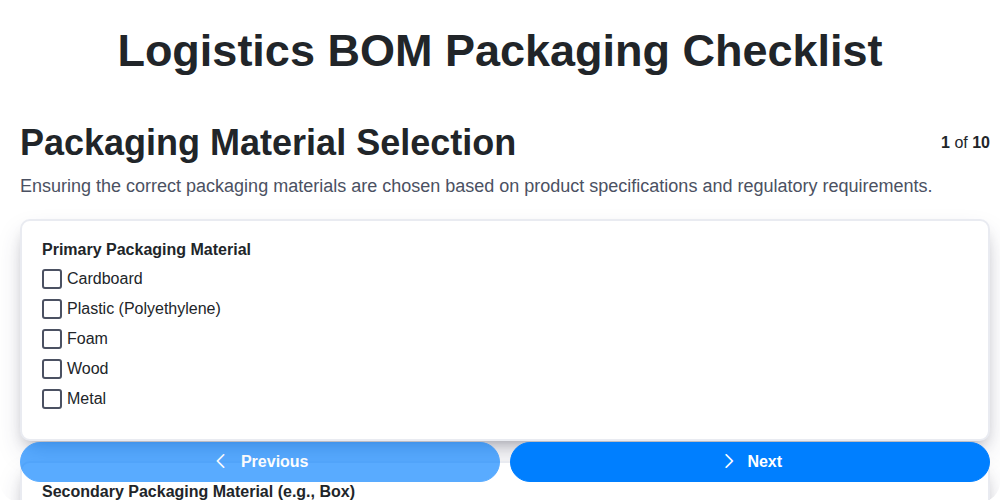
The Ultimate Logistics BOM Packaging Checklist: Ensuring Safe & Efficient Shipments
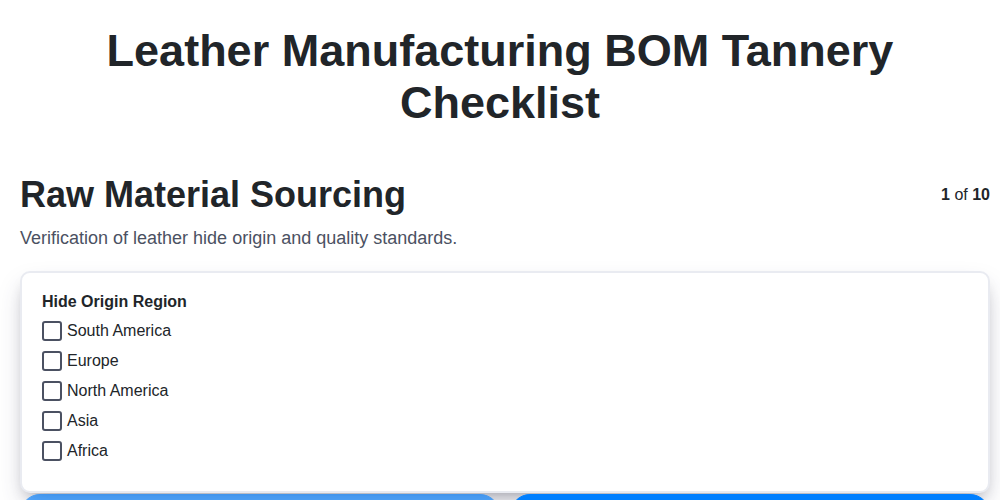
Mastering Leather Manufacturing: Your Tannery BOM & Compliance Checklist
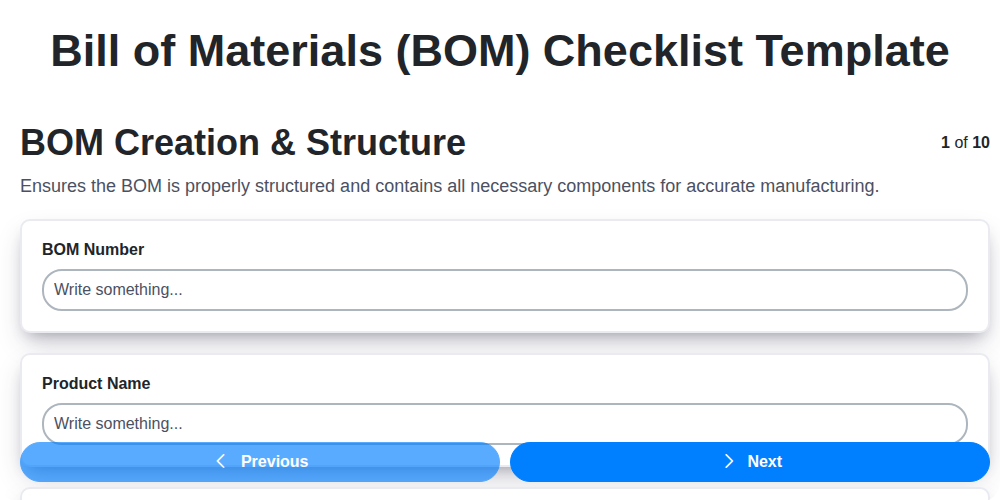
Mastering Your BOM: A Comprehensive Checklist Template for Success
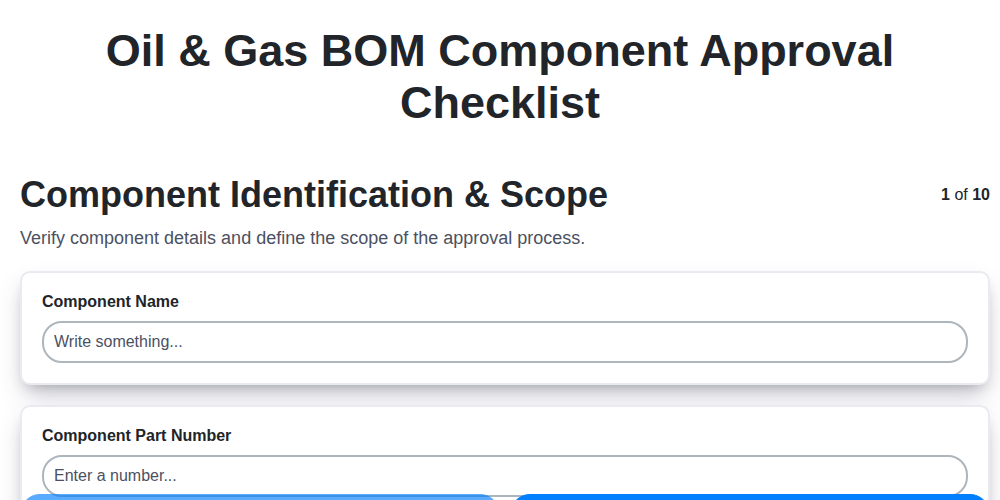
Ensuring Success: Your Oil & Gas BOM Component Approval Checklist Guide
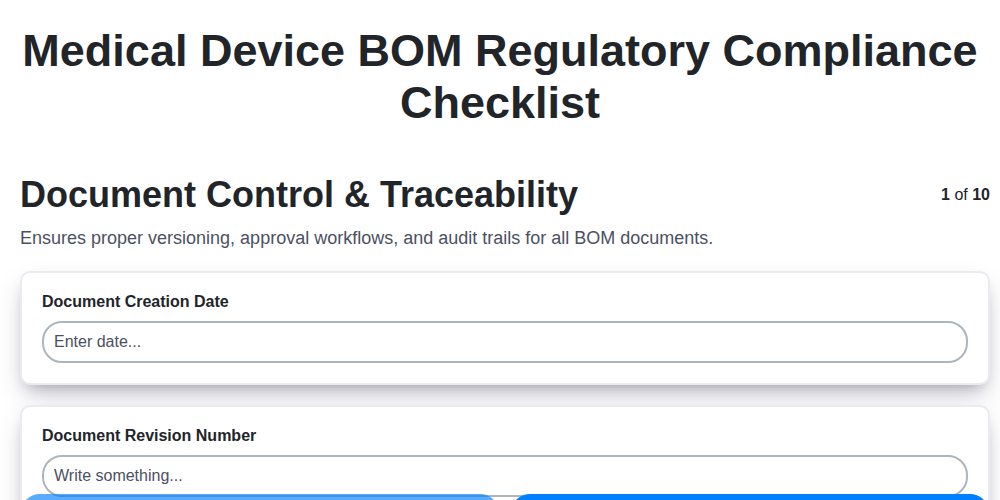
Navigating Medical Device BOM Regulatory Compliance: Your Essential Checklist
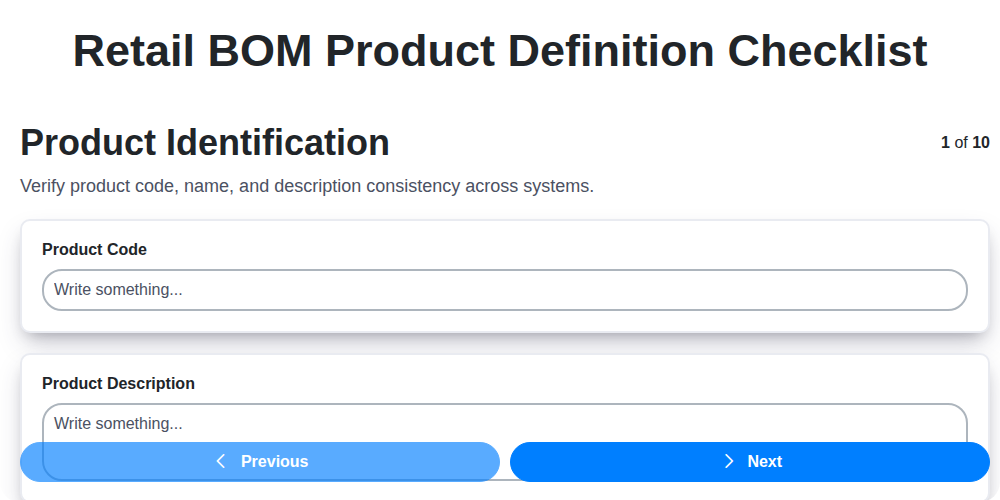
The Ultimate Retail BOM Product Definition Checklist: A Step-by-Step Guide
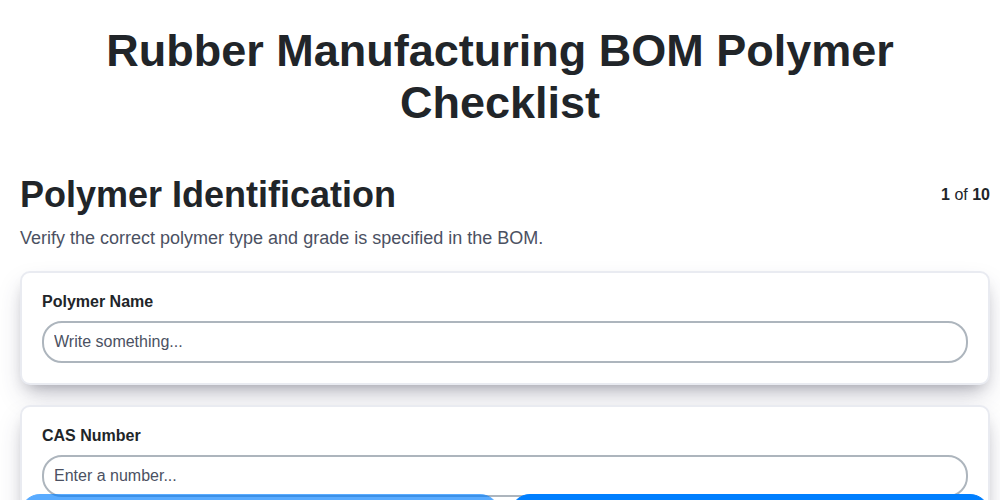
Ensuring Quality: Your Rubber Manufacturing Polymer BOM Checklist Guide
Decoding Origins: Your Construction Materials BOM Origin Checklist Guide
We can do it Together
Need help with
Bill of Materials (BOM) Management?
Have a question? We're here to help. Please submit your inquiry, and we'll respond promptly.